
Before Memmo my notes were scattered across PDFs. Now a workspace pulls everything into one place — I see exactly what's still left to study.
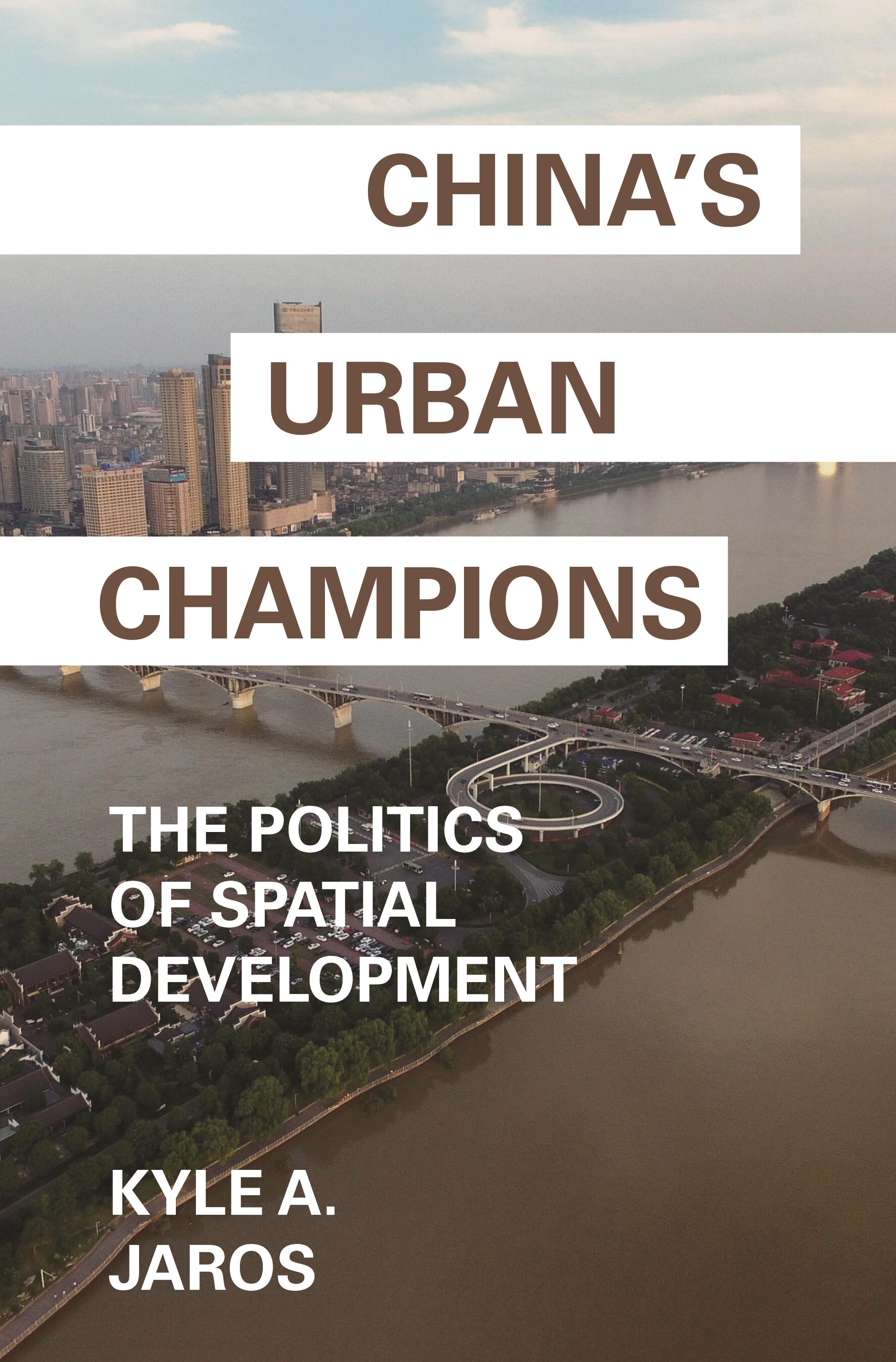
An exploration of how key provinces in China shape urban and regional development
The rise of major metropolises across China since the 1990s has been a double-edged sword: although big cities function as economic powerhouses, concentrated urban growth can worsen regional inequalities, governance challenges, and social tensions. Wary of these dangers, China’s national leaders have tried to forestall top-heavy urbanization. However, urban and regional development policies at the subnational level have not always followed suit. China’s Urban Champions explores the development paths of different provinces and asks why policymakers in many cases favor big cities in a way that reinforces spatial inequalities rather than reducing them.
Kyle Jaros combines in-depth case studies of Hunan, Jiangxi, Shaanxi, and Jiangsu provinces with quantitative analysis to shed light on the political drivers of uneven development. Drawing on numerous Chinese-language written sources, including government documents and media reports, as well as a wealth of field interviews with officials, policy experts, urban planners, academics, and businesspeople, Jaros shows how provincial development strategies are shaped by both the horizontal relations of competition among different provinces and the vertical relations among different tiers of government. Metropolitan-oriented development strategies advance when lagging economic performance leads provincial leaders to fixate on boosting regional competitiveness, and when provincial governments have the political strength to impose their policy priorities over the objections of other actors.
Rethinking the politics of spatial policy in an era of booming growth, China’s Urban Champions highlights the key role of provincial units in determining the nation’s metropolitan and regional development trajectory.
Before Memmo my notes were scattered across PDFs. Now a workspace pulls everything into one place — I see exactly what's still left to study.
Memmo's summaries are gold before exams. I don't have to re-read 800 pages two weeks before — just the important parts.
The AI chat has saved me the night before an exam more than once. I just keep asking until I get it — no waiting on a study group to reply.
The quizzes hit exactly what I need to know. Memmo tracks what I get stuck on — so I only practice what's worth it.
Flashcards with spaced repetition are magic. Memmo knows when I'm about to forget something and brings it back.
The AI podcasts are my favorite. I listen on my way to school and get a recap without sitting at a computer.

Handbok i kvalitativa metoder
281 kr

Hållbar utveckling: en introduktion för ingenjörer och andra problemlösare
334 kr

Brymans Samhällsvetenskapliga metoder
390 kr

Projektledning
491 kr

Den orättvisa hälsan: om socioekonomiska skillnader i hälsa och livslängd
326 kr

Vetenskapsteori för nybörjare
196 kr

Organizational Leadership
429 kr

På väg mot läraryrket
172 kr

Det sociala livet i skolan: Socialpsykologiska perspektiv
253 kr

Betygsättningens didaktik
151 kr

Personality
402 kr

Studying Leadership
404 kr

Managing Innovation
477 kr

Introduktion till samhällsvetenskaplig metod
347 kr

The Psychology of Sex and Gender
698 kr

Evidens och kunskap för socialt arbete
207 kr

Introduction to Leadership
605 kr