
Before Memmo my notes were scattered across PDFs. Now a workspace pulls everything into one place — I see exactly what's still left to study.
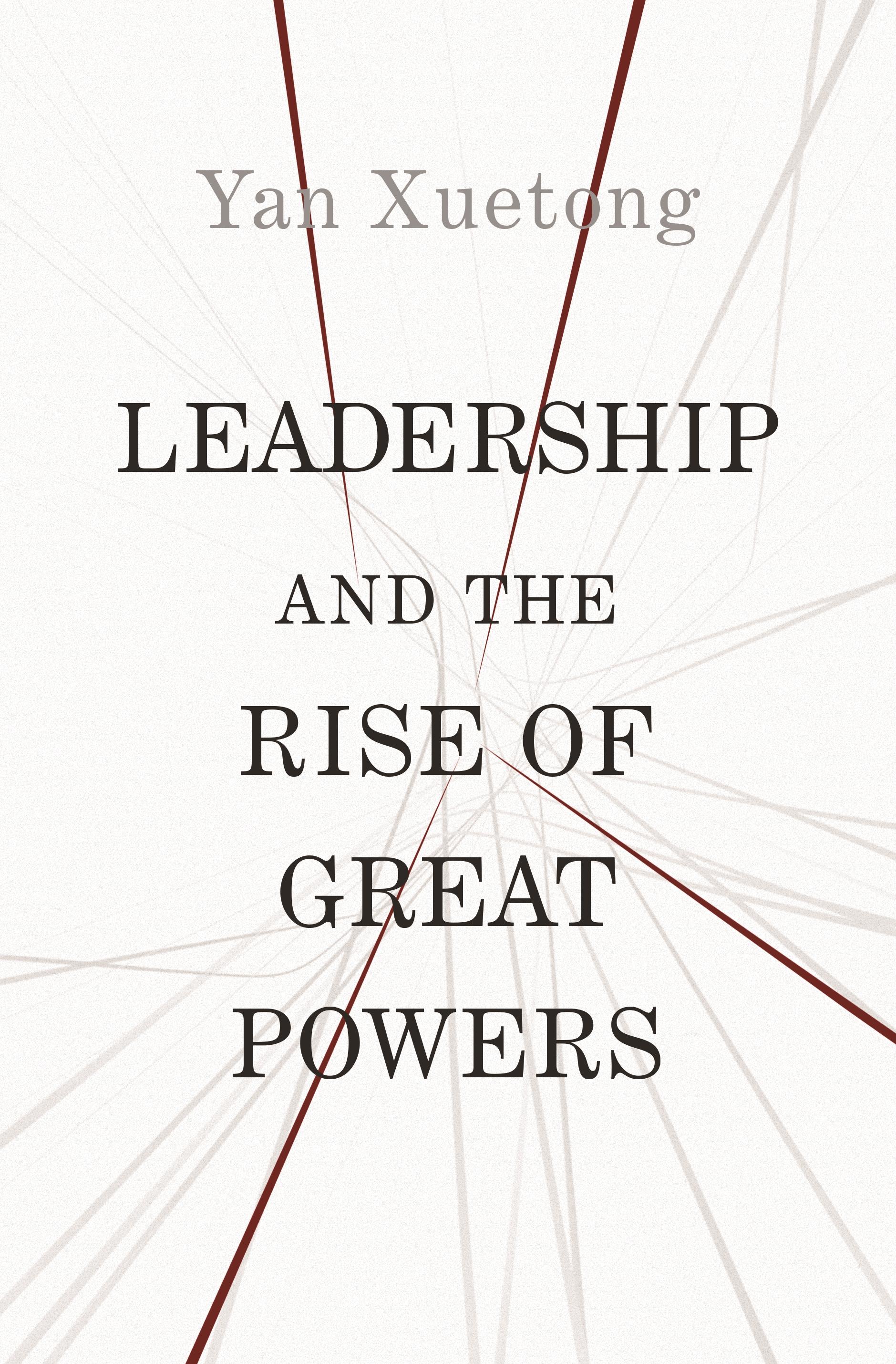
A leading foreign policy thinker uses Chinese political theory to explain why some powers rise as others decline and what this means for the international order
While work in international relations has closely examined the decline of great powers, not much attention has been paid to the question of their rise. The upward trajectory of China is a particularly puzzling case. How has it grown increasingly important in the world arena while lagging behind the United States and its allies across certain sectors? Borrowing ideas of political determinism from ancient Chinese philosophers, Leadership and the Rise of Great Powers explains China’s expanding influence by presenting a moral-realist theory that attributes the rise and fall of nations to political leadership. Yan Xuetong shows that the stronger a rising state’s political leadership, the more likely it is to displace a prevailing state in the international system.
Yan defines political leadership through the lens of morality, specifically the ability of a government to fulfill its domestic responsibility and maintain international strategic credibility. Examining leadership at the personal, national, and international levels, Yan shows how rising states like China transform the international order by reshaping power distribution and norms. Yan also considers the reasons for America’s diminishing international stature even as its economy, education system, military, political institutions, and technology hold steady. The polarization of China and the United States will not result in another Cold War scenario, but their mutual distrust will ultimately drive the world center from Europe to East Asia.
Using the lens of classical Chinese political theory, Leadership and the Rise of Great Powers offers a provocative, alternative perspective on the changing dominance of nations on the global stage.
Before Memmo my notes were scattered across PDFs. Now a workspace pulls everything into one place — I see exactly what's still left to study.
Memmo's summaries are gold before exams. I don't have to re-read 800 pages two weeks before — just the important parts.
The AI chat has saved me the night before an exam more than once. I just keep asking until I get it — no waiting on a study group to reply.
The quizzes hit exactly what I need to know. Memmo tracks what I get stuck on — so I only practice what's worth it.
Flashcards with spaced repetition are magic. Memmo knows when I'm about to forget something and brings it back.
The AI podcasts are my favorite. I listen on my way to school and get a recap without sitting at a computer.

Handbok i kvalitativa metoder
281 kr

Hållbar utveckling: en introduktion för ingenjörer och andra problemlösare
334 kr

Brymans Samhällsvetenskapliga metoder
390 kr

Projektledning
491 kr

Den orättvisa hälsan: om socioekonomiska skillnader i hälsa och livslängd
326 kr

Vetenskapsteori för nybörjare
196 kr

Organizational Leadership
429 kr

På väg mot läraryrket
172 kr

Det sociala livet i skolan: Socialpsykologiska perspektiv
253 kr

Betygsättningens didaktik
151 kr

Personality
402 kr

Studying Leadership
404 kr

Managing Innovation
477 kr

Introduktion till samhällsvetenskaplig metod
347 kr

The Psychology of Sex and Gender
698 kr

Evidens och kunskap för socialt arbete
207 kr

Introduction to Leadership
605 kr