
Before Memmo my notes were scattered across PDFs. Now a workspace pulls everything into one place — I see exactly what's still left to study.
"A forceful, encyclopedic study."—Michael Eric Dyson, New York Times
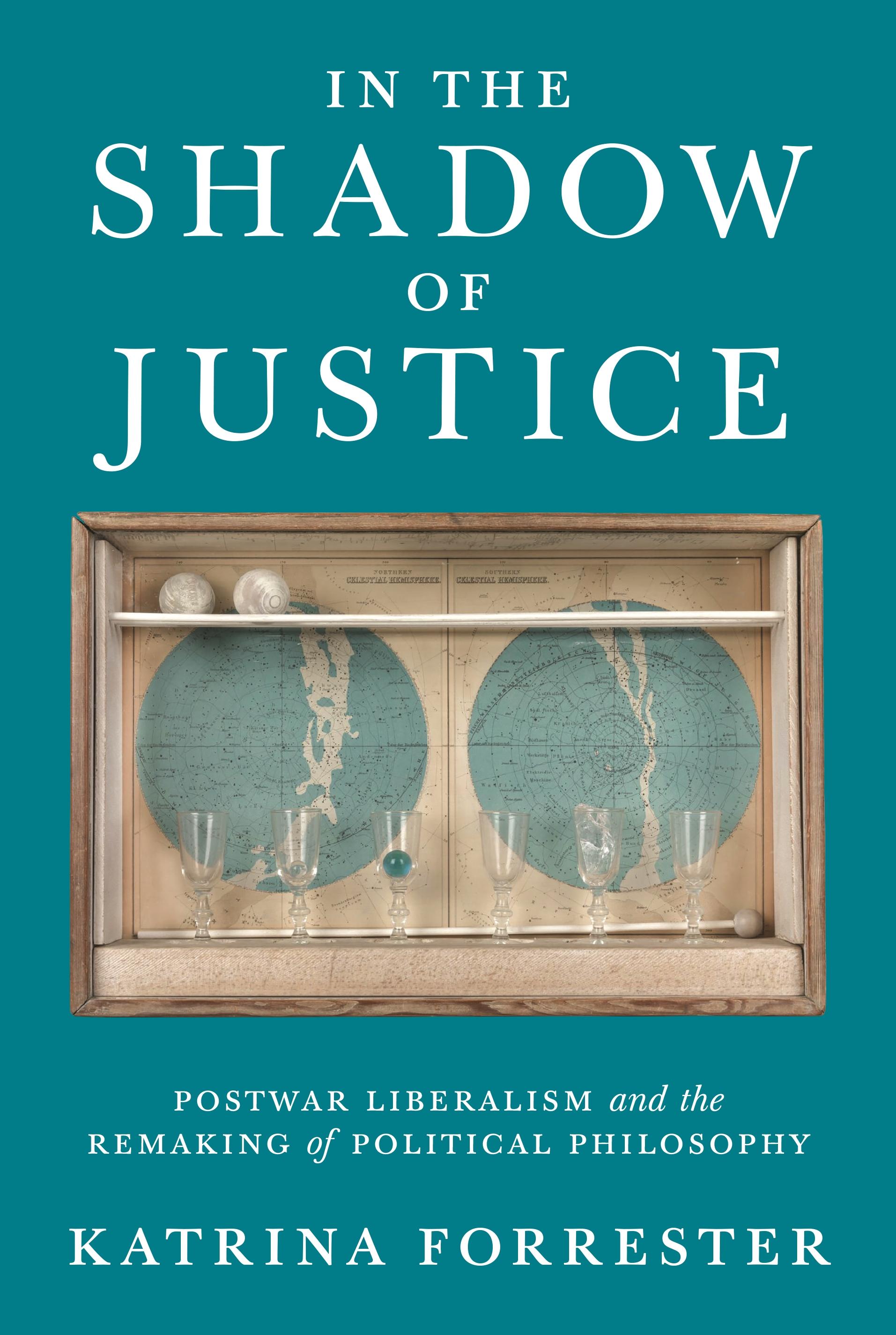
A history of how political philosophy was recast by the rise of postwar liberalism and irrevocably changed by John Rawls’s A Theory of Justice
In the Shadow of Justice tells the story of how liberal political philosophy was transformed in the second half of the twentieth century under the influence of John Rawls. In this first-ever history of contemporary liberal theory, Katrina Forrester shows how liberal egalitarianism—a set of ideas about justice, equality, obligation, and the state—became dominant, and traces its emergence from the political and ideological context of the postwar United States and Britain.
In the aftermath of the civil rights movement and the Vietnam War, Rawls’s A Theory of Justice made a particular kind of liberalism essential to political philosophy. Using archival sources, Forrester explores the ascent and legacy of this form of liberalism by examining its origins in midcentury debates among American antistatists and British egalitarians. She traces the roots of contemporary theories of justice and inequality, civil disobedience, just war, global and intergenerational justice, and population ethics in the 1960s and ’70s and beyond. In these years, political philosophers extended, developed, and reshaped this liberalism as they responded to challenges and alternatives on the left and right—from the New International Economic Order to the rise of the New Right. These thinkers remade political philosophy in ways that influenced not only their own trajectory but also that of their critics.
Recasting the history of late twentieth-century political thought and providing novel interpretations and fresh perspectives on major political philosophers, In the Shadow of Justice offers a rigorous look at liberalism’s ambitions and limits.
Before Memmo my notes were scattered across PDFs. Now a workspace pulls everything into one place — I see exactly what's still left to study.
Memmo's summaries are gold before exams. I don't have to re-read 800 pages two weeks before — just the important parts.
The AI chat has saved me the night before an exam more than once. I just keep asking until I get it — no waiting on a study group to reply.
The quizzes hit exactly what I need to know. Memmo tracks what I get stuck on — so I only practice what's worth it.
Flashcards with spaced repetition are magic. Memmo knows when I'm about to forget something and brings it back.
The AI podcasts are my favorite. I listen on my way to school and get a recap without sitting at a computer.

Handbok i kvalitativa metoder
281 kr

Hållbar utveckling: en introduktion för ingenjörer och andra problemlösare
334 kr

Brymans Samhällsvetenskapliga metoder
390 kr

Projektledning
491 kr

Den orättvisa hälsan: om socioekonomiska skillnader i hälsa och livslängd
326 kr

Vetenskapsteori för nybörjare
196 kr

Organizational Leadership
429 kr

På väg mot läraryrket
172 kr

Det sociala livet i skolan: Socialpsykologiska perspektiv
253 kr

Betygsättningens didaktik
151 kr

Personality
402 kr

Studying Leadership
404 kr

Managing Innovation
477 kr

Introduktion till samhällsvetenskaplig metod
347 kr

The Psychology of Sex and Gender
698 kr

Evidens och kunskap för socialt arbete
207 kr

Introduction to Leadership
605 kr