
Before Memmo my notes were scattered across PDFs. Now a workspace pulls everything into one place — I see exactly what's still left to study.
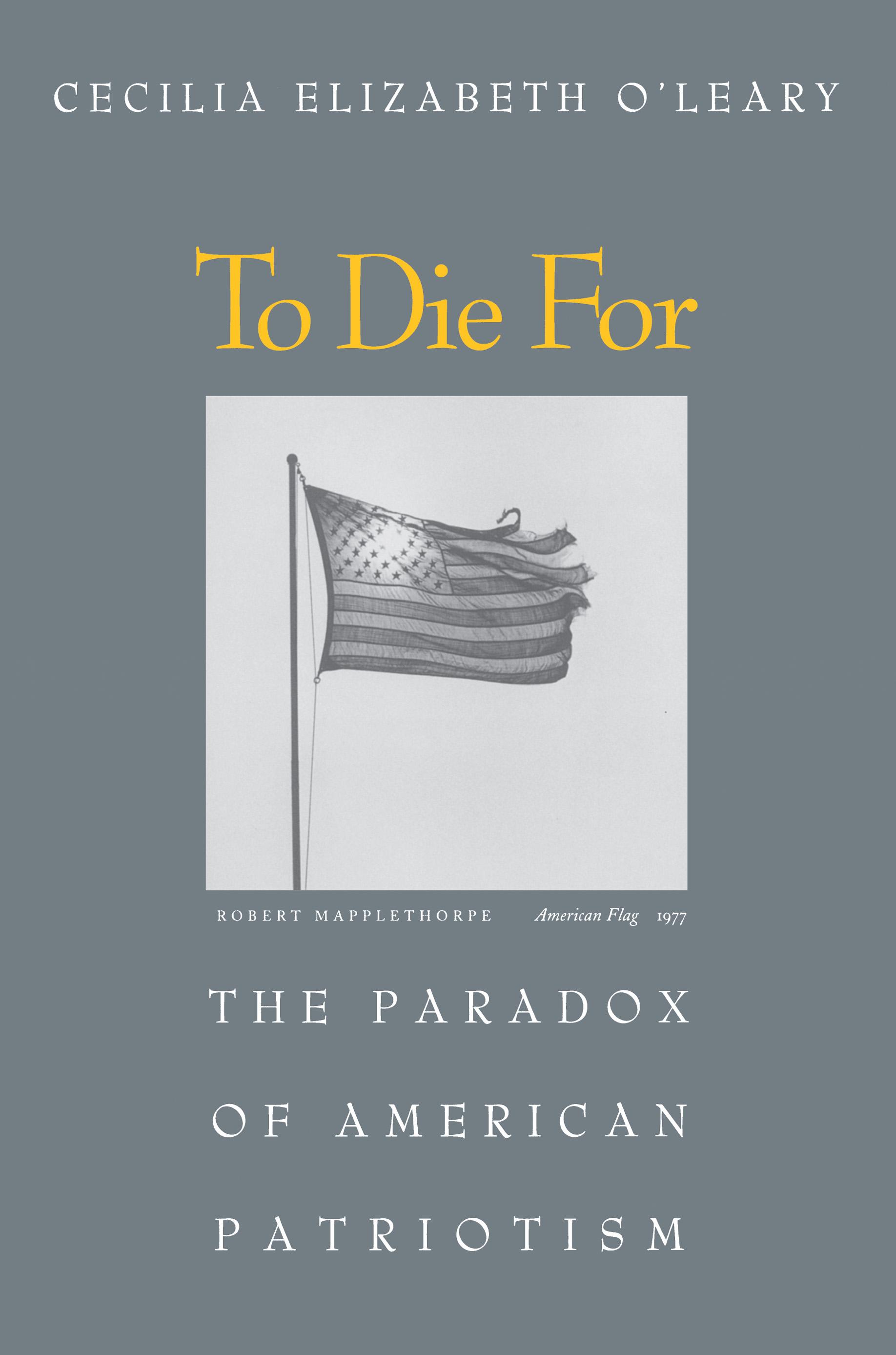
July Fourth, "The Star-Spangled Banner," Memorial Day, and the pledge of allegiance are typically thought of as timeless and consensual representations of a national, American culture. In fact, as Cecilia O'Leary shows, most trappings of the nation's icons were modern inventions that were deeply and bitterly contested. While the Civil War determined the survival of the Union, what it meant to be a loyal American remained an open question as the struggle to make a nation moved off of the battlefields and into cultural and political terrain.
Drawing upon a wide variety of original sources, O'Leary's interdisciplinary study explores the conflict over what events and icons would be inscribed into national memory, what traditions would be invented to establish continuity with a "suitable past," who would be exemplified as national heroes, and whether ethnic, regional, and other identities could coexist with loyalty to the nation. This book traces the origins, development, and consolidation of patriotic cultures in the United States from the latter half of the nineteenth century up to World War I, a period in which the country emerged as a modern nation-state. Until patriotism became a government-dominated affair in the twentieth century, culture wars raged throughout civil society over who had the authority to speak for the nation: Black Americans, women's organizations, workers, immigrants, and activists all spoke out and deeply influenced America's public life. Not until World War I, when the government joined forces with right-wing organizations and vigilante groups, did a racially exclusive, culturally conformist, militaristic patriotism finally triumph, albeit temporarily, over more progressive, egalitarian visions.
As O'Leary suggests, the paradox of American patriotism remains with us. Are nationalism and democratic forms of citizenship compatible? What binds a nation so divided by regions, languages, ethnicity, racism, gender, and class? The most thought-provoking question of this complex book is, Who gets to claim the American flag and determine the meanings of the republic for which it stands?
Before Memmo my notes were scattered across PDFs. Now a workspace pulls everything into one place — I see exactly what's still left to study.
Memmo's summaries are gold before exams. I don't have to re-read 800 pages two weeks before — just the important parts.
The AI chat has saved me the night before an exam more than once. I just keep asking until I get it — no waiting on a study group to reply.
The quizzes hit exactly what I need to know. Memmo tracks what I get stuck on — so I only practice what's worth it.
Flashcards with spaced repetition are magic. Memmo knows when I'm about to forget something and brings it back.
The AI podcasts are my favorite. I listen on my way to school and get a recap without sitting at a computer.

Handbok i kvalitativa metoder
281 kr

Hållbar utveckling: en introduktion för ingenjörer och andra problemlösare
334 kr

Brymans Samhällsvetenskapliga metoder
390 kr

Projektledning
491 kr

Den orättvisa hälsan: om socioekonomiska skillnader i hälsa och livslängd
326 kr

Organizational Leadership
429 kr

Vetenskapsteori för nybörjare
196 kr

På väg mot läraryrket
172 kr

Det sociala livet i skolan: Socialpsykologiska perspektiv
253 kr

Betygsättningens didaktik
151 kr

Personality
402 kr

Studying Leadership
404 kr

Managing Innovation
477 kr

Introduktion till samhällsvetenskaplig metod
347 kr

The Psychology of Sex and Gender
698 kr

Evidens och kunskap för socialt arbete
207 kr

Introduction to Leadership
605 kr