
Before Memmo my notes were scattered across PDFs. Now a workspace pulls everything into one place — I see exactly what's still left to study.
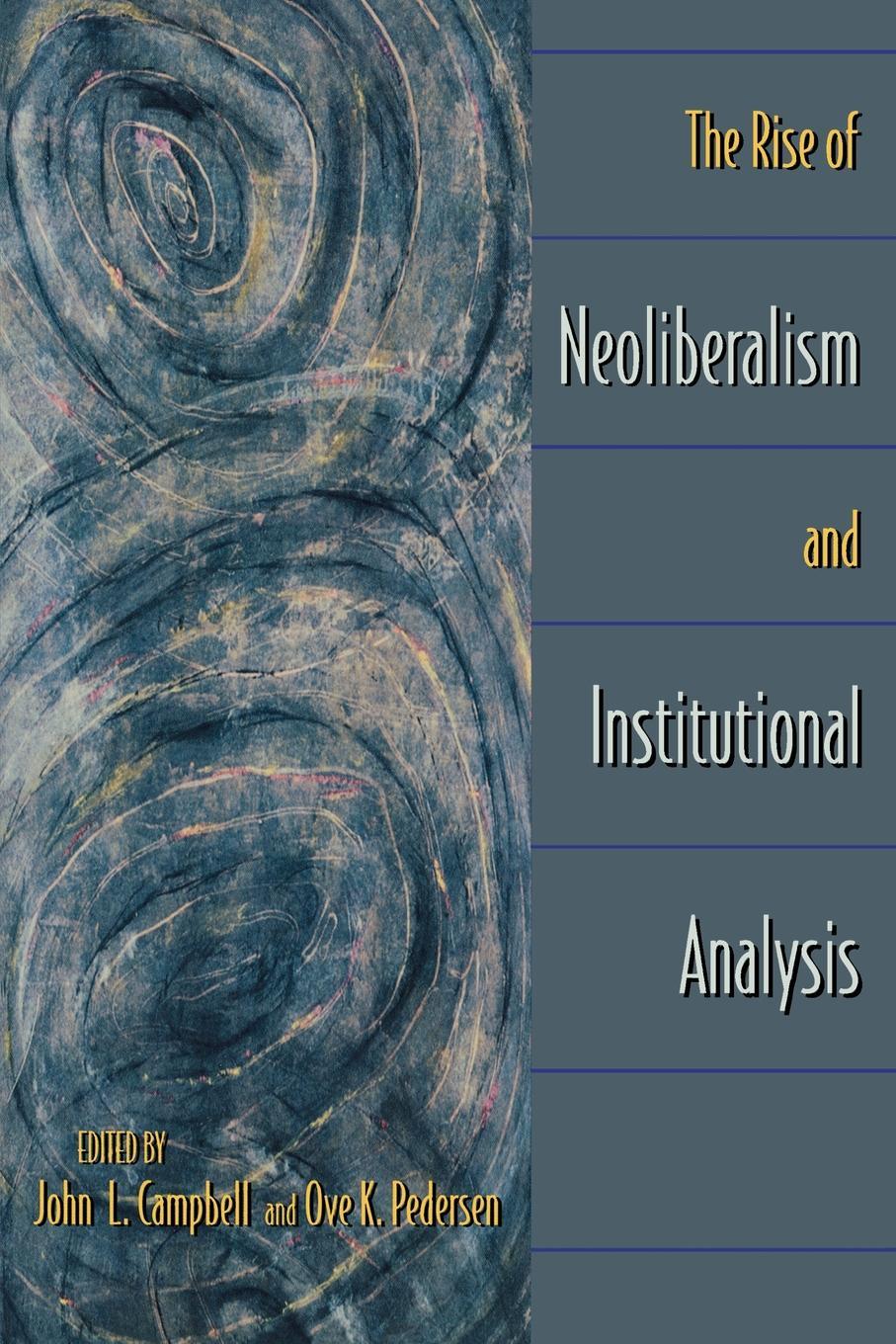
The last quarter century has been marked by the ascension of neoliberalism--market deregulation, state decentralization, and reduced political intervention in national economies. Not coincidentally, this period of dramatic institutional change has also seen the emergence of several schools of institutional analysis. Though these schools cut across disciplines, they have remained isolated from and critical of each other. This volume brings together four--rational choice, organizational, historical, and discursive institutionalism--to examine the rise of neoliberalism. In doing so, it makes tremendous methodological strides while substantively enlarging our knowledge about neoliberalism.
The book comprises original empirical studies by top scholars from each school of analysis. They examine neoliberalism's rise on three continents and explore changes in macroeconomic policy, labor markets, taxation, banking, and health care. Neoliberalism appears as much more complex, diverse, and contested than is often appreciated. The authors find that there is no convergence toward a common set of neoliberal institutions; that neoliberalism does not incapacitate states; and that neoliberal reform does not necessarily yield greater efficiency than other institutional arrangements. Beyond these important empirical contributions, this book is a methodological milestone in that it compares different schools of institutionalist analysis by seeing how they tackle a common problem. It reveals a second movement within institutionalism--one toward rapprochement and cross-fertilization among paradigms--and explains how this might be furthered with benefits throughout the social sciences.
In addition to the editors, the contributors are Sarah L. Babb, Ellen M. Bradburn, Bruce G. Carruthers, Terence C. Halliday, Colin Hay, Edgar Kiser, Peter Kjaer, Jack Knight, Aaron Matthew Laing, David Strang, and Bruce Western.
Before Memmo my notes were scattered across PDFs. Now a workspace pulls everything into one place — I see exactly what's still left to study.
Memmo's summaries are gold before exams. I don't have to re-read 800 pages two weeks before — just the important parts.
The AI chat has saved me the night before an exam more than once. I just keep asking until I get it — no waiting on a study group to reply.
The quizzes hit exactly what I need to know. Memmo tracks what I get stuck on — so I only practice what's worth it.
Flashcards with spaced repetition are magic. Memmo knows when I'm about to forget something and brings it back.
The AI podcasts are my favorite. I listen on my way to school and get a recap without sitting at a computer.

Handbok i kvalitativa metoder
281 kr

Hållbar utveckling: en introduktion för ingenjörer och andra problemlösare
334 kr

Brymans Samhällsvetenskapliga metoder
390 kr

Projektledning
491 kr

Den orättvisa hälsan: om socioekonomiska skillnader i hälsa och livslängd
326 kr

Vetenskapsteori för nybörjare
196 kr

Organizational Leadership
429 kr

På väg mot läraryrket
172 kr

Det sociala livet i skolan: Socialpsykologiska perspektiv
253 kr

Betygsättningens didaktik
151 kr

Personality
402 kr

Studying Leadership
404 kr

Managing Innovation
477 kr

Introduktion till samhällsvetenskaplig metod
347 kr

The Psychology of Sex and Gender
698 kr

Evidens och kunskap för socialt arbete
207 kr

Introduction to Leadership
605 kr