
Before Memmo my notes were scattered across PDFs. Now a workspace pulls everything into one place — I see exactly what's still left to study.
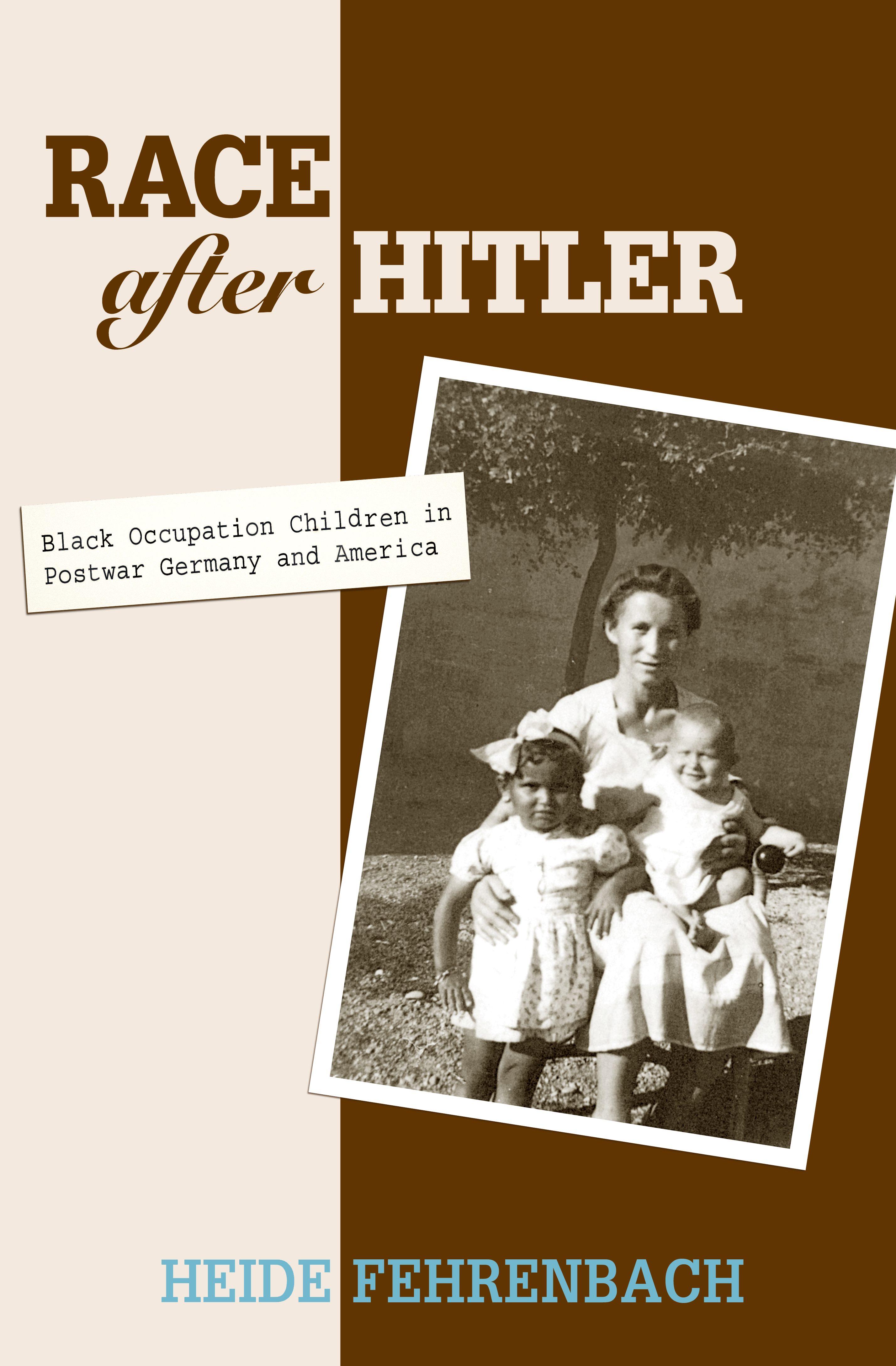
When American victors entered Germany in the spring of 1945, they came armed not only with a commitment to democracy but also to Jim Crow practices. Race after Hitler tells the story of how troubled race relations among American occupation soldiers, and black-white mixing within Germany, unexpectedly shaped German notions of race after 1945. Biracial occupation children became objects of intense scrutiny and politicking by postwar Germans into the 1960s, resulting in a shift away from official antisemitism to a focus on color and blackness.
Beginning with black GIs' unexpected feelings of liberation in postfascist Germany, Fehrenbach investigates reactions to their relations with white German women and to the few thousand babies born of these unions. Drawing on social welfare and other official reports, scientific studies, and media portrayals from both sides of the Atlantic, Fehrenbach reconstructs social policy debates regarding black occupation children, such as whether they should be integrated into German society or adopted to African American or other families abroad. Ultimately, a consciously liberal discourse of race emerged in response to the children among Germans who prided themselves on--and were lauded by the black American press for--rejecting the hateful practices of National Socialism and the segregationist United States.
Fehrenbach charts her story against a longer history of German racism extending from nineteenth-century colonialism through National Socialism to contemporary debates about multiculturalism. An important and provocative work, Race after Hitler explores how racial ideologies are altered through transnational contact accompanying war and regime change, even and especially in the most intimate areas of sex and reproduction.
Before Memmo my notes were scattered across PDFs. Now a workspace pulls everything into one place — I see exactly what's still left to study.
Memmo's summaries are gold before exams. I don't have to re-read 800 pages two weeks before — just the important parts.
The AI chat has saved me the night before an exam more than once. I just keep asking until I get it — no waiting on a study group to reply.
The quizzes hit exactly what I need to know. Memmo tracks what I get stuck on — so I only practice what's worth it.
Flashcards with spaced repetition are magic. Memmo knows when I'm about to forget something and brings it back.
The AI podcasts are my favorite. I listen on my way to school and get a recap without sitting at a computer.

Handbok i kvalitativa metoder
281 kr

Hållbar utveckling: en introduktion för ingenjörer och andra problemlösare
334 kr

Brymans Samhällsvetenskapliga metoder
390 kr

Projektledning
491 kr

Den orättvisa hälsan: om socioekonomiska skillnader i hälsa och livslängd
326 kr

Vetenskapsteori för nybörjare
196 kr

Organizational Leadership
429 kr

På väg mot läraryrket
172 kr

Det sociala livet i skolan: Socialpsykologiska perspektiv
253 kr

Betygsättningens didaktik
151 kr

Personality
402 kr

Studying Leadership
404 kr

Managing Innovation
477 kr

Introduktion till samhällsvetenskaplig metod
347 kr

The Psychology of Sex and Gender
698 kr

Evidens och kunskap för socialt arbete
207 kr

Introduction to Leadership
605 kr