
Before Memmo my notes were scattered across PDFs. Now a workspace pulls everything into one place — I see exactly what's still left to study.
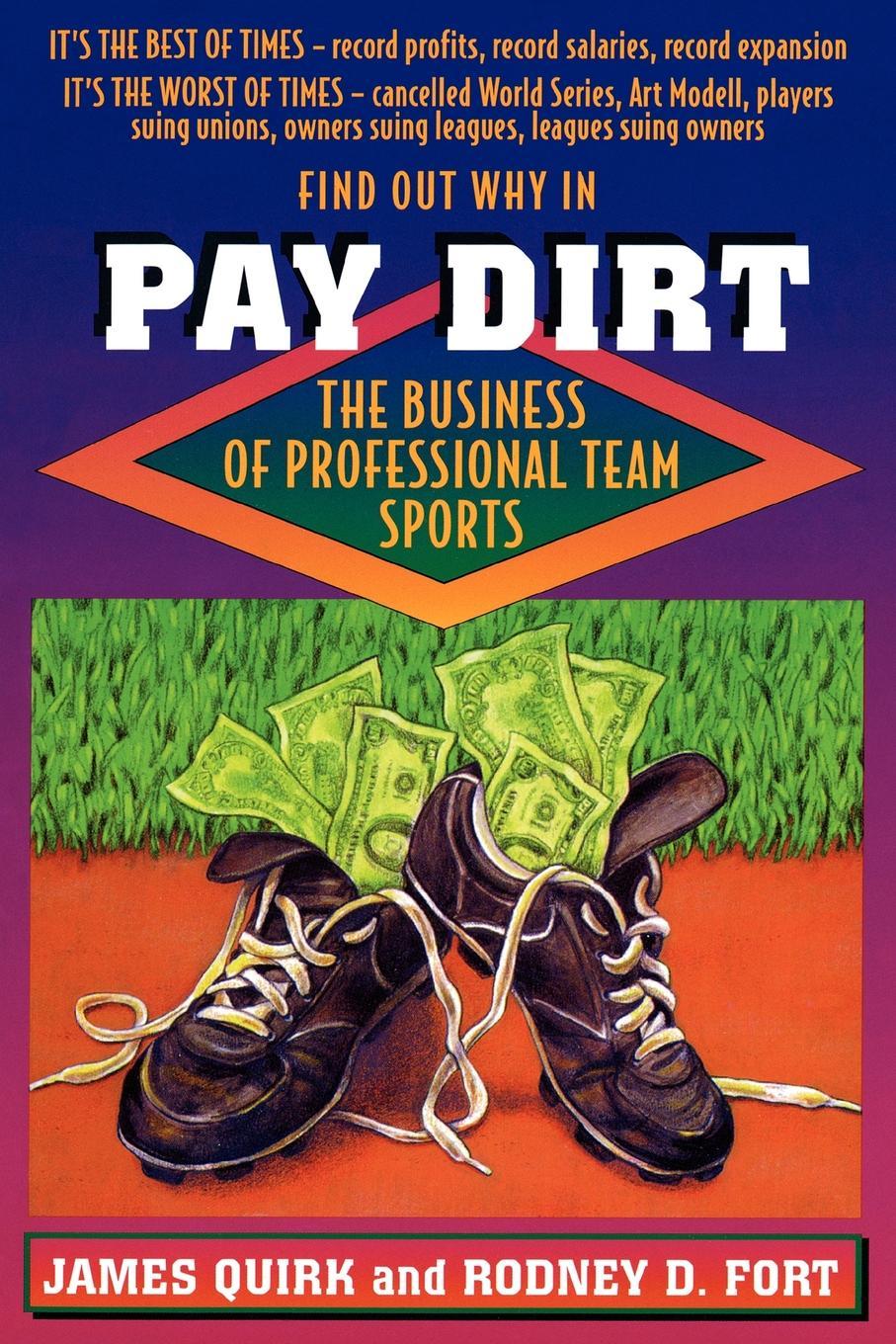
Why would a Japanese millionaire want to buy the Seattle Mariners baseball team, when he has admitted that he has never played in or even seen a baseball game? Cash is the answer: major league baseball, like professional football, basketball, and hockey, is now big business with the potential to bring millions of dollars in profits to owners. Not very long ago, however, buying a sports franchise was a hazardous investment risked only by die-hard fans wealthy enough to lose parts of fortunes made in other businesses. What forces have changed team ownership from sports-fan folly to big-business savvy? Why has The Wall Street Journal become popular reading in pro sports locker rooms? And why are sports pages now dominated by economic clashes between owners and players, cities with franchises and cities without them, leagues and players' unions, and team lawyers and players' lawyers? In answering these questions, James Quirk and Rodney Fort have written the most complete book on the business and economics of professional sports, past and present.
Pay Dirt offers a wealth of information and analysis on the reserve clause, salary determination, competitive balance in sports leagues, the market for franchises, tax sheltering, arenas and stadiums, and rival leagues. The authors present an abundance of historical material, much of it new, including team ownership histories and data on attendance, TV revenue, stadium and arena contracts, and revenues and costs. League histories, team statistics, stories about players and owners, and sports lore of all kinds embellish the work. Quirk and Fort are writing for anyone interested in sports in the 1990s: players, players' agents, general managers, sportswriters, and, most of all, sports fans.
Before Memmo my notes were scattered across PDFs. Now a workspace pulls everything into one place — I see exactly what's still left to study.
Memmo's summaries are gold before exams. I don't have to re-read 800 pages two weeks before — just the important parts.
The AI chat has saved me the night before an exam more than once. I just keep asking until I get it — no waiting on a study group to reply.
The quizzes hit exactly what I need to know. Memmo tracks what I get stuck on — so I only practice what's worth it.
Flashcards with spaced repetition are magic. Memmo knows when I'm about to forget something and brings it back.
The AI podcasts are my favorite. I listen on my way to school and get a recap without sitting at a computer.

Handbok i kvalitativa metoder
281 kr

Hållbar utveckling: en introduktion för ingenjörer och andra problemlösare
334 kr

Brymans Samhällsvetenskapliga metoder
390 kr

Projektledning
491 kr

Den orättvisa hälsan: om socioekonomiska skillnader i hälsa och livslängd
326 kr

Organizational Leadership
429 kr

Vetenskapsteori för nybörjare
196 kr

På väg mot läraryrket
172 kr

Det sociala livet i skolan: Socialpsykologiska perspektiv
253 kr

Betygsättningens didaktik
151 kr

Personality
402 kr

Studying Leadership
404 kr

Managing Innovation
477 kr

Introduktion till samhällsvetenskaplig metod
347 kr

The Psychology of Sex and Gender
698 kr

Evidens och kunskap för socialt arbete
207 kr

Introduction to Leadership
605 kr