
Before Memmo my notes were scattered across PDFs. Now a workspace pulls everything into one place — I see exactly what's still left to study.
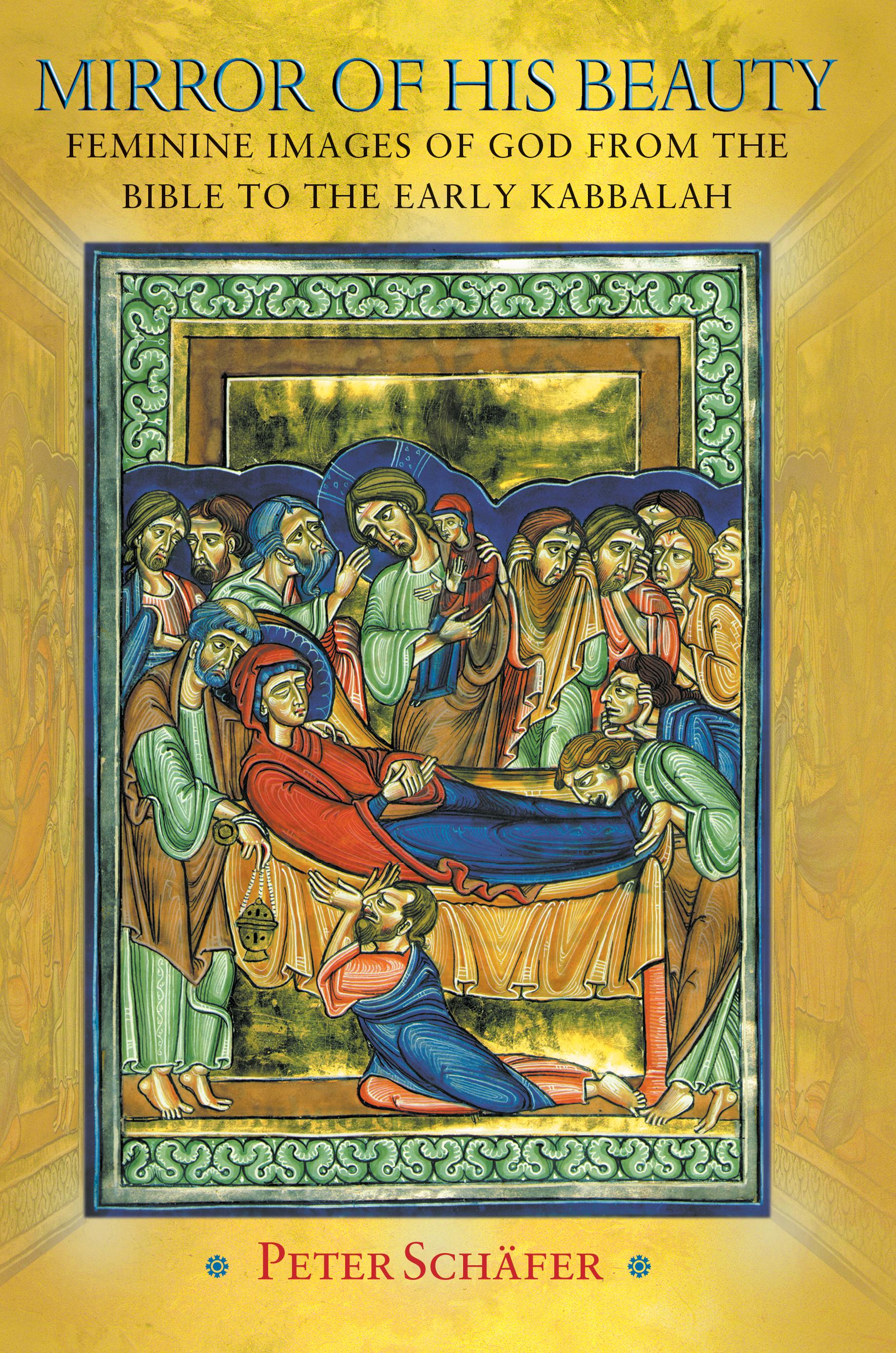
In this beautifully realized study, Peter Schäfer investigates the origins of a female manifestation of God in Jewish mysticism. The search itself is a fascinating exploration of the idea of a feminine divinity. And Schäfer's surprising but persuasive conclusions yield deeper understanding of the complex but frequently intimate relationship between Christianity and Judaism--and of the development of religious concepts more generally.
Toward the end of the twelfth century, a small book titled the Bahir (Light) appeared in Provence. The first document of Judaism's emerging kabbalistic movement, it introduced a completely new view of God, one that included a divine potency that was essentially female. This female divinity was portrayed both as a mediator between Jews and God and as part of the Godhead itself. Examining Judaic history from the biblical Wisdom tradition to the Middle Ages, Schäfer finds some precedents for the Kabbalah's feminine divinity. But he cannot account for her forceful appearance in twelfth-century southern France without reference to the immediate Christian environment, particularly the flourishing veneration of the Virgin Mary. Indeed, twelfth-century Jews and Christians were simultaneously rediscovering the feminine as an aspect of the Godhead after having abandoned it in favor of either an abstract, disembodied God or an exclusively male one.
In proposing that the medieval cult of Mary--rather than eastern Gnosticism--is the appropriate framework for understanding the feminine elements in Jewish mysticism, Mirror of His Beauty represents a sea change in Kabbalah and Jewish-Christian cultural studies. It shifts our attention from the Byzantine East to the Latin Christian West. And in contrast to histories that treat the development of Judaism and Christianity in isolation, it leads us to a fuller understanding of Jews and Christians living in proximity, aware of each other.
Before Memmo my notes were scattered across PDFs. Now a workspace pulls everything into one place — I see exactly what's still left to study.
Memmo's summaries are gold before exams. I don't have to re-read 800 pages two weeks before — just the important parts.
The AI chat has saved me the night before an exam more than once. I just keep asking until I get it — no waiting on a study group to reply.
The quizzes hit exactly what I need to know. Memmo tracks what I get stuck on — so I only practice what's worth it.
Flashcards with spaced repetition are magic. Memmo knows when I'm about to forget something and brings it back.
The AI podcasts are my favorite. I listen on my way to school and get a recap without sitting at a computer.

Handbok i kvalitativa metoder
281 kr

Hållbar utveckling: en introduktion för ingenjörer och andra problemlösare
334 kr

Brymans Samhällsvetenskapliga metoder
390 kr

Projektledning
491 kr

Den orättvisa hälsan: om socioekonomiska skillnader i hälsa och livslängd
326 kr

Vetenskapsteori för nybörjare
196 kr

Organizational Leadership
429 kr

På väg mot läraryrket
172 kr

Det sociala livet i skolan: Socialpsykologiska perspektiv
253 kr

Betygsättningens didaktik
151 kr

Personality
402 kr

Studying Leadership
404 kr

Managing Innovation
477 kr

Introduktion till samhällsvetenskaplig metod
347 kr

The Psychology of Sex and Gender
698 kr

Evidens och kunskap för socialt arbete
207 kr

Introduction to Leadership
605 kr