
Before Memmo my notes were scattered across PDFs. Now a workspace pulls everything into one place — I see exactly what's still left to study.
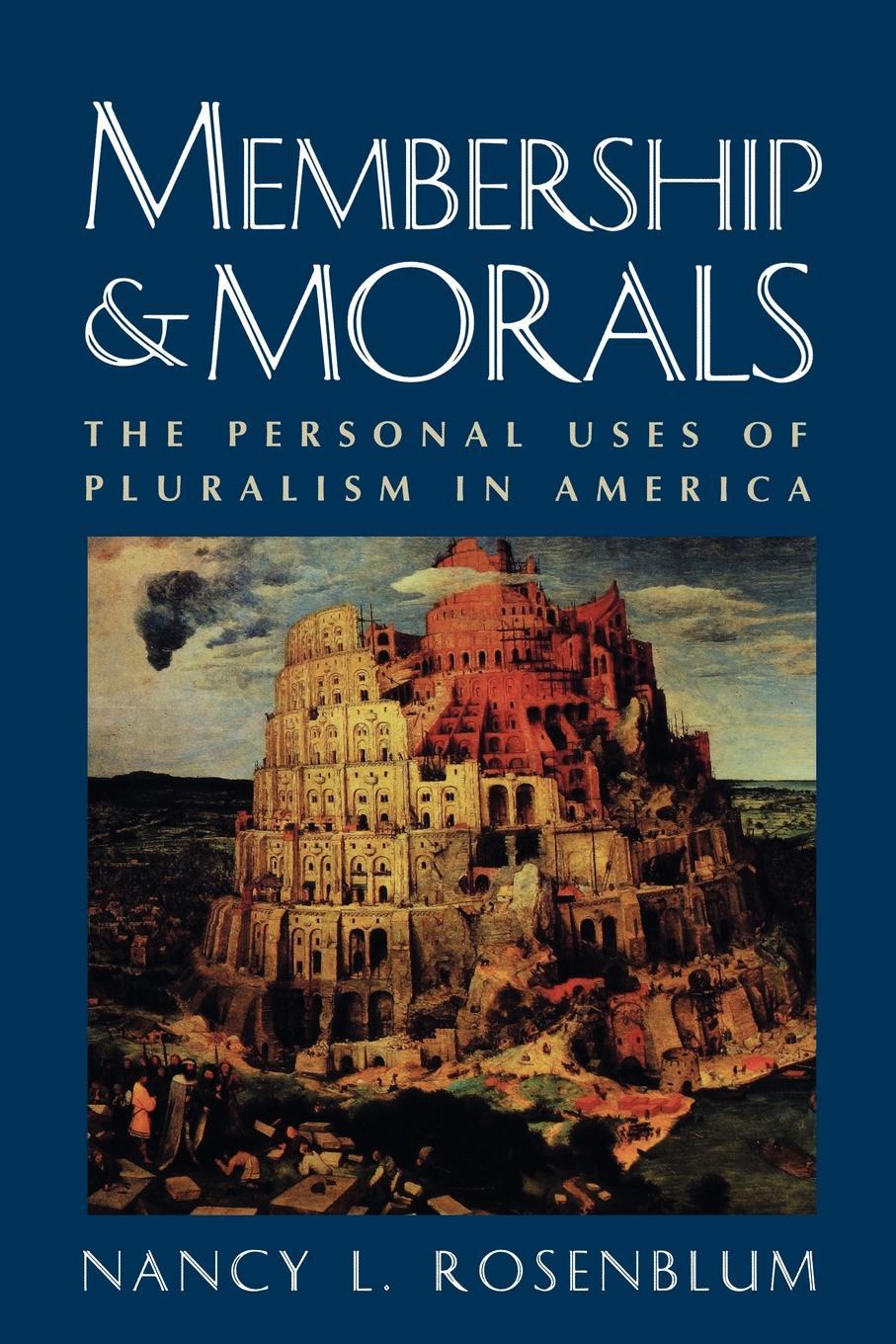
In recent years, membership has dropped in traditional voluntary associations such as Rotary Clubs, Jaycees, and bowling leagues. At the same time, concern is rising about the growth of paramilitary and hate groups. Scholars have warned that these trends are undermining civic society by creating a dangerous number of isolated, mistrustful individuals and organized, antisocial renegades. In this provocative book, however, Nancy Rosenblum takes a new, less narrowly political approach to the study of groups. And she reaches more optimistic conclusions about the state of civil society.
Rosenblum argues that we should judge associations not only by what they do for civic virtue, but also by what they do for individual members. She shows that groups of all kinds--among them religious groups, corporations, homeowner associations, secret societies, racial and cultural identity groups, prayer groups, and even paramilitary groups--fill deep psychological and moral needs. And she contends that the failure to recognize this has contributed to an alarmist view of their social impact. For example, she argues that, although extremist groups have obvious antisocial aims, they constrain individuals who would be even more dangerous as maladjusted loners. And she examines the rapid growth of small "support groups"--which are usually dismissed as politically irrelevant--and shows that the moral support people find in such places as prayer groups and self-help groups helps to cultivate the social trust some scholars say is disappearing. Rosenblum concludes that, for practical and principled reasons, American democracy should permit expansive freedom of association, illustrating her case with discussion of specific cases in law.
Rosenblum recognizes, however, that freedom has a price. She reminds us that some groups have oppressive and even criminal tendencies, and she explores what liberal democracy should do to ensure that individuals also have freedom within associations and freedom to exit. Throughout, Rosenblum writes eloquently and with a powerful moral voice, drawing on law, practical politics, and psychology to produce an original political theory of the moral uses of pluralism. The book adds remarkable depth and subtlety to one of the leading subjects in contemporary social and political debate.
Before Memmo my notes were scattered across PDFs. Now a workspace pulls everything into one place — I see exactly what's still left to study.
Memmo's summaries are gold before exams. I don't have to re-read 800 pages two weeks before — just the important parts.
The AI chat has saved me the night before an exam more than once. I just keep asking until I get it — no waiting on a study group to reply.
The quizzes hit exactly what I need to know. Memmo tracks what I get stuck on — so I only practice what's worth it.
Flashcards with spaced repetition are magic. Memmo knows when I'm about to forget something and brings it back.
The AI podcasts are my favorite. I listen on my way to school and get a recap without sitting at a computer.

Handbok i kvalitativa metoder
281 kr

Hållbar utveckling: en introduktion för ingenjörer och andra problemlösare
334 kr

Brymans Samhällsvetenskapliga metoder
390 kr

Projektledning
491 kr

Den orättvisa hälsan: om socioekonomiska skillnader i hälsa och livslängd
326 kr

Vetenskapsteori för nybörjare
196 kr

Organizational Leadership
429 kr

På väg mot läraryrket
172 kr

Det sociala livet i skolan: Socialpsykologiska perspektiv
253 kr

Betygsättningens didaktik
151 kr

Personality
402 kr

Studying Leadership
404 kr

Managing Innovation
477 kr

Introduktion till samhällsvetenskaplig metod
347 kr

The Psychology of Sex and Gender
698 kr

Evidens och kunskap för socialt arbete
207 kr

Introduction to Leadership
605 kr