
Before Memmo my notes were scattered across PDFs. Now a workspace pulls everything into one place — I see exactly what's still left to study.
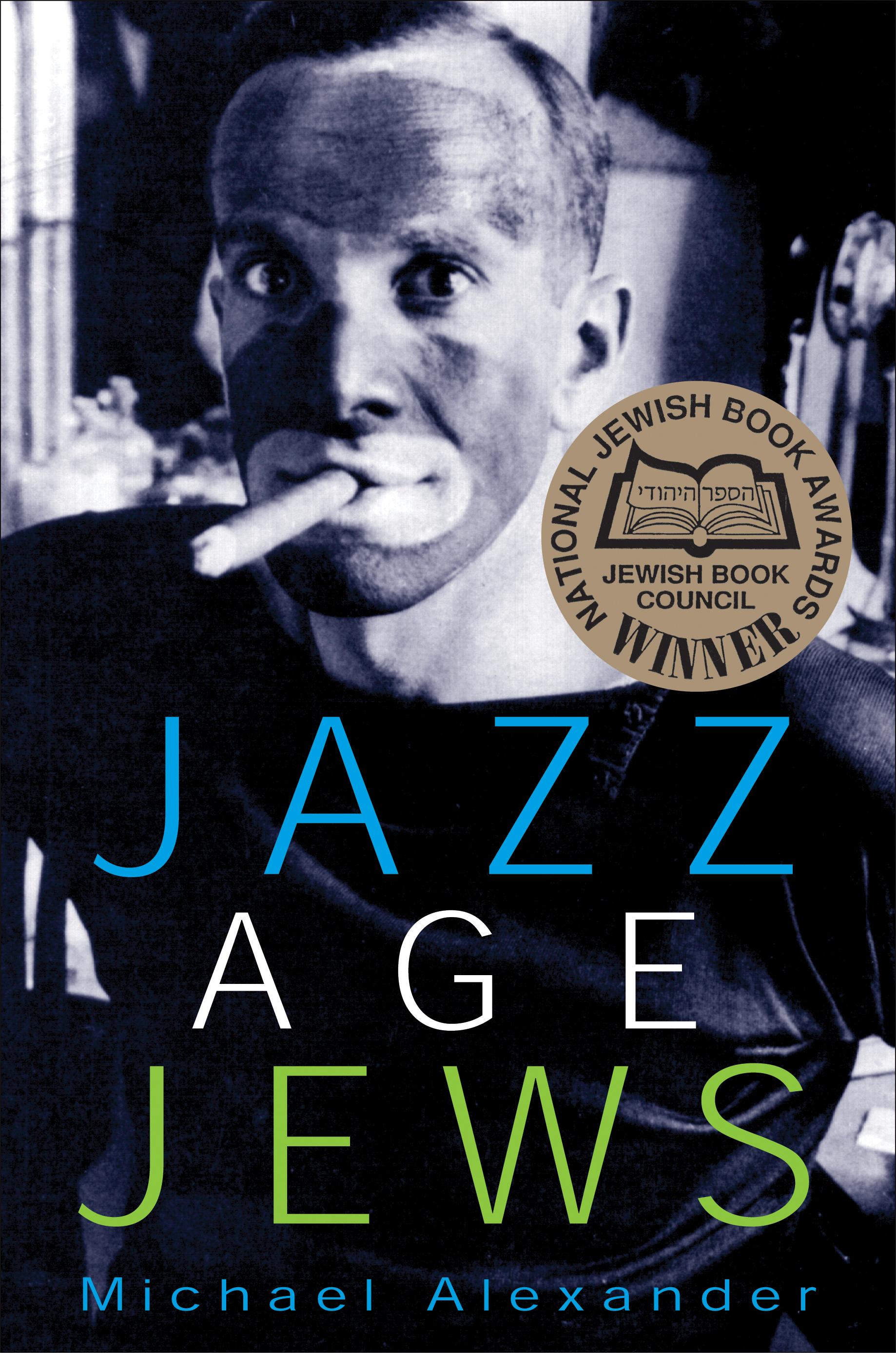
By the 1920s, Jews were--by all economic, political, and cultural measures of the day--making it in America. But as these children of immigrants took their places in American society, many deliberately identified with groups that remained excluded. Despite their success, Jews embraced resistance more than acculturation, preferring marginal status to assimilation.
The stories of Al Jolson, Felix Frankfurter, and Arnold Rothstein are told together to explore this paradox in the psychology of American Jewry. All three Jews were born in the 1880s, grew up around American Jewish ghettos, married gentile women, entered the middle class, and rose to national fame. All three also became heroes to the American Jewish community for their association with events that galvanized the country and defined the Jazz Age. Rothstein allegedly fixed the 1919 World Series--an accusation this book disputes. Frankfurter defended the Italian anarchists Sacco and Vanzetti. Jolson brought jazz music to Hollywood for the first talking film, The Jazz Singer, and regularly impersonated African Americans in blackface. Each of these men represented a version of the American outsider, and American Jews celebrated them for it.
Michael Alexander's gracefully written account profoundly complicates the history of immigrants in America. It challenges charges that anti-Semitism exclusively or even mostly explains Jews' feelings of marginality, while it calls for a general rethinking of positions that have assumed an immigrant quest for inclusion into the white American mainstream. Rather, Alexander argues that Jewish outsider status stemmed from the group identity Jews brought with them to this country in the form of the theology of exile. Jazz Age Jews shows that most Jews felt culturally obliged to mark themselves as different--and believed that doing so made them both better Jews and better Americans.
Before Memmo my notes were scattered across PDFs. Now a workspace pulls everything into one place — I see exactly what's still left to study.
Memmo's summaries are gold before exams. I don't have to re-read 800 pages two weeks before — just the important parts.
The AI chat has saved me the night before an exam more than once. I just keep asking until I get it — no waiting on a study group to reply.
The quizzes hit exactly what I need to know. Memmo tracks what I get stuck on — so I only practice what's worth it.
Flashcards with spaced repetition are magic. Memmo knows when I'm about to forget something and brings it back.
The AI podcasts are my favorite. I listen on my way to school and get a recap without sitting at a computer.

Handbok i kvalitativa metoder
281 kr

Hållbar utveckling: en introduktion för ingenjörer och andra problemlösare
334 kr

Brymans Samhällsvetenskapliga metoder
390 kr

Projektledning
491 kr

Den orättvisa hälsan: om socioekonomiska skillnader i hälsa och livslängd
326 kr

Organizational Leadership
429 kr

Vetenskapsteori för nybörjare
196 kr

På väg mot läraryrket
172 kr

Det sociala livet i skolan: Socialpsykologiska perspektiv
253 kr

Betygsättningens didaktik
151 kr

Personality
402 kr

Studying Leadership
404 kr

Managing Innovation
477 kr

Introduktion till samhällsvetenskaplig metod
347 kr

The Psychology of Sex and Gender
698 kr

Evidens och kunskap för socialt arbete
207 kr

Introduction to Leadership
605 kr