
Before Memmo my notes were scattered across PDFs. Now a workspace pulls everything into one place — I see exactly what's still left to study.
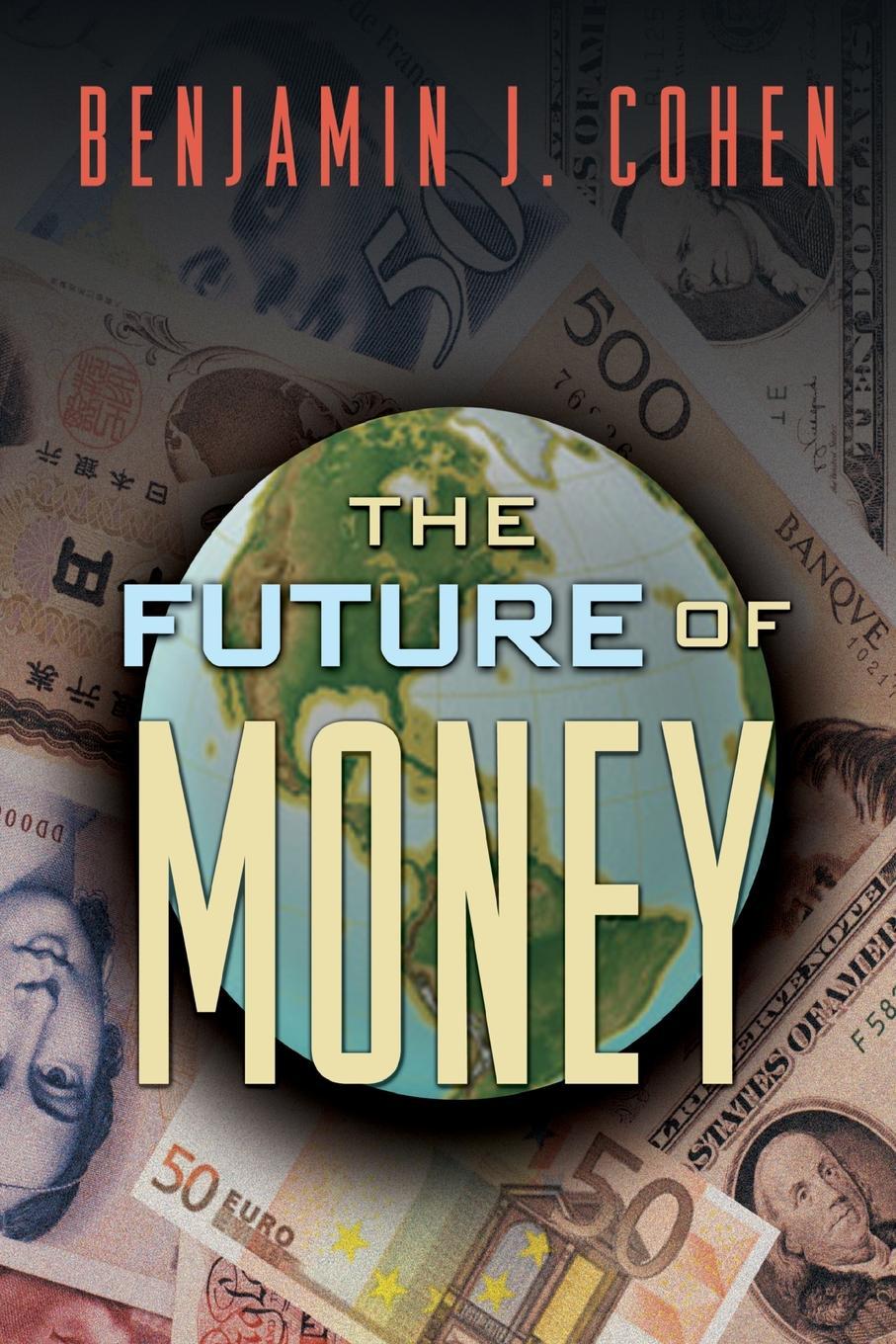
Is globalization leading us toward a world of fewer and fewer currencies and, consequently, simplified monetary management? Many specialists believe this is the case, as the territorial monopolies national governments have long claimed over money appears to be eroding. In The Future of Money, Benjamin Cohen argues that this view--which he calls the "Contraction Contention"--is wrong. Rigorously argued, written with extraordinary clarity, and thoroughly up-to-date, this book demonstrates that the global population of currencies is set to expand greatly, not contract, making monetary governance more difficult, not less.
At the book's core is an innovative theoretical model for understanding the strategic preferences of states in monetary management. Should governments defend their traditional monetary sovereignty, or should they seek some kind of regional consolidation of currencies? The model offers two broad advances. First, whereas most scholarly work evaluates strategic options individually or in comparison to just one other alternative, this model emphasizes the three-dimensional nature of the decisions involved. Second, the model emphasizes degrees of currency regionalization as a central determinant of state preferences. Cohen also systematically explores the role of the private sector as an alternative source of money.
The book concludes with two key policy proposals. First, fiscal policy should be resurrected as a tool of macroeconomic management, to offset the present-day erosion in the effectiveness of monetary policy. Second, the International Monetary Fund should more actively help coordinate the decentralized strategic decision-making of governments. The future of money will be perilous. But, by mapping out the alternative policies countries can follow, The Future of Money shows it need not be chaotic.
Before Memmo my notes were scattered across PDFs. Now a workspace pulls everything into one place — I see exactly what's still left to study.
Memmo's summaries are gold before exams. I don't have to re-read 800 pages two weeks before — just the important parts.
The AI chat has saved me the night before an exam more than once. I just keep asking until I get it — no waiting on a study group to reply.
The quizzes hit exactly what I need to know. Memmo tracks what I get stuck on — so I only practice what's worth it.
Flashcards with spaced repetition are magic. Memmo knows when I'm about to forget something and brings it back.
The AI podcasts are my favorite. I listen on my way to school and get a recap without sitting at a computer.

Handbok i kvalitativa metoder
281 kr

Hållbar utveckling: en introduktion för ingenjörer och andra problemlösare
334 kr

Brymans Samhällsvetenskapliga metoder
390 kr

Projektledning
491 kr

Den orättvisa hälsan: om socioekonomiska skillnader i hälsa och livslängd
326 kr

Organizational Leadership
429 kr

Vetenskapsteori för nybörjare
196 kr

På väg mot läraryrket
172 kr

Det sociala livet i skolan: Socialpsykologiska perspektiv
253 kr

Betygsättningens didaktik
151 kr

Personality
402 kr

Studying Leadership
404 kr

Managing Innovation
477 kr

Introduktion till samhällsvetenskaplig metod
347 kr

The Psychology of Sex and Gender
698 kr

Evidens och kunskap för socialt arbete
207 kr

Introduction to Leadership
605 kr