
Before Memmo my notes were scattered across PDFs. Now a workspace pulls everything into one place — I see exactly what's still left to study.
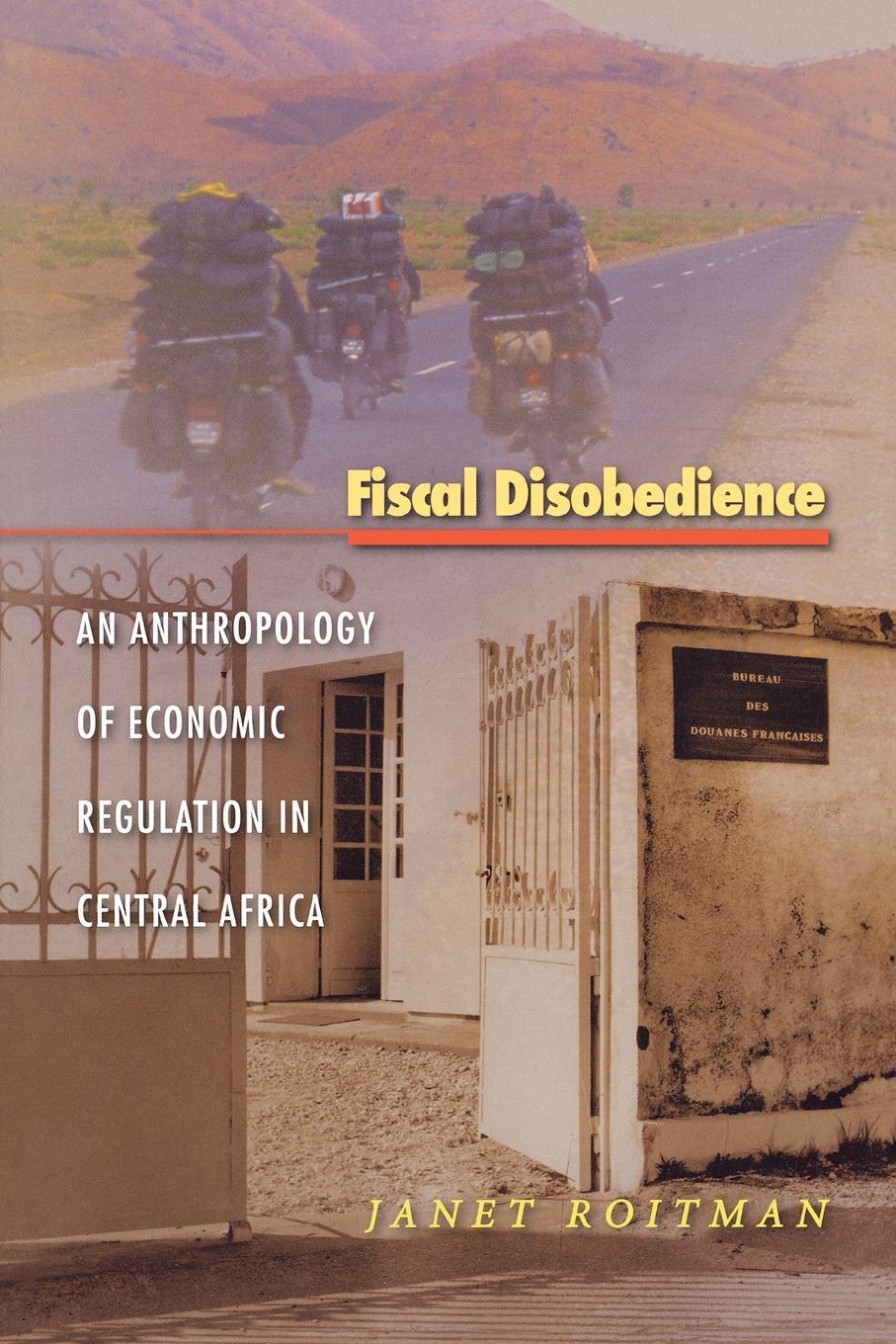
Fiscal Disobedience represents a novel approach to the question of citizenship amid the changing global economy and the fiscal crisis of the nation-state. Focusing on economic practices in the Chad Basin of Africa, Janet Roitman combines thorough ethnographic fieldwork with sophisticated analysis of key ideas of political economy to examine the contentious nature of fiscal relationships between the state and its citizens. She argues that citizenship is being redefined through a renegotiation of the rights and obligations inherent in such economic relationships.
The book centers on a civil disobedience movement that arose in Cameroon beginning in 1990 ostensibly to counter state fiscal authority--a movement dubbed Opération Villes Mortes by the opposition and incivisme fiscal by the government (which for its part was eager to suggest that participants were less than legitimate citizens, failing in their civic duties). Contrary to standard approaches, Roitman examines this conflict as a "productive moment" that, rather than involving the outright rejection of regulatory authority, questioned the intelligibility of its exercise. Although both militarized commercial networks (associated with such activities trading in contraband goods including drugs, ivory, and guns) and highly organized gang-based banditry do challenge state authority, they do not necessarily undermine state power.
Contrary to depictions of the African state as "weak" or "failed," this book demonstrates how the state in Africa manages to reconstitute its authority through networks that have emerged in the interstices of the state system. It also shows how those networks partake of the same epistemological grounding as does the state. Indeed, both state and nonstate practices of governing refer to a common "ethic of illegality," which explains how illegal activities are understood as licit or reasonable conduct.
Before Memmo my notes were scattered across PDFs. Now a workspace pulls everything into one place — I see exactly what's still left to study.
Memmo's summaries are gold before exams. I don't have to re-read 800 pages two weeks before — just the important parts.
The AI chat has saved me the night before an exam more than once. I just keep asking until I get it — no waiting on a study group to reply.
The quizzes hit exactly what I need to know. Memmo tracks what I get stuck on — so I only practice what's worth it.
Flashcards with spaced repetition are magic. Memmo knows when I'm about to forget something and brings it back.
The AI podcasts are my favorite. I listen on my way to school and get a recap without sitting at a computer.

Handbok i kvalitativa metoder
281 kr

Hållbar utveckling: en introduktion för ingenjörer och andra problemlösare
334 kr

Brymans Samhällsvetenskapliga metoder
390 kr

Projektledning
491 kr

Den orättvisa hälsan: om socioekonomiska skillnader i hälsa och livslängd
326 kr

Organizational Leadership
429 kr

Vetenskapsteori för nybörjare
196 kr

På väg mot läraryrket
172 kr

Det sociala livet i skolan: Socialpsykologiska perspektiv
253 kr

Betygsättningens didaktik
151 kr

Personality
402 kr

Studying Leadership
404 kr

Managing Innovation
477 kr

Introduktion till samhällsvetenskaplig metod
347 kr

The Psychology of Sex and Gender
698 kr

Evidens och kunskap för socialt arbete
207 kr

Introduction to Leadership
605 kr