
Before Memmo my notes were scattered across PDFs. Now a workspace pulls everything into one place — I see exactly what's still left to study.
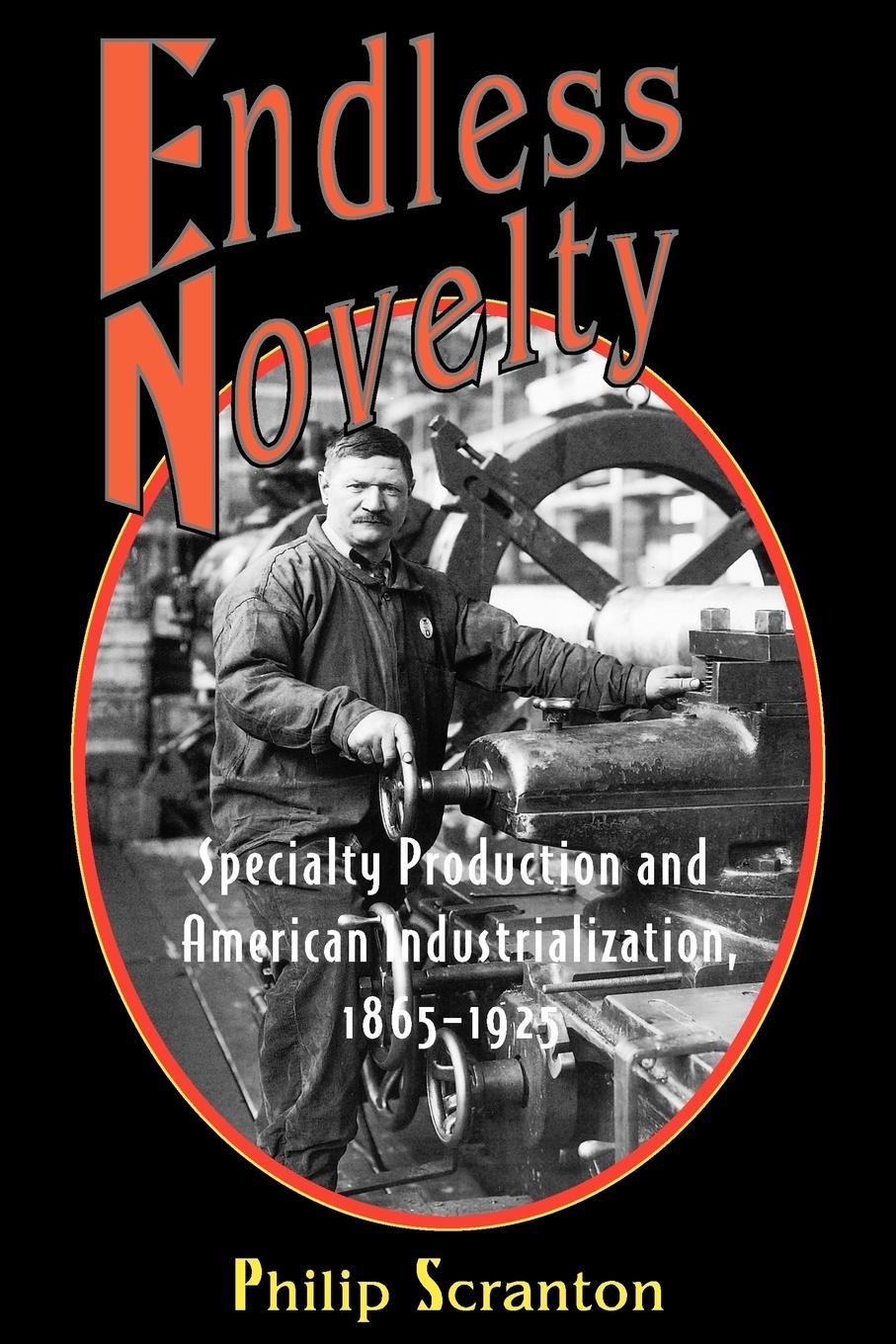
Flexibility, specialization, and niche marketing are buzzwords in the business literature these days, yet few realize that it was these elements that helped the United States first emerge as a global manufacturing leader between the Civil War and World War I. The huge mass production-based businesses--steel, oil, and autos--have long been given sole credit for this emergence. In Endless Novelty, Philip Scranton boldly recasts the history of this vital episode in the development of American business, known as the nation's second industrial revolution, by considering the crucial impact of trades featuring specialty, not standardized, production. Scranton takes us on a grand tour through American specialty firms and districts, where, for example, we meet printers and jewelry makers in New York and Providence, furniture builders in Grand Rapids, and tool specialists in Cincinnati. Throughout he highlights the benevolent as well as the strained relationships between workers and proprietors, the lively interactions among entrepreneurs and city leaders, and the personal achievements of industrial engineers like Frederic W. Taylor.
Scranton shows that in sectors producing goods such as furniture, jewelry, machine tools, and electrical equipment, firms made goods to order or in batches, and industrial districts and networks flourished, creating millions of jobs. These enterprises relied on flexibility, skilled labor, close interactions with clients, suppliers, and rivals, and opportunistic pricing to generate profit streams. They built interfirm alliances to manage markets and fashioned specialized institutions--trade schools, industrial banks, labor bureaus, and sales consortia. In creating regional synergies and economies of scope and diversity, the approaches of these industrial firms represent the inverse of mass production.
Challenging views of company organization that have come to dominate the business world in the United States, Endless Novelty will appeal to historians, business leaders, and to anyone curious about the structure of American industry.
Before Memmo my notes were scattered across PDFs. Now a workspace pulls everything into one place — I see exactly what's still left to study.
Memmo's summaries are gold before exams. I don't have to re-read 800 pages two weeks before — just the important parts.
The AI chat has saved me the night before an exam more than once. I just keep asking until I get it — no waiting on a study group to reply.
The quizzes hit exactly what I need to know. Memmo tracks what I get stuck on — so I only practice what's worth it.
Flashcards with spaced repetition are magic. Memmo knows when I'm about to forget something and brings it back.
The AI podcasts are my favorite. I listen on my way to school and get a recap without sitting at a computer.

Handbok i kvalitativa metoder
281 kr

Hållbar utveckling: en introduktion för ingenjörer och andra problemlösare
334 kr

Brymans Samhällsvetenskapliga metoder
390 kr

Projektledning
491 kr

Den orättvisa hälsan: om socioekonomiska skillnader i hälsa och livslängd
326 kr

Vetenskapsteori för nybörjare
196 kr

Organizational Leadership
429 kr

På väg mot läraryrket
172 kr

Det sociala livet i skolan: Socialpsykologiska perspektiv
253 kr

Betygsättningens didaktik
151 kr

Personality
402 kr

Studying Leadership
404 kr

Managing Innovation
477 kr

Introduktion till samhällsvetenskaplig metod
347 kr

The Psychology of Sex and Gender
698 kr

Evidens och kunskap för socialt arbete
207 kr

Introduction to Leadership
605 kr