
Before Memmo my notes were scattered across PDFs. Now a workspace pulls everything into one place — I see exactly what's still left to study.
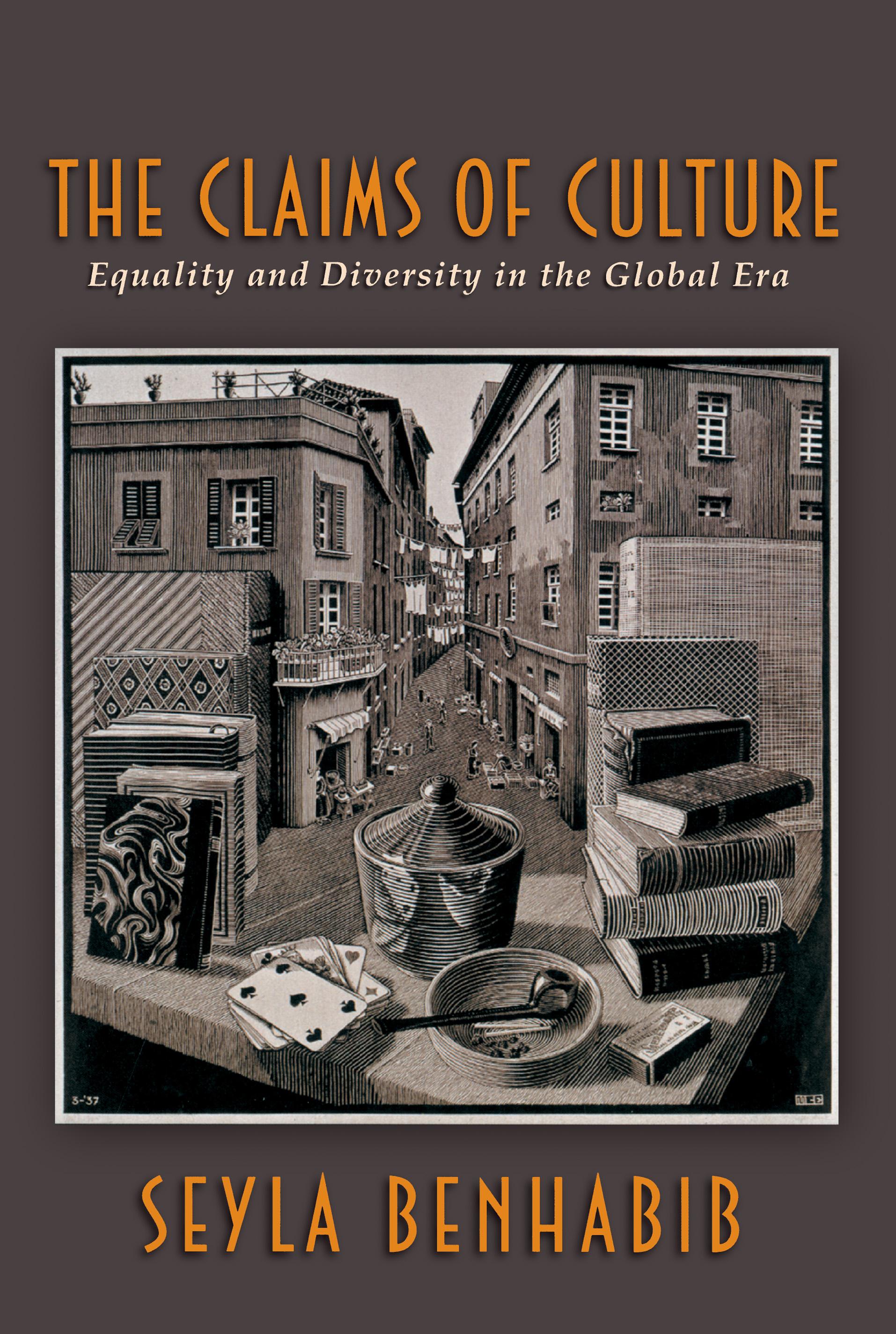
How can liberal democracy best be realized in a world fraught with conflicting new forms of identity politics and intensifying conflicts over culture? This book brings unparalleled clarity to the contemporary debate over this question. Maintaining that cultures are themselves torn by conflicts about their own boundaries, Seyla Benhabib challenges the assumption shared by many theorists and activists that cultures are clearly defined wholes. She argues that much debate--including that of "strong" multiculturalism, which sees cultures as distinct pieces of a mosaic--is dominated by this faulty belief, one with grave consequences for how we think injustices among groups should be redressed and human diversity achieved. Benhabib masterfully presents an alternative approach, developing an understanding of cultures as continually creating, re-creating, and renegotiating the imagined boundaries between "us" and "them."
Drawing on contemporary cultural politics from Western Europe, Canada, and the United States, Benhabib develops a double-track model of deliberative democracy that permits maximum cultural contestation within the official public sphere as well as in and through social movements and the institutions of civil society. Agreeing with political liberals that constitutional and legal universalism should be preserved at the level of polity, she nonetheless contends that such a model is necessary to resolve multicultural conflicts.
Analyzing in detail the transformation of citizenship practices in European Union countries, Benhabib concludes that flexible citizenship, certain kinds of legal pluralism and models of institutional powersharing are quite compatible with deliberative democracy, as long as they are in accord with egalitarian reciprocity, voluntary self-ascription, and freedom of exit and association. The Claims of Culture offers invaluable insight to all those, whether students or scholars, lawyers or policymakers, who strive to bridge the gap between the theory and practice of cultural politics in the twenty-first century.
Before Memmo my notes were scattered across PDFs. Now a workspace pulls everything into one place — I see exactly what's still left to study.
Memmo's summaries are gold before exams. I don't have to re-read 800 pages two weeks before — just the important parts.
The AI chat has saved me the night before an exam more than once. I just keep asking until I get it — no waiting on a study group to reply.
The quizzes hit exactly what I need to know. Memmo tracks what I get stuck on — so I only practice what's worth it.
Flashcards with spaced repetition are magic. Memmo knows when I'm about to forget something and brings it back.
The AI podcasts are my favorite. I listen on my way to school and get a recap without sitting at a computer.

Handbok i kvalitativa metoder
281 kr

Hållbar utveckling: en introduktion för ingenjörer och andra problemlösare
334 kr

Brymans Samhällsvetenskapliga metoder
390 kr

Projektledning
491 kr

Den orättvisa hälsan: om socioekonomiska skillnader i hälsa och livslängd
326 kr

Vetenskapsteori för nybörjare
196 kr

Organizational Leadership
429 kr

På väg mot läraryrket
172 kr

Det sociala livet i skolan: Socialpsykologiska perspektiv
253 kr

Betygsättningens didaktik
151 kr

Personality
402 kr

Studying Leadership
404 kr

Managing Innovation
477 kr

Introduktion till samhällsvetenskaplig metod
347 kr

The Psychology of Sex and Gender
698 kr

Evidens och kunskap för socialt arbete
207 kr

Introduction to Leadership
605 kr