
Before Memmo my notes were scattered across PDFs. Now a workspace pulls everything into one place — I see exactly what's still left to study.
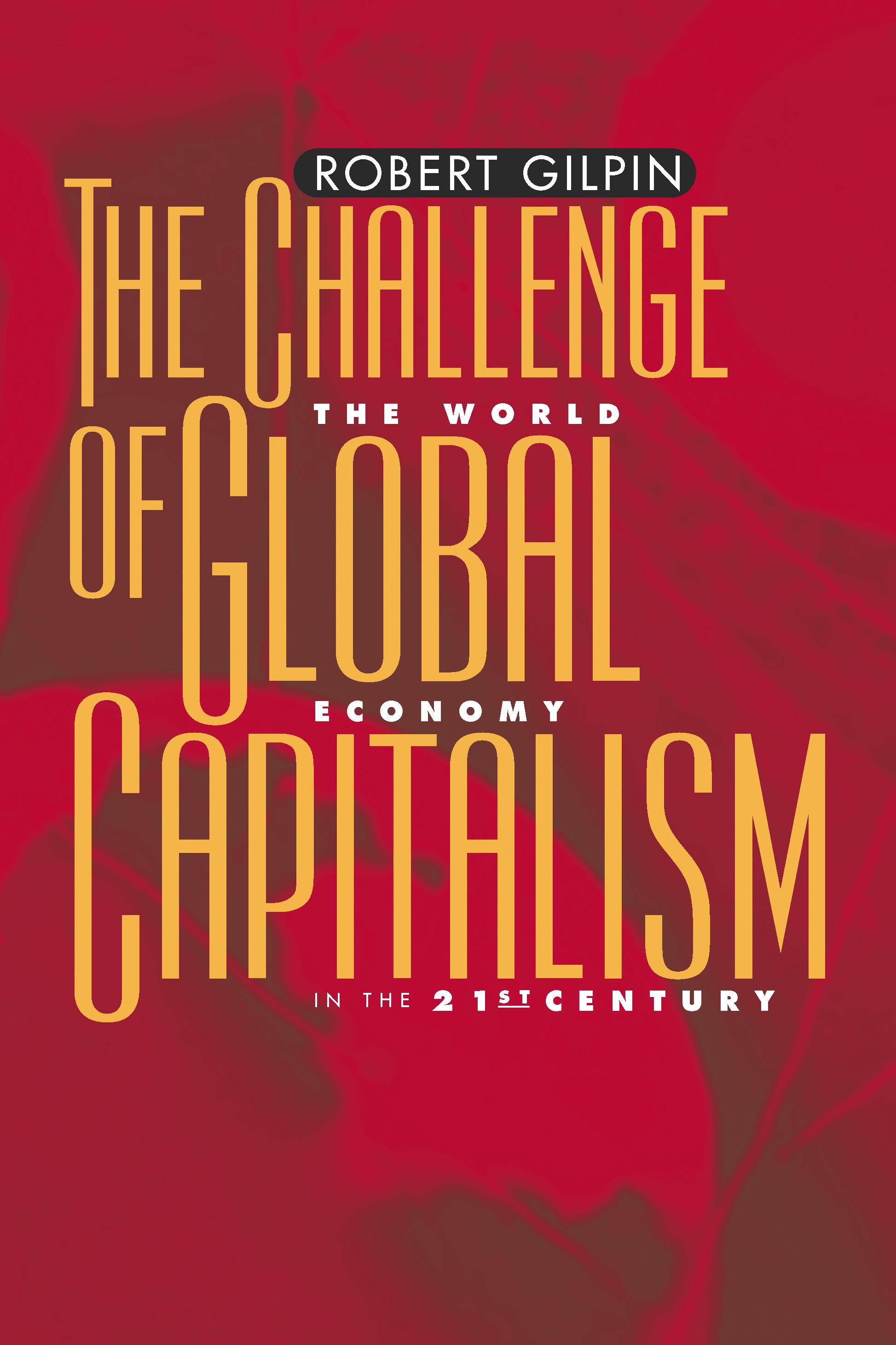
Many individuals proclaim that global capitalism is here to stay. Unfettered markets, they argue, now drive the world, and all countries must adjust, no matter how painful this may be for some. Robert Gilpin, author of the widely acclaimed Political Economy of International Relations (Princeton, 1987), urges us, however, not to take an open and integrated global economy for granted. Rather, we must consider the political circumstances that have enabled global markets to function and the probability that these conditions will continue. Gilpin's new book amounts to a magisterial inquiry into all major aspects of the contemporary world political economy. Beginning with the 1989 end of the Cold War and the subsequent collapse of communism, it focuses on globalization and rapid technological change and covers a broad sweep of economic developments and political cultures. Gilpin demonstrates the fragility of a global and integrated economy and recommends what can be done to strengthen it.
The international community has another chance to solidify the global market economy that collapsed with the outbreak of World War I. Yet, writes Gilpin, the full implications of this historic development for international affairs are not yet clear. Will socialist economies make a successful transition to market-type economies? What role will a dynamic China play in the world economy? Will the United States continue to exercise leadership or gravitate toward self-centered policies? Gilpin explores such questions along with problems in the areas of trade liberalization, multinational corporations, and destabilizing financial flows. He also investigates the struggles of less developed countries and the spread of economic regionalism, particularly in Europe, North America, and Pacific Asia, which directly threatens an open world economy.
The author maintains that global capitalism and economic globalization have rested and must continue to rest on a secure political foundation. However, this foundation has eroded since the end of the Soviet threat. To ensure survival of the global economy, Gilpin concludes, the United States and other major powers must recommit themselves to working together to rebuild its weakened political foundations.
Before Memmo my notes were scattered across PDFs. Now a workspace pulls everything into one place — I see exactly what's still left to study.
Memmo's summaries are gold before exams. I don't have to re-read 800 pages two weeks before — just the important parts.
The AI chat has saved me the night before an exam more than once. I just keep asking until I get it — no waiting on a study group to reply.
The quizzes hit exactly what I need to know. Memmo tracks what I get stuck on — so I only practice what's worth it.
Flashcards with spaced repetition are magic. Memmo knows when I'm about to forget something and brings it back.
The AI podcasts are my favorite. I listen on my way to school and get a recap without sitting at a computer.

Handbok i kvalitativa metoder
281 kr

Hållbar utveckling: en introduktion för ingenjörer och andra problemlösare
334 kr

Brymans Samhällsvetenskapliga metoder
390 kr

Projektledning
491 kr

Den orättvisa hälsan: om socioekonomiska skillnader i hälsa och livslängd
326 kr

Vetenskapsteori för nybörjare
196 kr

Organizational Leadership
429 kr

På väg mot läraryrket
172 kr

Det sociala livet i skolan: Socialpsykologiska perspektiv
253 kr

Betygsättningens didaktik
151 kr

Personality
402 kr

Studying Leadership
404 kr

Managing Innovation
477 kr

Introduktion till samhällsvetenskaplig metod
347 kr

The Psychology of Sex and Gender
698 kr

Evidens och kunskap för socialt arbete
207 kr

Introduction to Leadership
605 kr