
Before Memmo my notes were scattered across PDFs. Now a workspace pulls everything into one place — I see exactly what's still left to study.
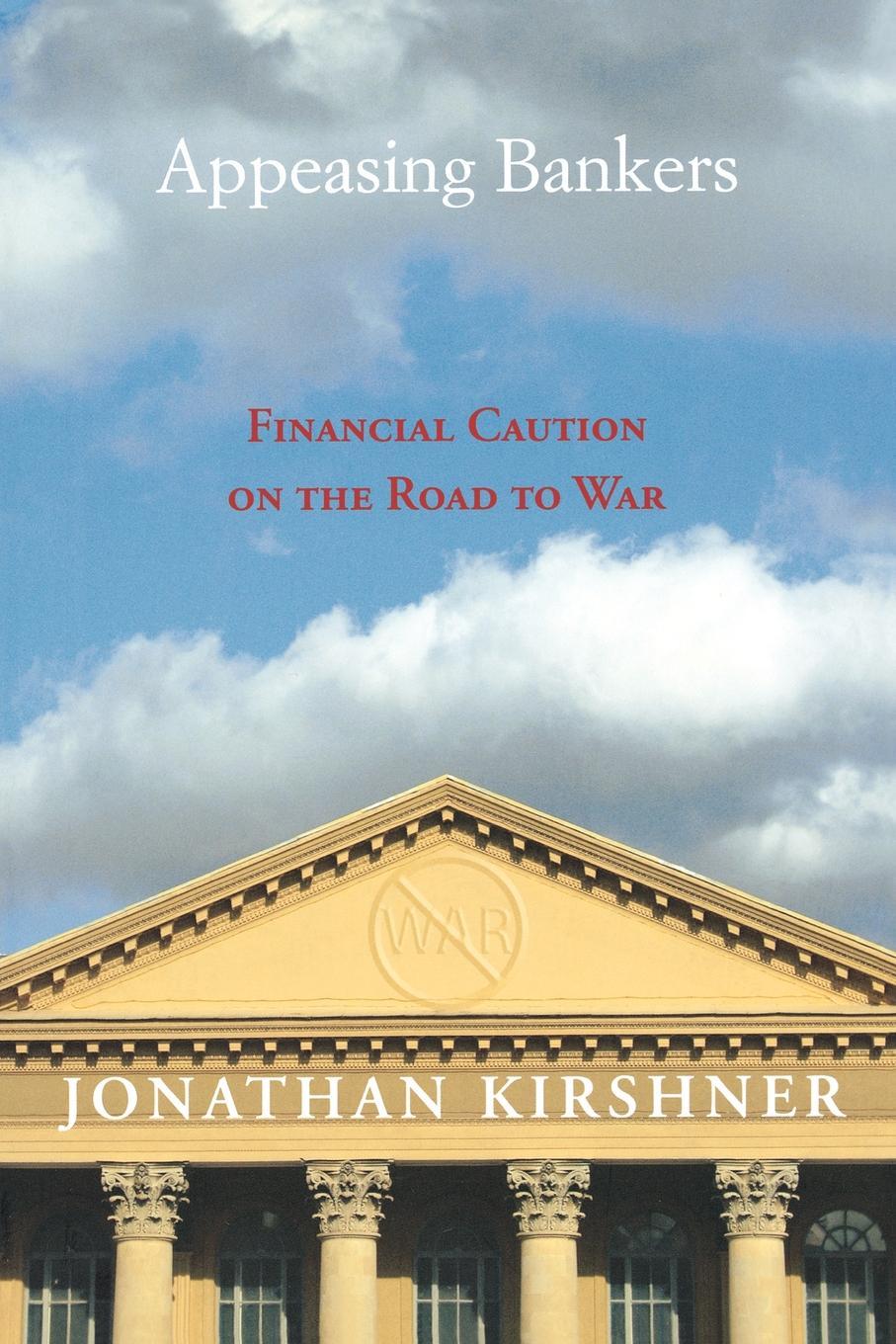
In Appeasing Bankers, Jonathan Kirshner shows that bankers dread war--an aversion rooted in pragmatism, not idealism. "Sound money, not war" is hardly a pacifist rallying cry. The financial world values economic stability above all else, and crises and war threaten that stability. States that pursue appeasement when assertiveness--or even conflict--is warranted, Kirshner demonstrates, are often appeasing their own bankers. And these realities are increasingly shaping state strategy in a world of global financial markets. Yet the role of these financial preferences in world politics has been widely misunderstood and underappreciated. Liberal scholars have tended to lump finance together with other commercial groups; theorists of imperialism (including, most famously, Lenin) have misunderstood the preferences of finance; and realist scholars have failed to appreciate how the national interest, and proposals to advance it, are debated and contested by actors within societies. Finance's interest in peace is both pronounced and predictable, regardless of time or place. Bankers, Kirshner shows, have even opposed assertive foreign policies when caution seems to go against their nation's interest (as in interwar France) or their own long-term political interest (as during the Falklands crisis, when British bankers failed to support their ally Margaret Thatcher). Examining these and other cases, including the Spanish-American War, interwar Japan, and the United States during the Cold War, Appeasing Bankers shows that, when faced with the prospect of war or international political crisis, national financial communities favor caution and demonstrate a marked aversion to war.
Before Memmo my notes were scattered across PDFs. Now a workspace pulls everything into one place — I see exactly what's still left to study.
Memmo's summaries are gold before exams. I don't have to re-read 800 pages two weeks before — just the important parts.
The AI chat has saved me the night before an exam more than once. I just keep asking until I get it — no waiting on a study group to reply.
The quizzes hit exactly what I need to know. Memmo tracks what I get stuck on — so I only practice what's worth it.
Flashcards with spaced repetition are magic. Memmo knows when I'm about to forget something and brings it back.
The AI podcasts are my favorite. I listen on my way to school and get a recap without sitting at a computer.

Handbok i kvalitativa metoder
281 kr

Hållbar utveckling: en introduktion för ingenjörer och andra problemlösare
334 kr

Brymans Samhällsvetenskapliga metoder
390 kr

Projektledning
491 kr

Den orättvisa hälsan: om socioekonomiska skillnader i hälsa och livslängd
326 kr

Organizational Leadership
429 kr

Vetenskapsteori för nybörjare
196 kr

På väg mot läraryrket
172 kr

Det sociala livet i skolan: Socialpsykologiska perspektiv
253 kr

Betygsättningens didaktik
151 kr

Personality
402 kr

Studying Leadership
404 kr

Managing Innovation
477 kr

Introduktion till samhällsvetenskaplig metod
347 kr

The Psychology of Sex and Gender
698 kr

Evidens och kunskap för socialt arbete
207 kr

Introduction to Leadership
605 kr