
Before Memmo my notes were scattered across PDFs. Now a workspace pulls everything into one place — I see exactly what's still left to study.
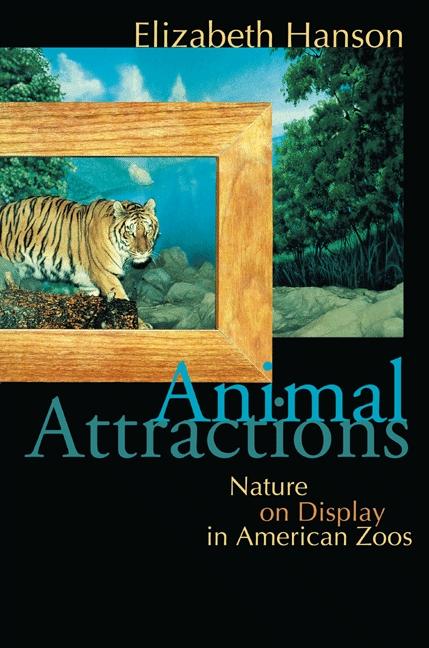
On a rainy day in May 1988, a lowland gorilla named Willie B. stepped outdoors for the first time in twenty-seven years, into a new landscape immersion exhibit. Born in Africa, Willie B. had been captured by an animal collector and sold to a zoo. During the decades he spent in a cage, zoos stopped collecting animals from the wild and Americans changed the ways they wished to view animals in the zoo. Zoos developed new displays to simulate landscapes like the Amazon River basin and African forests. Exhibits similar to animals' natural habitats began to replace old-fashioned animal houses.
But such displays are only the most recent effort of zoos to present their audiences with an authentic experience of nature. Since the first zoological park opened in the United States in Philadelphia in 1874, zoos have promised their visitors a journey into the natural world. And for more than a century they have been popular places for education and recreation: every year more than 130 million Americans go to zoos to look at the animals and enjoy a day outdoors.
The first book-length history of American zoos, Animal Attractions examines the meaning of nature in the city by looking at the ways zoos have assembled and displayed their animal collections. Situated literally and culturally in the American middle landscape, zoos are concrete expressions of longstanding tensions between wildness and civilization, science and popular culture, education and entertainment. In their efforts to promote nature appreciation, they reveal much about how our culture envisions the natural world and the human place in it and how these ideas have changed.
Before Memmo my notes were scattered across PDFs. Now a workspace pulls everything into one place — I see exactly what's still left to study.
Memmo's summaries are gold before exams. I don't have to re-read 800 pages two weeks before — just the important parts.
The AI chat has saved me the night before an exam more than once. I just keep asking until I get it — no waiting on a study group to reply.
The quizzes hit exactly what I need to know. Memmo tracks what I get stuck on — so I only practice what's worth it.
Flashcards with spaced repetition are magic. Memmo knows when I'm about to forget something and brings it back.
The AI podcasts are my favorite. I listen on my way to school and get a recap without sitting at a computer.

Handbok i kvalitativa metoder
281 kr

Hållbar utveckling: en introduktion för ingenjörer och andra problemlösare
334 kr

Brymans Samhällsvetenskapliga metoder
390 kr

Projektledning
491 kr

Den orättvisa hälsan: om socioekonomiska skillnader i hälsa och livslängd
326 kr

Organizational Leadership
429 kr

Vetenskapsteori för nybörjare
196 kr

På väg mot läraryrket
172 kr

Det sociala livet i skolan: Socialpsykologiska perspektiv
253 kr

Betygsättningens didaktik
151 kr

Personality
402 kr

Studying Leadership
404 kr

Managing Innovation
477 kr

Introduktion till samhällsvetenskaplig metod
347 kr

The Psychology of Sex and Gender
698 kr

Evidens och kunskap för socialt arbete
207 kr

Introduction to Leadership
605 kr