
Before Memmo my notes were scattered across PDFs. Now a workspace pulls everything into one place — I see exactly what's still left to study.
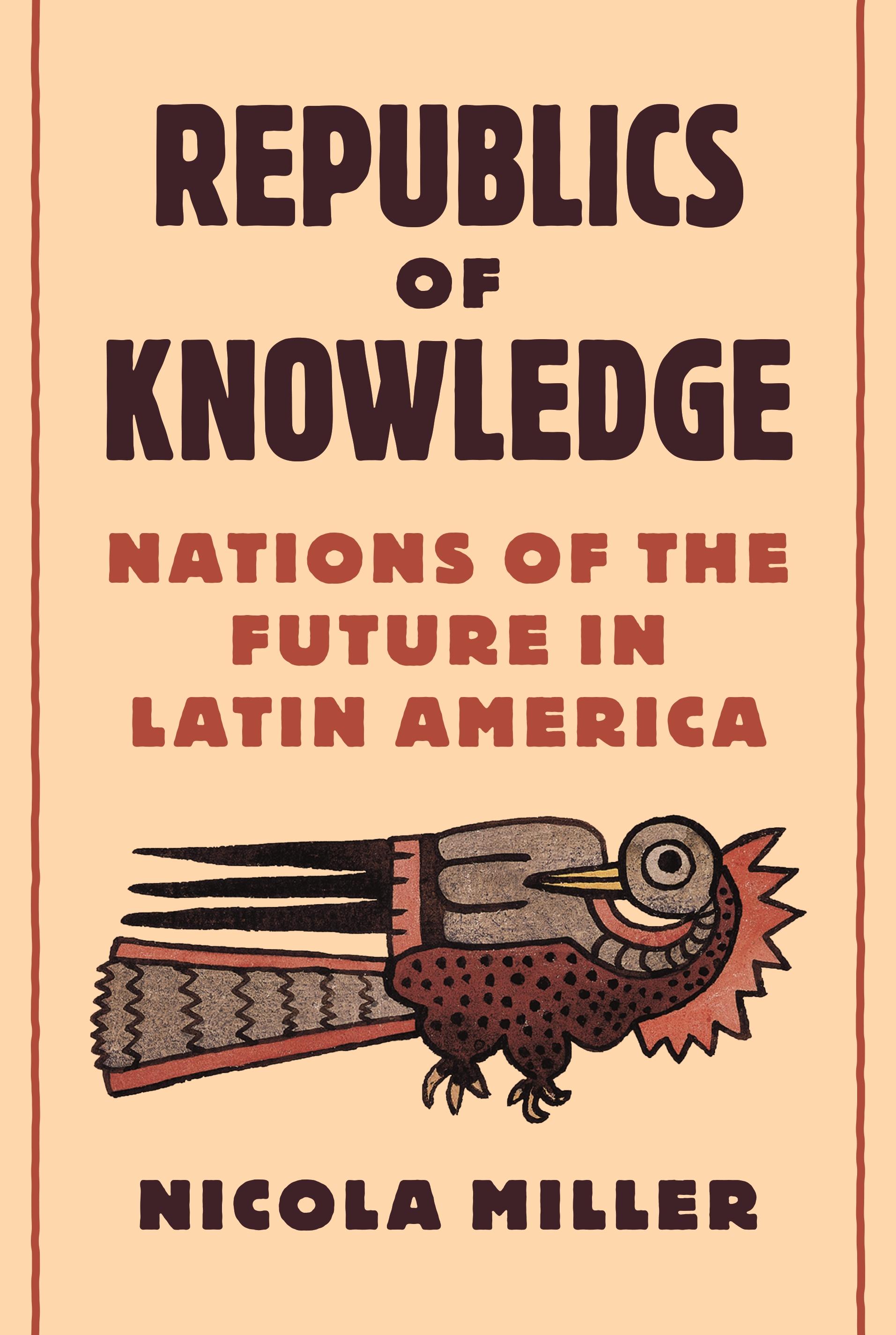
An enlightening account of the entwined histories of knowledge and nationhood in Latin America—and beyond
The rise of nation-states is a hallmark of the modern age, yet we are still untangling how the phenomenon unfolded across the globe. Here, Nicola Miller offers new insights into the process of nation-making through an account of nineteenth-century Latin America, where, she argues, the identity of nascent republics was molded through previously underappreciated means: the creation and sharing of knowledge.
Drawing evidence from Argentina, Chile, and Peru, Republics of Knowledge traces the histories of these countries from the early 1800s, as they gained independence, to their centennial celebrations in the twentieth century. Miller identifies how public exchange of ideas affected policymaking, the emergence of a collective identity, and more. She finds that instead of defining themselves through language or culture, these new nations united citizens under the promise of widespread access to modern information. Miller challenges the narrative that modernization was a strictly North Atlantic affair, demonstrating that knowledge traveled both ways between Latin America and Europe. And she looks at how certain forms of knowledge came to be seen as more legitimate and valuable than others, both locally and globally. Miller ultimately suggests that all modern nations can be viewed as communities of shared knowledge, a perspective with the power to reshape our conception of the very basis of nationhood.
With its transnational framework and cross-disciplinary approach, Republics of Knowledge opens new avenues for understanding the histories of modern nations—and the foundations of modernity—the world over.
Before Memmo my notes were scattered across PDFs. Now a workspace pulls everything into one place — I see exactly what's still left to study.
Memmo's summaries are gold before exams. I don't have to re-read 800 pages two weeks before — just the important parts.
The AI chat has saved me the night before an exam more than once. I just keep asking until I get it — no waiting on a study group to reply.
The quizzes hit exactly what I need to know. Memmo tracks what I get stuck on — so I only practice what's worth it.
Flashcards with spaced repetition are magic. Memmo knows when I'm about to forget something and brings it back.
The AI podcasts are my favorite. I listen on my way to school and get a recap without sitting at a computer.

Handbok i kvalitativa metoder
281 kr

Hållbar utveckling: en introduktion för ingenjörer och andra problemlösare
334 kr

Brymans Samhällsvetenskapliga metoder
390 kr

Projektledning
491 kr

Den orättvisa hälsan: om socioekonomiska skillnader i hälsa och livslängd
326 kr

Vetenskapsteori för nybörjare
196 kr

Organizational Leadership
429 kr

På väg mot läraryrket
172 kr

Det sociala livet i skolan: Socialpsykologiska perspektiv
253 kr

Betygsättningens didaktik
151 kr

Personality
402 kr

Studying Leadership
404 kr

Managing Innovation
477 kr

Introduktion till samhällsvetenskaplig metod
347 kr

The Psychology of Sex and Gender
698 kr

Evidens och kunskap för socialt arbete
207 kr

Introduction to Leadership
605 kr