
Before Memmo my notes were scattered across PDFs. Now a workspace pulls everything into one place — I see exactly what's still left to study.
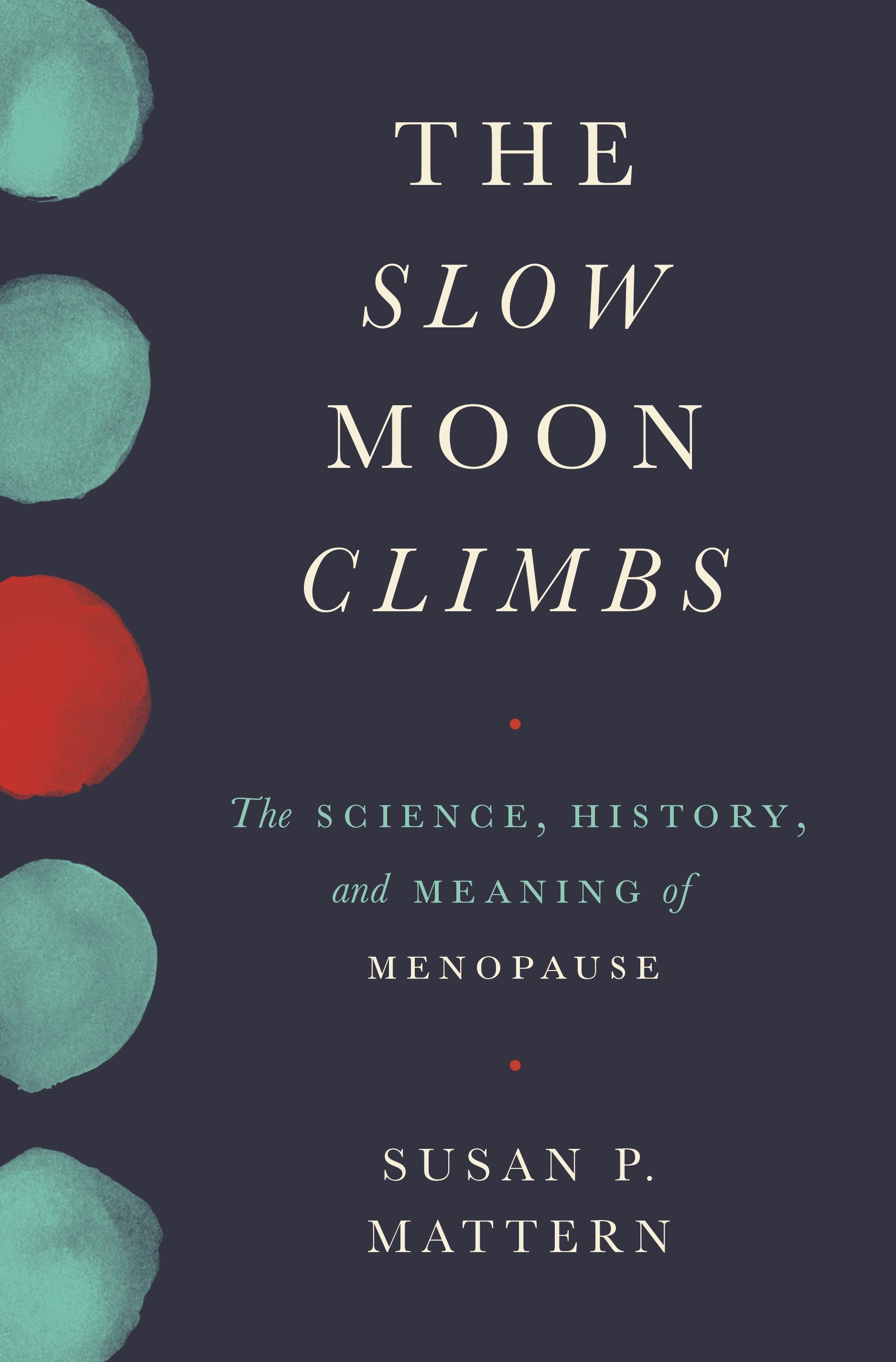
The first comprehensive look at menopause from prehistory to today
Are the ways we look at menopause all wrong? Historian Susan Mattern says yes, and The Slow Moon Climbs reveals just how wrong we have been. Taking readers from the rainforests of Paraguay to the streets of Tokyo, Mattern draws on historical, scientific, and cultural research to reveal how our perceptions of menopause developed from prehistory to today. For most of human history, people had no word for menopause and did not view it as a medical condition. Rather, in traditional foraging and agrarian societies, it was a transition to another important life stage. This book, then, introduces new ways of understanding life beyond fertility.
Mattern examines the fascinating "Grandmother Hypothesis"—which argues for the importance of elders in the rearing of future generations—as well as other evolutionary theories that have generated surprising insights about menopause and the place of older people in society. She looks at agricultural communities where households relied on postreproductive women for the family's survival. And she explores the emergence of menopause as a medical condition in the Western world. It was only around 1700 that people began to see menopause as a dangerous pathological disorder linked to upsetting symptoms that rendered women weak and vulnerable. Mattern argues that menopause was another syndrome, like hysterical suffocation or melancholia, that emerged or reemerged in early modern Europe in tandem with the rise of a professional medical class.
The Slow Moon Climbs casts menopause, at last, in the positive light it deserves—not only as an essential life stage, but also as a key factor in the history of human flourishing.
Before Memmo my notes were scattered across PDFs. Now a workspace pulls everything into one place — I see exactly what's still left to study.
Memmo's summaries are gold before exams. I don't have to re-read 800 pages two weeks before — just the important parts.
The AI chat has saved me the night before an exam more than once. I just keep asking until I get it — no waiting on a study group to reply.
The quizzes hit exactly what I need to know. Memmo tracks what I get stuck on — so I only practice what's worth it.
Flashcards with spaced repetition are magic. Memmo knows when I'm about to forget something and brings it back.
The AI podcasts are my favorite. I listen on my way to school and get a recap without sitting at a computer.

Handbok i kvalitativa metoder
281 kr

Hållbar utveckling: en introduktion för ingenjörer och andra problemlösare
334 kr

Brymans Samhällsvetenskapliga metoder
390 kr

Projektledning
491 kr

Den orättvisa hälsan: om socioekonomiska skillnader i hälsa och livslängd
326 kr

Organizational Leadership
429 kr

Vetenskapsteori för nybörjare
196 kr

På väg mot läraryrket
172 kr

Det sociala livet i skolan: Socialpsykologiska perspektiv
253 kr

Betygsättningens didaktik
151 kr

Personality
402 kr

Studying Leadership
404 kr

Managing Innovation
477 kr

Introduktion till samhällsvetenskaplig metod
347 kr

The Psychology of Sex and Gender
698 kr

Evidens och kunskap för socialt arbete
207 kr

Introduction to Leadership
605 kr