
Before Memmo my notes were scattered across PDFs. Now a workspace pulls everything into one place — I see exactly what's still left to study.
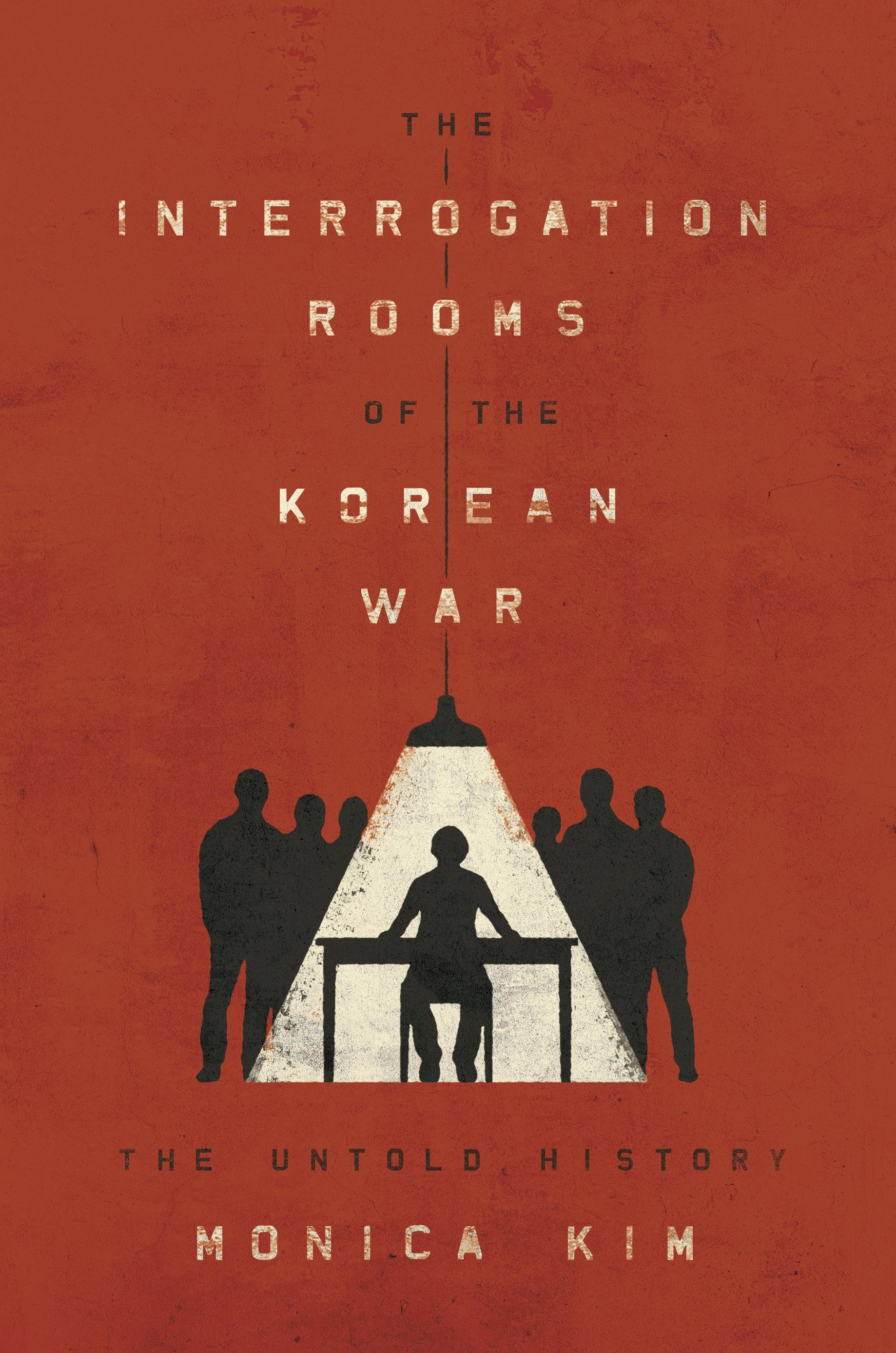
A groundbreaking look at how the interrogation rooms of the Korean War set the stage for a new kind of battle—not over land but over human subjects
Traditional histories of the Korean War have long focused on violations of the thirty-eighth parallel, the line drawn by American and Soviet officials in 1945 dividing the Korean peninsula. But The Interrogation Rooms of the Korean War presents an entirely new narrative, shifting the perspective from the boundaries of the battlefield to inside the interrogation room. Upending conventional notions of what we think of as geographies of military conflict, Monica Kim demonstrates how the Korean War evolved from a fight over territory to one over human interiority and the individual human subject, forging the template for the US wars of intervention that would predominate during the latter half of the twentieth century and beyond.
Kim looks at how, during the armistice negotiations, the United States and their allies proposed a new kind of interrogation room: one in which POWs could exercise their “free will” and choose which country they would go to after the ceasefire. The global controversy that erupted exposed how interrogation rooms had become a flashpoint for the struggles between the ambitions of empire and the demands for decolonization, as the aim of interrogation was to produce subjects who attested to a nation’s right to govern. The complex web of interrogators and prisoners—Japanese-American interrogators, Indian military personnel, Korean POWs and interrogators, and American POWs—that Kim uncovers contradicts the simple story in US popular memory of “brainwashing” during the Korean War.
Bringing together a vast range of sources that track two generations of people moving between three continents, The Interrogation Rooms of the Korean War delves into an essential yet overlooked aspect of modern warfare in the twentieth century.
Before Memmo my notes were scattered across PDFs. Now a workspace pulls everything into one place — I see exactly what's still left to study.
Memmo's summaries are gold before exams. I don't have to re-read 800 pages two weeks before — just the important parts.
The AI chat has saved me the night before an exam more than once. I just keep asking until I get it — no waiting on a study group to reply.
The quizzes hit exactly what I need to know. Memmo tracks what I get stuck on — so I only practice what's worth it.
Flashcards with spaced repetition are magic. Memmo knows when I'm about to forget something and brings it back.
The AI podcasts are my favorite. I listen on my way to school and get a recap without sitting at a computer.

Handbok i kvalitativa metoder
281 kr

Hållbar utveckling: en introduktion för ingenjörer och andra problemlösare
334 kr

Brymans Samhällsvetenskapliga metoder
390 kr

Projektledning
491 kr

Den orättvisa hälsan: om socioekonomiska skillnader i hälsa och livslängd
326 kr

Vetenskapsteori för nybörjare
196 kr

Organizational Leadership
429 kr

På väg mot läraryrket
172 kr

Det sociala livet i skolan: Socialpsykologiska perspektiv
253 kr

Betygsättningens didaktik
151 kr

Personality
402 kr

Studying Leadership
404 kr

Managing Innovation
477 kr

Introduktion till samhällsvetenskaplig metod
347 kr

The Psychology of Sex and Gender
698 kr

Evidens och kunskap för socialt arbete
207 kr

Introduction to Leadership
605 kr