
Before Memmo my notes were scattered across PDFs. Now a workspace pulls everything into one place — I see exactly what's still left to study.
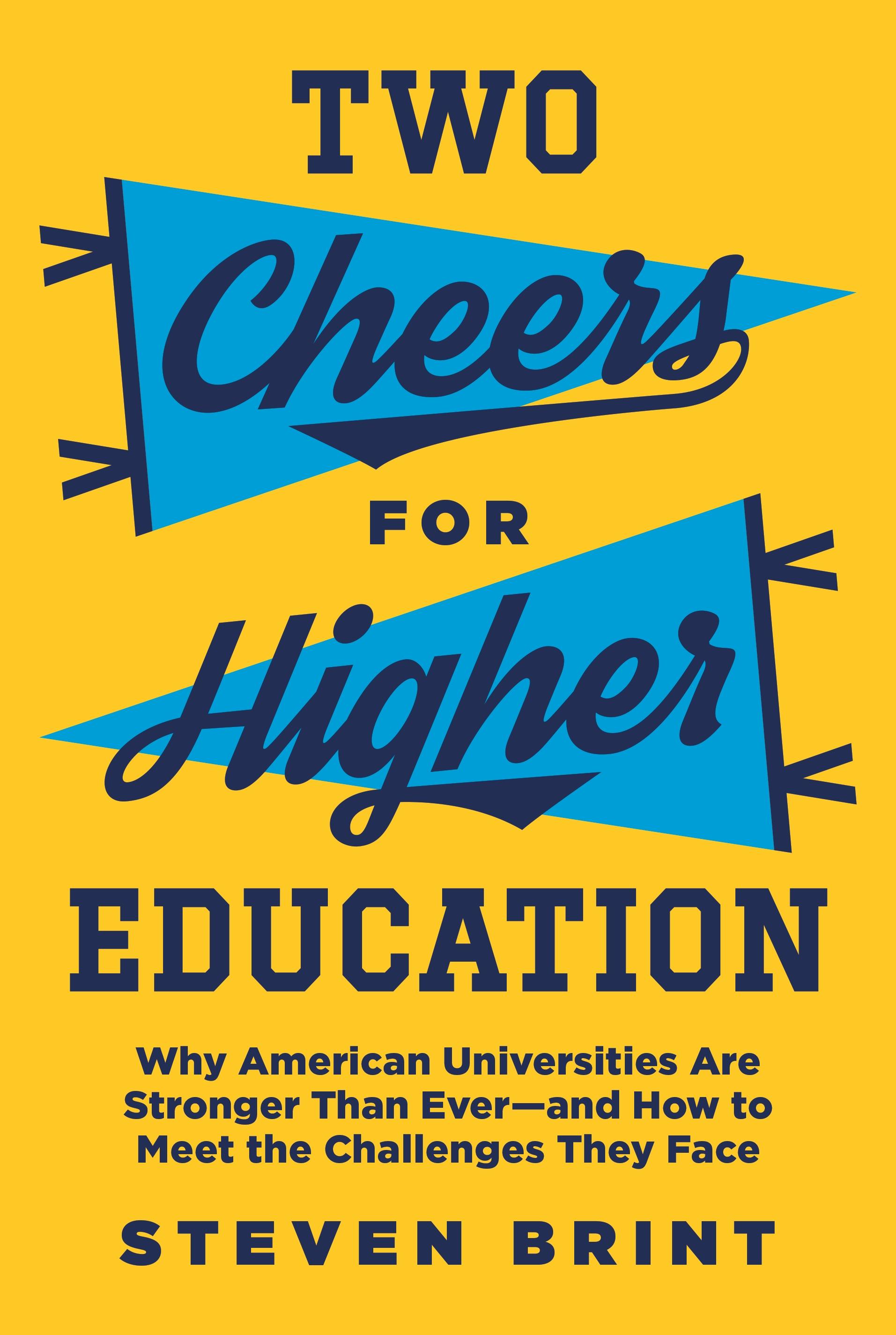
A leading expert challenges the prevailing gloomy outlook on higher education with solid evidence of its successes
Crushing student debt, rapidly eroding state funding, faculty embroiled in speech controversies, a higher-education market disrupted by online competition—today’s headlines suggest that universities’ power to advance knowledge and shape American society is rapidly declining. But Steven Brint, a renowned analyst of academic institutions, has tracked numerous trends demonstrating their vitality. After a recent period that witnessed soaring student enrollment and ample research funding, universities, he argues, are in a better position than ever before.
Focusing on the years 1980–2015, Brint details the trajectory of American universities, which was influenced by evolving standards of disciplinary professionalism, market-driven partnerships (especially with scientific and technological innovators outside the academy), and the goal of social inclusion. Conflicts arose: academic entrepreneurs, for example, flouted their campus responsibilities, and departments faced backlash over the hiring of scholars with nontraditional research agendas. Nevertheless, educators’ commitments to technological innovation and social diversity prevailed and created a new dynamism.
Brint documents these successes along with the challenges that result from rapid change. Today, knowledge-driven industries generate almost half of U.S. GDP, but divisions by educational level split the American political order. Students flock increasingly to fields connected to the power centers of American life and steer away from the liberal arts. And opportunities for economic mobility are expanding even as academic expectations decline.
In describing how universities can meet such challenges head on, especially in improving classroom learning, Brint offers not only a clear-eyed perspective on the current state of American higher education but also a pragmatically optimistic vision for the future.
Before Memmo my notes were scattered across PDFs. Now a workspace pulls everything into one place — I see exactly what's still left to study.
Memmo's summaries are gold before exams. I don't have to re-read 800 pages two weeks before — just the important parts.
The AI chat has saved me the night before an exam more than once. I just keep asking until I get it — no waiting on a study group to reply.
The quizzes hit exactly what I need to know. Memmo tracks what I get stuck on — so I only practice what's worth it.
Flashcards with spaced repetition are magic. Memmo knows when I'm about to forget something and brings it back.
The AI podcasts are my favorite. I listen on my way to school and get a recap without sitting at a computer.

Handbok i kvalitativa metoder
281 kr

Hållbar utveckling: en introduktion för ingenjörer och andra problemlösare
334 kr

Brymans Samhällsvetenskapliga metoder
390 kr

Projektledning
491 kr

Den orättvisa hälsan: om socioekonomiska skillnader i hälsa och livslängd
326 kr

Vetenskapsteori för nybörjare
196 kr

Organizational Leadership
429 kr

På väg mot läraryrket
172 kr

Det sociala livet i skolan: Socialpsykologiska perspektiv
253 kr

Betygsättningens didaktik
151 kr

Personality
402 kr

Studying Leadership
404 kr

Managing Innovation
477 kr

Introduktion till samhällsvetenskaplig metod
347 kr

The Psychology of Sex and Gender
698 kr

Evidens och kunskap för socialt arbete
207 kr

Introduction to Leadership
605 kr