
Before Memmo my notes were scattered across PDFs. Now a workspace pulls everything into one place — I see exactly what's still left to study.
The troubling ethics and politics of philanthropy
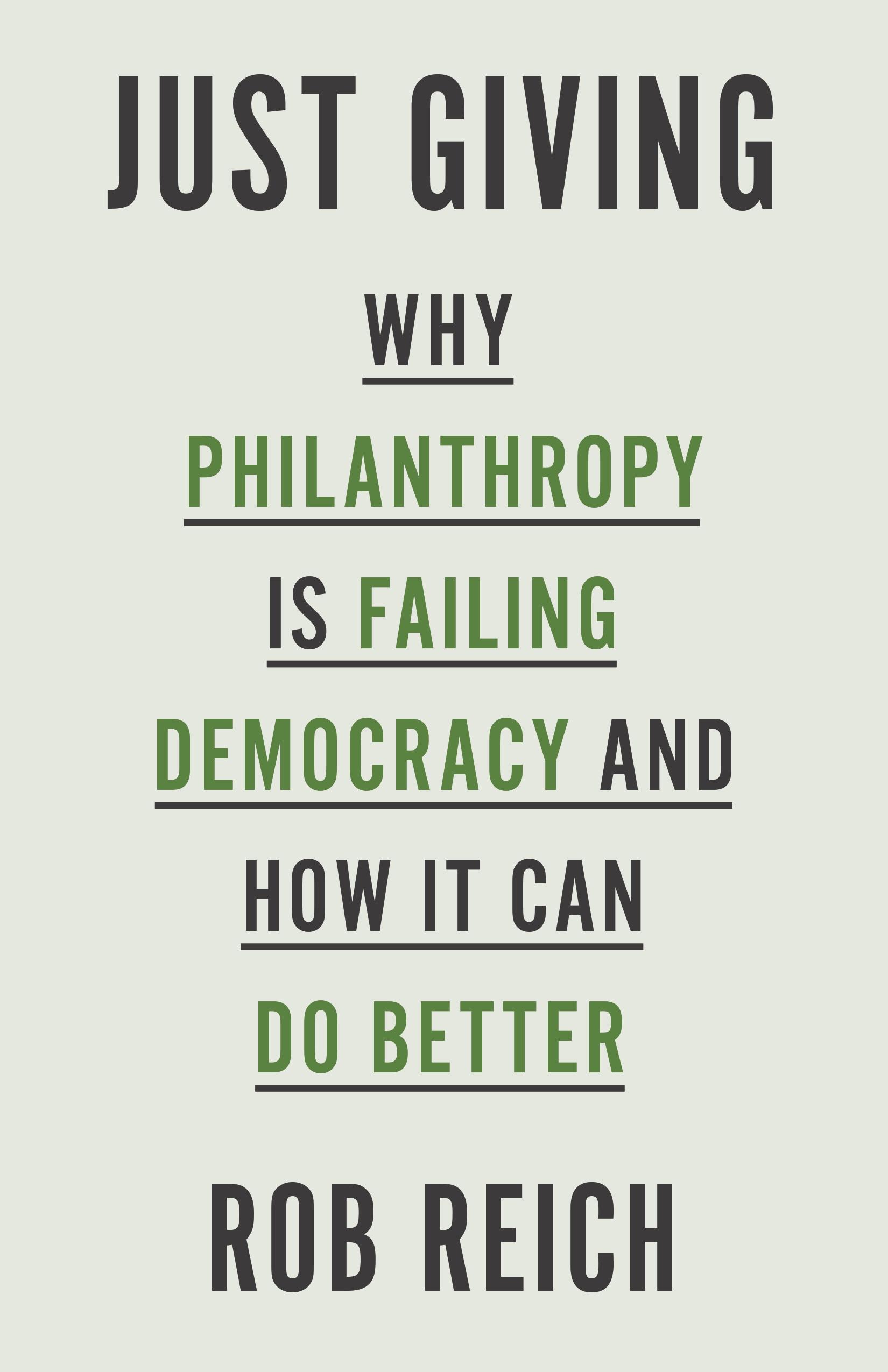
Is philanthropy, by its very nature, a threat to today’s democracy? Though we may laud wealthy individuals who give away their money for society’s benefit, Just Giving shows how such generosity not only isn’t the unassailable good we think it to be but might also undermine democratic values and set back aspirations of justice. Big philanthropy is often an exercise of power, the conversion of private assets into public influence. And it is a form of power that is largely unaccountable, often perpetual, and lavishly tax-advantaged. The affluent—and their foundations—reap vast benefits even as they influence policy without accountability. And small philanthropy, or ordinary charitable giving, can be problematic as well. Charity, it turns out, does surprisingly little to provide for those in need and sometimes worsens inequality.
These outcomes are shaped by the policies that define and structure philanthropy. When, how much, and to whom people give is influenced by laws governing everything from the creation of foundations and nonprofits to generous tax exemptions for donations of money and property. Rob Reich asks: What attitude and what policies should democracies have concerning individuals who give money away for public purposes? Philanthropy currently fails democracy in many ways, but Reich argues that it can be redeemed. Differentiating between individual philanthropy and private foundations, the aims of mass giving should be the decentralization of power in the production of public goods, such as the arts, education, and science. For foundations, the goal should be what Reich terms “discovery,” or long-time-horizon innovations that enhance democratic experimentalism. Philanthropy, when properly structured, can play a crucial role in supporting a strong liberal democracy.
Just Giving investigates the ethical and political dimensions of philanthropy and considers how giving might better support democratic values and promote justice.
Before Memmo my notes were scattered across PDFs. Now a workspace pulls everything into one place — I see exactly what's still left to study.
Memmo's summaries are gold before exams. I don't have to re-read 800 pages two weeks before — just the important parts.
The AI chat has saved me the night before an exam more than once. I just keep asking until I get it — no waiting on a study group to reply.
The quizzes hit exactly what I need to know. Memmo tracks what I get stuck on — so I only practice what's worth it.
Flashcards with spaced repetition are magic. Memmo knows when I'm about to forget something and brings it back.
The AI podcasts are my favorite. I listen on my way to school and get a recap without sitting at a computer.

Handbok i kvalitativa metoder
281 kr

Hållbar utveckling: en introduktion för ingenjörer och andra problemlösare
334 kr

Brymans Samhällsvetenskapliga metoder
390 kr

Projektledning
491 kr

Den orättvisa hälsan: om socioekonomiska skillnader i hälsa och livslängd
326 kr

Organizational Leadership
429 kr

Vetenskapsteori för nybörjare
196 kr

På väg mot läraryrket
172 kr

Det sociala livet i skolan: Socialpsykologiska perspektiv
253 kr

Betygsättningens didaktik
151 kr

Personality
402 kr

Studying Leadership
404 kr

Managing Innovation
477 kr

Introduktion till samhällsvetenskaplig metod
347 kr

The Psychology of Sex and Gender
698 kr

Evidens och kunskap för socialt arbete
207 kr

Introduction to Leadership
605 kr