
Before Memmo my notes were scattered across PDFs. Now a workspace pulls everything into one place — I see exactly what's still left to study.
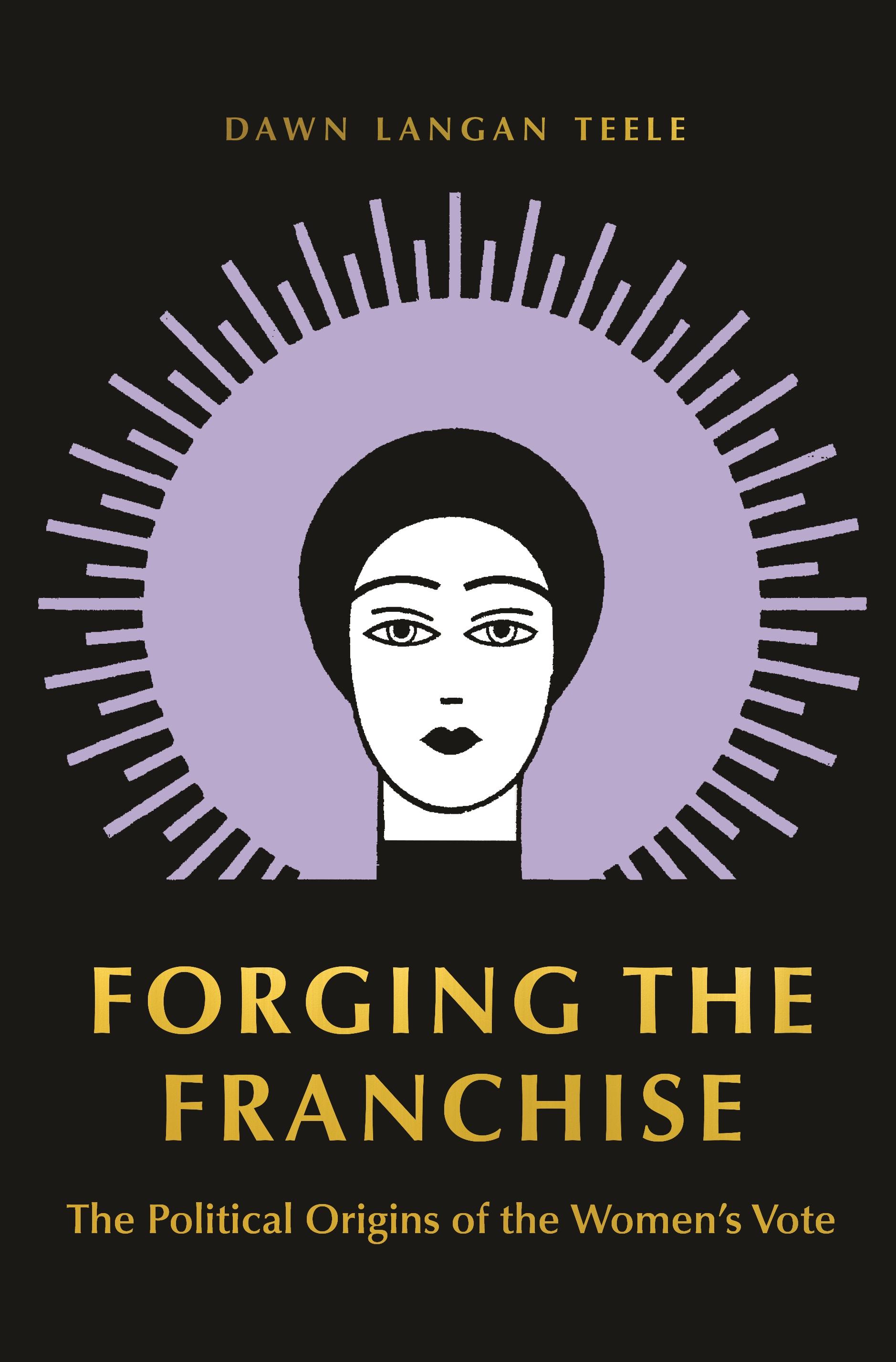
The important political motivations behind why women finally won the right to vote
In the 1880s, women were barred from voting in all national-level elections, but by 1920 they were going to the polls in nearly thirty countries. What caused this massive change? Why did male politicians agree to extend voting rights to women? Contrary to conventional wisdom, it was not because of progressive ideas about women or suffragists’ pluck. In most countries, elected politicians fiercely resisted enfranchising women, preferring to extend such rights only when it seemed electorally prudent and in fact necessary to do so. Through a careful examination of the tumultuous path to women’s political inclusion in the United States, France, and the United Kingdom, Forging the Franchise demonstrates that the formation of a broad movement across social divides, and strategic alliances with political parties in competitive electoral conditions, provided the leverage that ultimately transformed women into voters.
As Dawn Teele shows, in competitive environments, politicians had incentives to seek out new sources of electoral influence. A broad-based suffrage movement could reinforce those incentives by providing information about women’s preferences, and an infrastructure with which to mobilize future female voters. At the same time that politicians wanted to enfranchise women who were likely to support their party, suffragists also wanted to enfranchise women whose political preferences were similar to theirs. In contexts where political rifts were too deep, suffragists who were in favor of the vote in principle mobilized against their own political emancipation.
Exploring tensions between elected leaders and suffragists and the uncertainty surrounding women as an electoral group, Forging the Franchise sheds new light on the strategic reasons behind women’s enfranchisement.
Before Memmo my notes were scattered across PDFs. Now a workspace pulls everything into one place — I see exactly what's still left to study.
Memmo's summaries are gold before exams. I don't have to re-read 800 pages two weeks before — just the important parts.
The AI chat has saved me the night before an exam more than once. I just keep asking until I get it — no waiting on a study group to reply.
The quizzes hit exactly what I need to know. Memmo tracks what I get stuck on — so I only practice what's worth it.
Flashcards with spaced repetition are magic. Memmo knows when I'm about to forget something and brings it back.
The AI podcasts are my favorite. I listen on my way to school and get a recap without sitting at a computer.

Handbok i kvalitativa metoder
281 kr

Hållbar utveckling: en introduktion för ingenjörer och andra problemlösare
334 kr

Brymans Samhällsvetenskapliga metoder
390 kr

Projektledning
491 kr

Den orättvisa hälsan: om socioekonomiska skillnader i hälsa och livslängd
326 kr

Organizational Leadership
429 kr

Vetenskapsteori för nybörjare
196 kr

På väg mot läraryrket
172 kr

Det sociala livet i skolan: Socialpsykologiska perspektiv
253 kr

Betygsättningens didaktik
151 kr

Personality
402 kr

Studying Leadership
404 kr

Managing Innovation
477 kr

Introduktion till samhällsvetenskaplig metod
347 kr

The Psychology of Sex and Gender
698 kr

Evidens och kunskap för socialt arbete
207 kr

Introduction to Leadership
605 kr