
Before Memmo my notes were scattered across PDFs. Now a workspace pulls everything into one place — I see exactly what's still left to study.
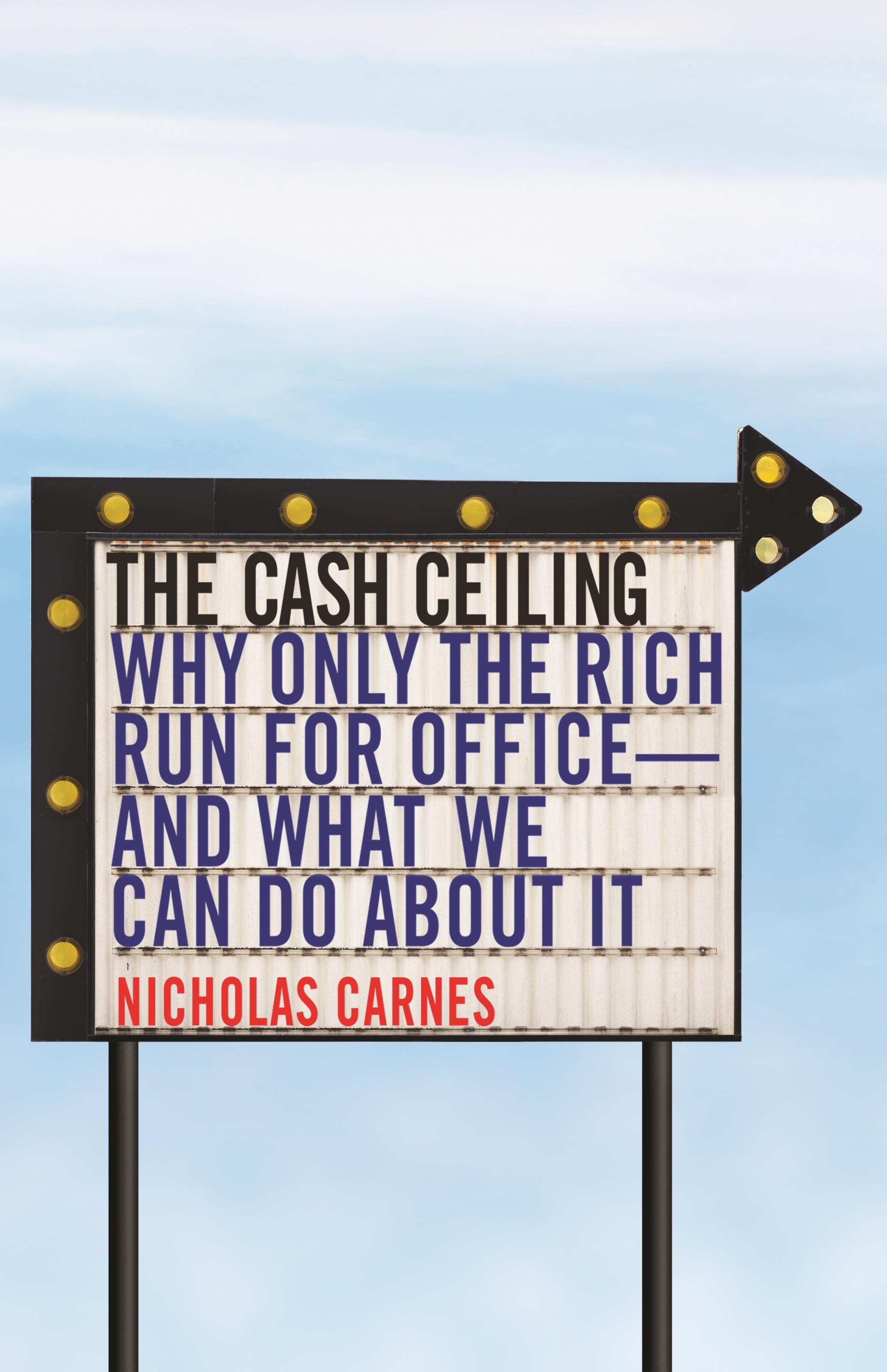
Why working-class Americans almost never become politicians, what that means for democracy, and what reformers can do about it
Why are Americans governed by the rich? Millionaires make up only three percent of the public but control all three branches of the federal government. How did this happen? What stops lower-income and working-class Americans from becoming politicians? The first book to answer these urgent questions, The Cash Ceiling provides a compelling and comprehensive account of why so few working-class people hold office—and what reformers can do about it.
Using extensive data on candidates, politicians, party leaders, and voters, Nicholas Carnes debunks popular misconceptions (like the idea that workers are unelectable or unqualified to govern), identifies the factors that keep lower-class Americans off the ballot and out of political institutions, and evaluates a variety of reform proposals.
In the United States, Carnes shows, elections have a built-in “cash ceiling,” a series of structural barriers that make it almost impossible for the working-class to run for public office. Elections take a serious toll on candidates, many working-class Americans simply can’t shoulder the practical burdens, and civic and political leaders often pass them over in favor of white-collar candidates. But these obstacles aren’t inevitable. Pilot programs to recruit, train, and support working-class candidates have the potential to increase the economic diversity of our governing institutions and ultimately amplify the voices of ordinary citizens.
Who runs for office goes to the heart of whether we will have a democracy that is representative or not. The Cash Ceiling shows that the best hope for combating the oversized political influence of the rich might simply be to help more working-class Americans become politicians.
Before Memmo my notes were scattered across PDFs. Now a workspace pulls everything into one place — I see exactly what's still left to study.
Memmo's summaries are gold before exams. I don't have to re-read 800 pages two weeks before — just the important parts.
The AI chat has saved me the night before an exam more than once. I just keep asking until I get it — no waiting on a study group to reply.
The quizzes hit exactly what I need to know. Memmo tracks what I get stuck on — so I only practice what's worth it.
Flashcards with spaced repetition are magic. Memmo knows when I'm about to forget something and brings it back.
The AI podcasts are my favorite. I listen on my way to school and get a recap without sitting at a computer.

Handbok i kvalitativa metoder
281 kr

Hållbar utveckling: en introduktion för ingenjörer och andra problemlösare
334 kr

Brymans Samhällsvetenskapliga metoder
390 kr

Projektledning
491 kr

Den orättvisa hälsan: om socioekonomiska skillnader i hälsa och livslängd
326 kr

Organizational Leadership
429 kr

Vetenskapsteori för nybörjare
196 kr

På väg mot läraryrket
172 kr

Det sociala livet i skolan: Socialpsykologiska perspektiv
253 kr

Betygsättningens didaktik
151 kr

Personality
402 kr

Studying Leadership
404 kr

Managing Innovation
477 kr

Introduktion till samhällsvetenskaplig metod
347 kr

The Psychology of Sex and Gender
698 kr

Evidens och kunskap för socialt arbete
207 kr

Introduction to Leadership
605 kr