
Before Memmo my notes were scattered across PDFs. Now a workspace pulls everything into one place — I see exactly what's still left to study.
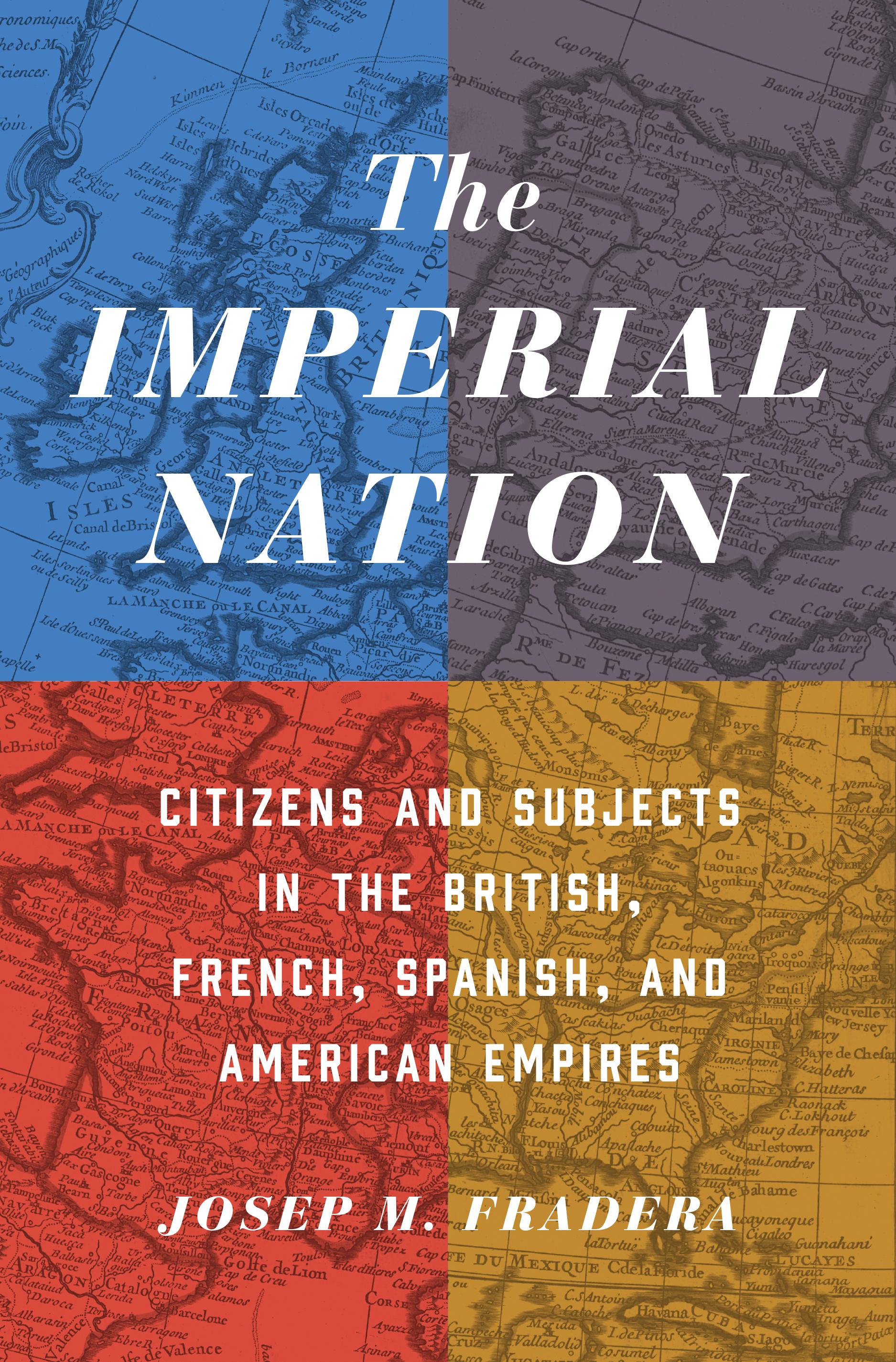
How the legacy of monarchical empires shaped Britain, France, Spain, and the United States as they became liberal entities
Historians view the late eighteenth and early nineteenth centuries as a turning point when imperial monarchies collapsed and modern nations emerged. Treating this pivotal moment as a bridge rather than a break, The Imperial Nation offers a sweeping examination of four of these modern powers—Great Britain, France, Spain, and the United States—and asks how, after the great revolutionary cycle in Europe and America, the history of monarchical empires shaped these new nations. Josep Fradera explores this transition, paying particular attention to the relations between imperial centers and their sovereign territories and the constant and changing distinctions placed between citizens and subjects.
Fradera argues that the essential struggle that lasted from the Seven Years’ War to the twentieth century was over the governance of dispersed and varied peoples: each empire tried to ensure domination through subordinate representation or by denying any representation at all. The most common approach echoed Napoleon’s “special laws,” which allowed France to reinstate slavery in its Caribbean possessions. The Spanish and Portuguese constitutions adopted “specialness” in the 1830s; the United States used comparable guidelines to distinguish between states, territories, and Indian reservations; and the British similarly ruled their dominions and colonies. In all these empires, the mix of indigenous peoples, European-origin populations, slaves and indentured workers, immigrants, and unassimilated social groups led to unequal and hierarchical political relations. Fradera considers not only political and constitutional transformations but also their social underpinnings.
Presenting a fresh perspective on the ways in which nations descended and evolved from and throughout empires, The Imperial Nation highlights the ramifications of this entangled history for the subjects who lived in its shadows.
Before Memmo my notes were scattered across PDFs. Now a workspace pulls everything into one place — I see exactly what's still left to study.
Memmo's summaries are gold before exams. I don't have to re-read 800 pages two weeks before — just the important parts.
The AI chat has saved me the night before an exam more than once. I just keep asking until I get it — no waiting on a study group to reply.
The quizzes hit exactly what I need to know. Memmo tracks what I get stuck on — so I only practice what's worth it.
Flashcards with spaced repetition are magic. Memmo knows when I'm about to forget something and brings it back.
The AI podcasts are my favorite. I listen on my way to school and get a recap without sitting at a computer.

Handbok i kvalitativa metoder
281 kr

Hållbar utveckling: en introduktion för ingenjörer och andra problemlösare
334 kr

Brymans Samhällsvetenskapliga metoder
390 kr

Projektledning
491 kr

Den orättvisa hälsan: om socioekonomiska skillnader i hälsa och livslängd
326 kr

Vetenskapsteori för nybörjare
196 kr

Organizational Leadership
429 kr

På väg mot läraryrket
172 kr

Det sociala livet i skolan: Socialpsykologiska perspektiv
253 kr

Betygsättningens didaktik
151 kr

Personality
402 kr

Studying Leadership
404 kr

Managing Innovation
477 kr

Introduktion till samhällsvetenskaplig metod
347 kr

The Psychology of Sex and Gender
698 kr

Evidens och kunskap för socialt arbete
207 kr

Introduction to Leadership
605 kr