
Before Memmo my notes were scattered across PDFs. Now a workspace pulls everything into one place — I see exactly what's still left to study.
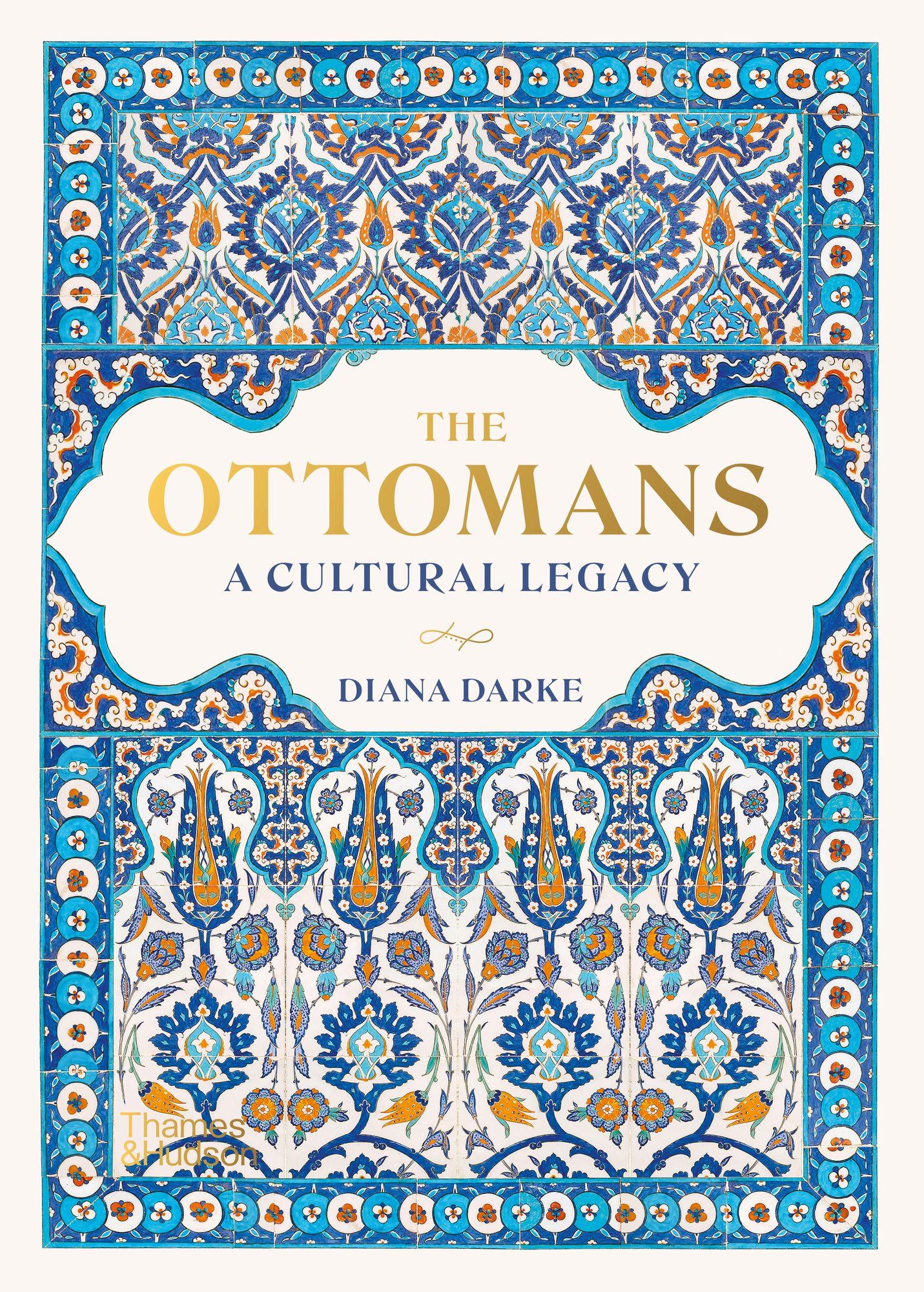
A richly illustrated examination of the Ottoman Empire, 100 years since its dissolution, unraveling its complex cultural legacy and profound impact on Europe, North Africa, and the Middle East.
A hundred years after the abolition of the Ottoman sultanate on November 1, 1922, enough time has passed to reexamine the Ottomans and reassess their legacy. This illustrated volume, by critically acclaimed author Diana Darke, explores their unique achievements in architecture, cuisine, music, science, and medicine, as well as the political challenges they met. The Ottoman Empire faced issues shared by modern European and Middle Eastern countries: how to maintain a balance between religious ideology and secular politics and how to promote fairness and equality among citizens in a multicultural society.
While many still equate the Ottomans with the decadence of Istanbul—extravagant architecture, harems, and hookahs—they are unaware that the secrets of Ottoman success lay in a disciplined bureaucracy and a standing army that both awed and seduced its opponents. The Ottomans harnessed the talents of their diverse populations and quickly buttressed the crumbling edifice of Byzantine Christianity. Their dynamism and resilience helped fuse the cultures of Asia, Europe, and Africa, from the Himalayas to the Sahara, absorbing whatever impressed them, from Mongol armor to Persian tile work. Alongside their essential rigor, they enjoyed the finer aspects of life: in music, cuisine, and art, unafraid, even as rugged fighters, to display their love of flowers and gardens, especially tulips and roses. Behind the fine robes, carpets, and ceramics on display today in their great architectural monuments, Istanbul’s Topkapi Palace and Hagia Sophia, lie centuries of migration, trade, and struggle. In this original and beautifully illustrated book, Darke reveals a radically new picture of the Ottoman Empire
Before Memmo my notes were scattered across PDFs. Now a workspace pulls everything into one place — I see exactly what's still left to study.
Memmo's summaries are gold before exams. I don't have to re-read 800 pages two weeks before — just the important parts.
The AI chat has saved me the night before an exam more than once. I just keep asking until I get it — no waiting on a study group to reply.
The quizzes hit exactly what I need to know. Memmo tracks what I get stuck on — so I only practice what's worth it.
Flashcards with spaced repetition are magic. Memmo knows when I'm about to forget something and brings it back.
The AI podcasts are my favorite. I listen on my way to school and get a recap without sitting at a computer.

Handbok i kvalitativa metoder
281 kr

Hållbar utveckling: en introduktion för ingenjörer och andra problemlösare
334 kr

Brymans Samhällsvetenskapliga metoder
390 kr

Projektledning
491 kr

Den orättvisa hälsan: om socioekonomiska skillnader i hälsa och livslängd
326 kr

Vetenskapsteori för nybörjare
196 kr

Organizational Leadership
429 kr

På väg mot läraryrket
172 kr

Det sociala livet i skolan: Socialpsykologiska perspektiv
253 kr

Betygsättningens didaktik
151 kr

Personality
402 kr

Studying Leadership
404 kr

Managing Innovation
477 kr

Introduktion till samhällsvetenskaplig metod
347 kr

The Psychology of Sex and Gender
698 kr

Evidens och kunskap för socialt arbete
207 kr

Introduction to Leadership
605 kr