
Before Memmo my notes were scattered across PDFs. Now a workspace pulls everything into one place — I see exactly what's still left to study.
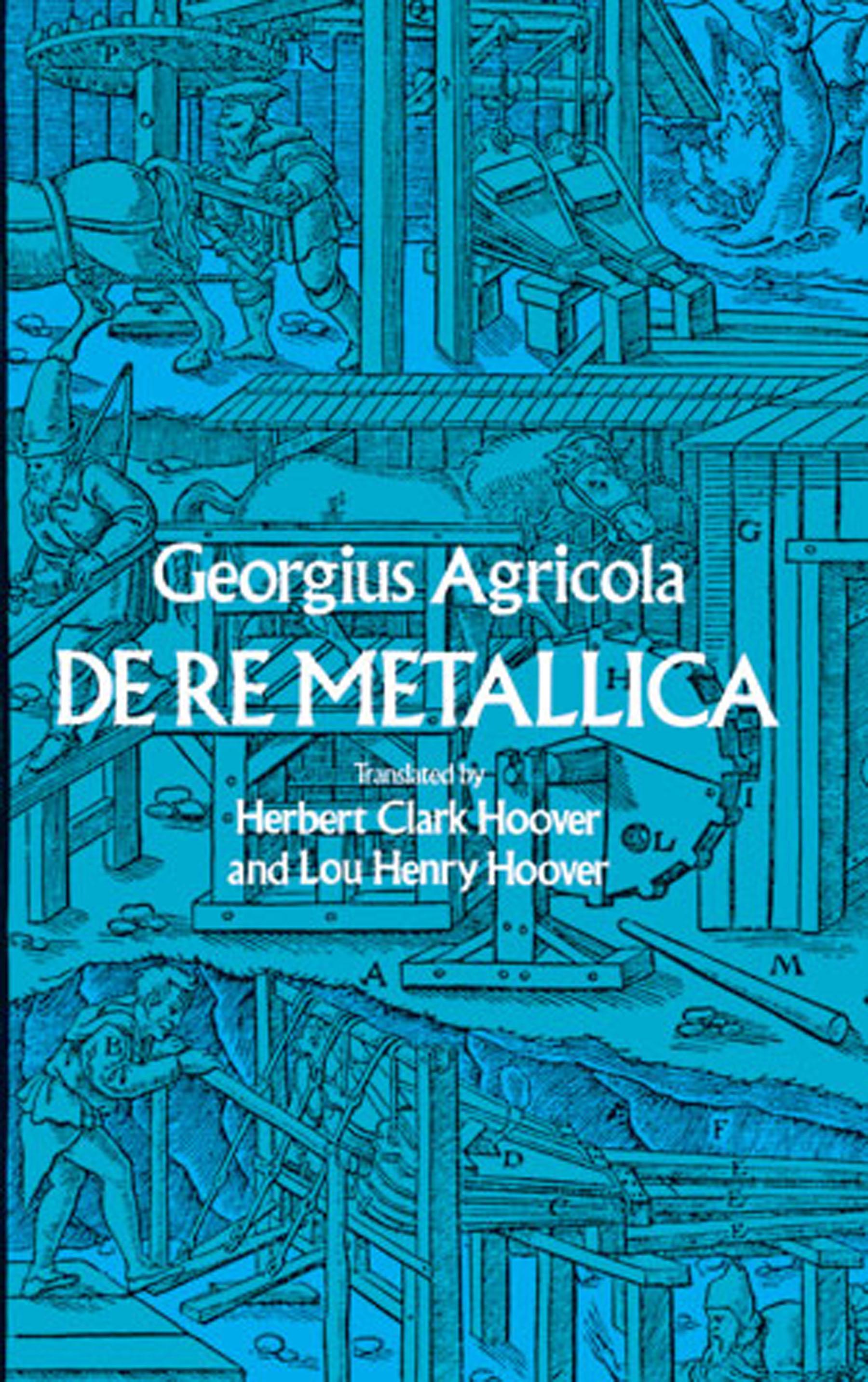
Originally published in 1556, Agricola's De ReM etallica was the first book on mining to be based on field research and observation — what today would be called the "scientific approach." It was therefore the first book to offer detailed technical drawings to illustrate the various specialized techniques of the many branches of mining, and the first to provide a realistic history of mining from antiquity to the mid-sixteenth century. For almost 200 years, Agricola remained the only authoritative work in this area and by modern times it had become one of the most highly respected scientific classics of all time. A book more often referred to in literature on mining and metallurgy than any other, its Latin text prevented it from being as widely used as it might have been.
In 1912, the book was translated by former President Herbert Clark Hoover and his wife. Printed in a limited edition, the work was quickly bought up by book collectors, historians, and medievalists, who had found that there was much to be learned from its pages. The book contains an unprecedented wealth of material on alluvial mining, alchemy, silver refining, smelting, surveying, timbering, nitric acid making, and hundreds of other phases of the medieval art of metallurgy. The text even covers the legal aspects of mining the use of boundary stones, forfeitures of titles, safety requirements of tunnel building in the 1500s, and so on.
But the plates, perhaps more than anything else, have insured Agricola's continued importance. Brilliantly executed drawings, richly detailed, reveal a whole medieval world of machinery, industrial technique, tools, even costume and architecture. All 289 of the original woodcuts are reproduced in this reprint of the 1912 edition, offering students of the period, commercial artists, engineers, metallurgists, and even curious general readers an unforgettable picture of the first age of technology.
Before Memmo my notes were scattered across PDFs. Now a workspace pulls everything into one place — I see exactly what's still left to study.
Memmo's summaries are gold before exams. I don't have to re-read 800 pages two weeks before — just the important parts.
The AI chat has saved me the night before an exam more than once. I just keep asking until I get it — no waiting on a study group to reply.
The quizzes hit exactly what I need to know. Memmo tracks what I get stuck on — so I only practice what's worth it.
Flashcards with spaced repetition are magic. Memmo knows when I'm about to forget something and brings it back.
The AI podcasts are my favorite. I listen on my way to school and get a recap without sitting at a computer.

Handbok i kvalitativa metoder
281 kr

Hållbar utveckling: en introduktion för ingenjörer och andra problemlösare
334 kr

Brymans Samhällsvetenskapliga metoder
390 kr

Projektledning
491 kr

Den orättvisa hälsan: om socioekonomiska skillnader i hälsa och livslängd
326 kr

Organizational Leadership
429 kr

Vetenskapsteori för nybörjare
196 kr

På väg mot läraryrket
172 kr

Det sociala livet i skolan: Socialpsykologiska perspektiv
253 kr

Betygsättningens didaktik
151 kr

Personality
402 kr

Studying Leadership
404 kr

Managing Innovation
477 kr

Introduktion till samhällsvetenskaplig metod
347 kr

The Psychology of Sex and Gender
698 kr

Evidens och kunskap för socialt arbete
207 kr

Introduction to Leadership
605 kr