
Before Memmo my notes were scattered across PDFs. Now a workspace pulls everything into one place — I see exactly what's still left to study.
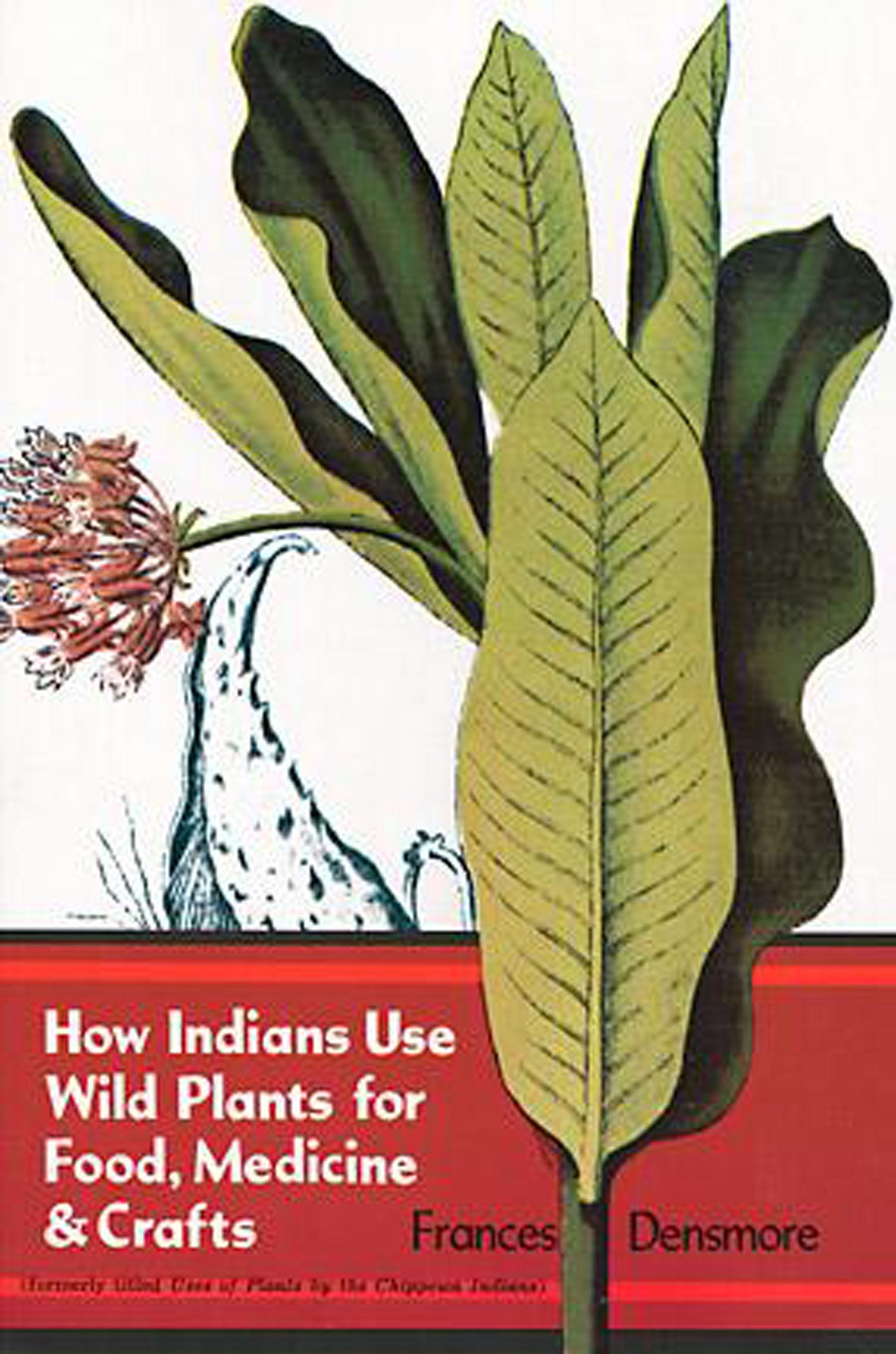
"Learn the natural ways of the Chippewa Indians with this great book from Dover." — Texas Kitchen and Garden and More
The uses of plants — for food, for medicine, for arts, crafts, and dyeing — among the Chippewa Indians of Minnesota and Wisconsin show the great extent to which they understood and utilized natural resources. In this book those traditions are captured, providing a wealth of new material for those interested in natural food, natural cures, and native crafts.
In separate sections describing the major areas of use, Miss Densmore, an ethnologist with the Smithsonian Institution, details the uses of nearly 200 plants with emphasis on wild plants and lesser-known uses. For those interested in natural foods she gives extensive coverage to the gathering and preparation of maple sugar and wild rice, as well as preparations for beverages from leaves and twigs of common plants, seasonings including mint and bearberry, the methods of preparing wild rice and corn, cultivated and wild vegetables, and wild fruits and berries. On Indian medicines she tells the basic methods of gathering plants and the basic surgical and medical methods. Then she gives a complete list of the plants with their botanical names, uses, parts used, preparation and administration, and other notes and references. Also covered are plants used as charms, plants used in natural dyes, and plants in the useful and decorative arts including uses for household items, toys, mats, twine, baskets, bows, and tools, with special emphasis on the uses of birch bark and cedar. This section will be especially useful for supplying new and unusual craft ideas. In addition, 36 plates show the many stages of plant gathering and preparation and many of the artistic uses. While a number of the plants discussed are native only to the Great Lakes region, many are found throughout a wide range.
Those studying the Indians of the Great Lakes region, or those trying to get back to nature through understanding and using natural materials, will find much about the use of plants in all areas of community life. Because of Miss Densmore’s deep knowledge and clear presentation, her study remains a rich and useful source for learning about or using native foods, native cures, and native crafts.
Before Memmo my notes were scattered across PDFs. Now a workspace pulls everything into one place — I see exactly what's still left to study.
Memmo's summaries are gold before exams. I don't have to re-read 800 pages two weeks before — just the important parts.
The AI chat has saved me the night before an exam more than once. I just keep asking until I get it — no waiting on a study group to reply.
The quizzes hit exactly what I need to know. Memmo tracks what I get stuck on — so I only practice what's worth it.
Flashcards with spaced repetition are magic. Memmo knows when I'm about to forget something and brings it back.
The AI podcasts are my favorite. I listen on my way to school and get a recap without sitting at a computer.

Handbok i kvalitativa metoder
281 kr

Hållbar utveckling: en introduktion för ingenjörer och andra problemlösare
334 kr

Brymans Samhällsvetenskapliga metoder
390 kr

Projektledning
491 kr

Den orättvisa hälsan: om socioekonomiska skillnader i hälsa och livslängd
326 kr

Vetenskapsteori för nybörjare
196 kr

Organizational Leadership
429 kr

På väg mot läraryrket
172 kr

Det sociala livet i skolan: Socialpsykologiska perspektiv
253 kr

Betygsättningens didaktik
151 kr

Personality
402 kr

Studying Leadership
404 kr

Managing Innovation
477 kr

Introduktion till samhällsvetenskaplig metod
347 kr

The Psychology of Sex and Gender
698 kr

Evidens och kunskap för socialt arbete
207 kr

Introduction to Leadership
605 kr