
Before Memmo my notes were scattered across PDFs. Now a workspace pulls everything into one place — I see exactly what's still left to study.
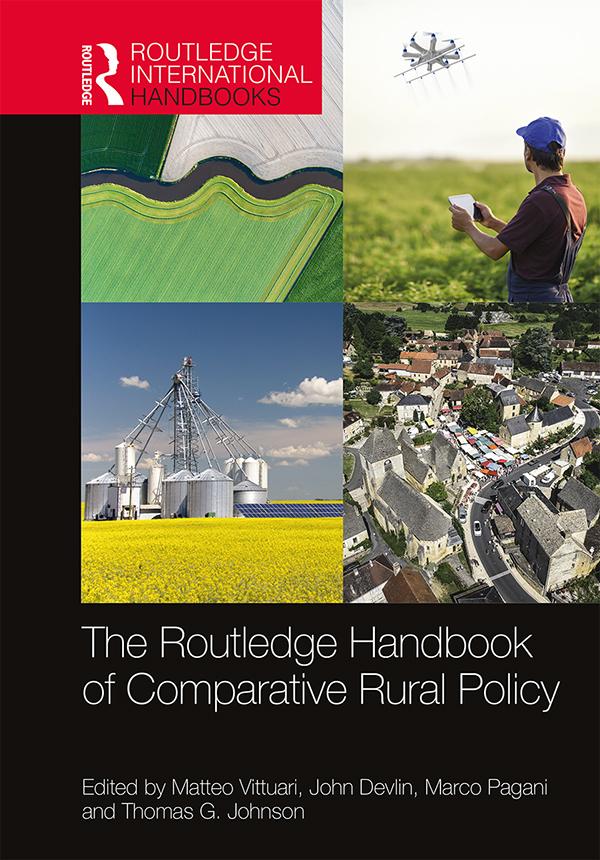
This volume represents the result of almost two decades of trans-Atlantic collaborative development of a policy research paradigm, the International Comparative Rural Policy Studies program. Over this period dozens of scientists from different disciplines but with a common interest in rural issues and policy have collaboratively studied the policies in North America, Europe, and other parts of the world.
A core element of the book is the idea and practice of comparative research and analysis – what can be learned from comparisons, how and why policies vary in different contexts, and what lessons might or might not be “transferable” across borders. It provides skills for the use of comparative methods as important tools to analyze the functioning of strategies and specific policy interventions in different contexts and a holistic approach for the management of resources in rural regions. It promotes innovation as a tool to valorize endogenous resources and empower local communities and offers case studies of rural policy in specific contexts. The book largely adopts a territorial approach to rural policy. This means the book is more interested in rural regions, their people and economies, and in the policies that affect them, than in rural sectors, and sectoral policies per se.
The audience of the book is by definition international and includes students attending courses in agricultural and rural policy, rural and regional studies, and natural resource management; lecturers seeking course material and case studies to present to their students in any of the courses listed above; professionals working in the field of rural policy; policy-makers and civil servants at different levels seeking tools to better understand rural policy both at the local and global scale and to better recognize and comprehend how to transfer best practices.
Before Memmo my notes were scattered across PDFs. Now a workspace pulls everything into one place — I see exactly what's still left to study.
Memmo's summaries are gold before exams. I don't have to re-read 800 pages two weeks before — just the important parts.
The AI chat has saved me the night before an exam more than once. I just keep asking until I get it — no waiting on a study group to reply.
The quizzes hit exactly what I need to know. Memmo tracks what I get stuck on — so I only practice what's worth it.
Flashcards with spaced repetition are magic. Memmo knows when I'm about to forget something and brings it back.
The AI podcasts are my favorite. I listen on my way to school and get a recap without sitting at a computer.

Handbok i kvalitativa metoder
281 kr

Hållbar utveckling: en introduktion för ingenjörer och andra problemlösare
334 kr

Brymans Samhällsvetenskapliga metoder
390 kr

Projektledning
491 kr

Den orättvisa hälsan: om socioekonomiska skillnader i hälsa och livslängd
326 kr

Vetenskapsteori för nybörjare
196 kr

Organizational Leadership
429 kr

På väg mot läraryrket
172 kr

Det sociala livet i skolan: Socialpsykologiska perspektiv
253 kr

Betygsättningens didaktik
151 kr

Personality
402 kr

Studying Leadership
404 kr

Managing Innovation
477 kr

Introduktion till samhällsvetenskaplig metod
347 kr

The Psychology of Sex and Gender
698 kr

Evidens och kunskap för socialt arbete
207 kr

Introduction to Leadership
605 kr