
Before Memmo my notes were scattered across PDFs. Now a workspace pulls everything into one place — I see exactly what's still left to study.
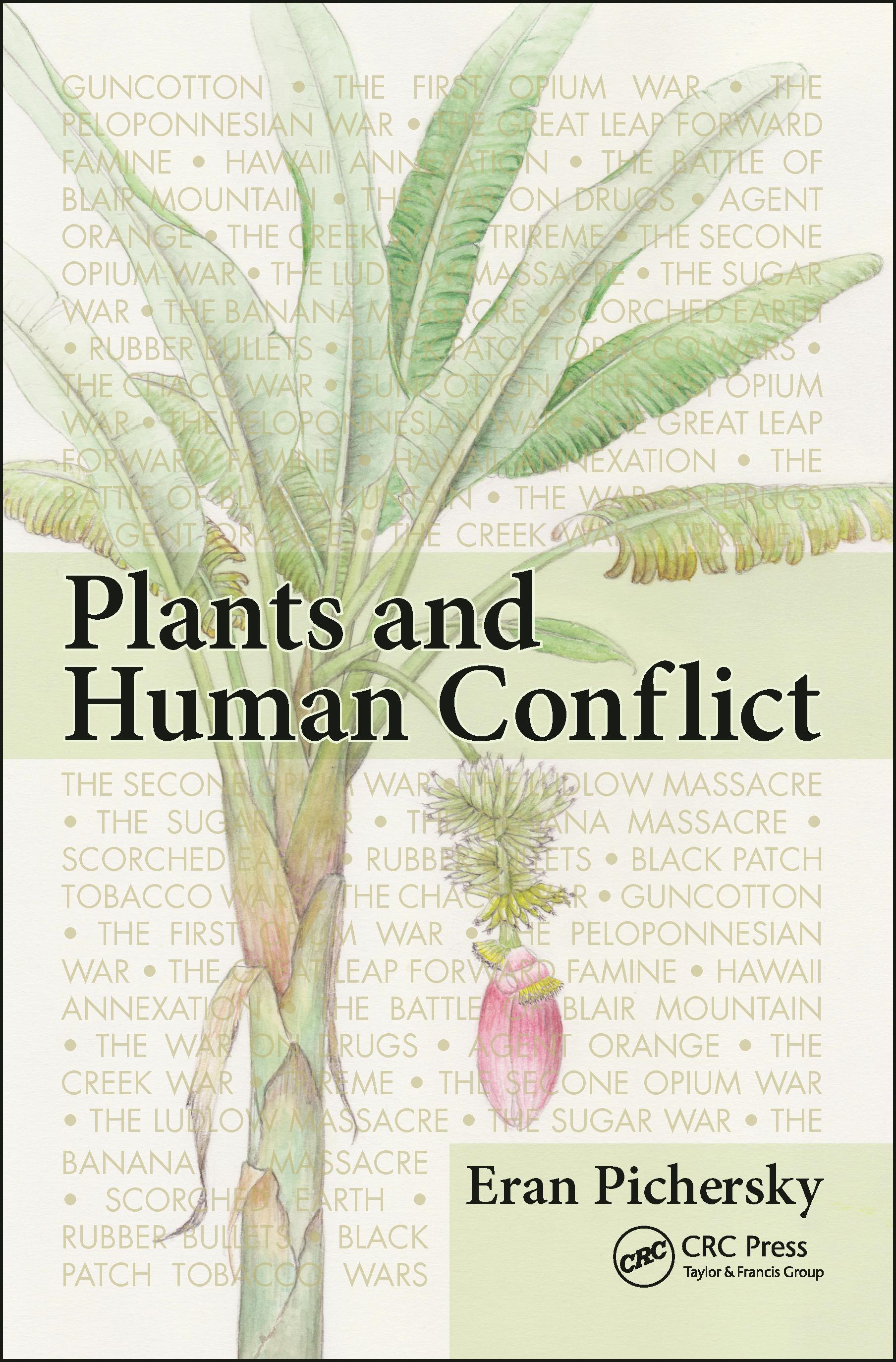
Perhaps the least appreciated dramatis personae in human history are plants. Humans, like all other animals, cannot produce their own food as plants do through photosynthesis, and must therefore acquire organic material for survival and growth by eating plants or by eating other animals that eat plants. Humans depend on plants not only as a food source, but also as building and clothing materials and as sources of medicines, psychoactive substances, spices, pigments, and more. With plants being such valuable resources, it is therefore not surprising that plants have been involved in practically all violent conflicts among different human societies. Ironically, plants have also been the source of materials to construct weapons or weapon parts.
Wars have always constituted a large part of human history, and the overall theme of this book is that to understand the history of violent human conflict, we need to understand what specific materials plants make that people find so useful and worth fighting over, and what roles such plant products have played in specific conflicts. To do so, Plants and Human Conflict begins with a chapter explaining the basic biological facts of the interdependence between plants and humans, and the subsequent seven chapters describe the physical and chemical properties of specific plant products demonstrating how the human need for these products has led to wars as well as contributed to the prosecution of wars. These chapters recount some well-known (and some lesser known) historical events in which plants have played a central role.
This book uniquely combines the modern scientific knowledge of plants with the human history of war, introducing readers to a new paradigm that will make them reconsider their understanding of human history, as well as to bring about a greater appreciation of plant biology.
Before Memmo my notes were scattered across PDFs. Now a workspace pulls everything into one place — I see exactly what's still left to study.
Memmo's summaries are gold before exams. I don't have to re-read 800 pages two weeks before — just the important parts.
The AI chat has saved me the night before an exam more than once. I just keep asking until I get it — no waiting on a study group to reply.
The quizzes hit exactly what I need to know. Memmo tracks what I get stuck on — so I only practice what's worth it.
Flashcards with spaced repetition are magic. Memmo knows when I'm about to forget something and brings it back.
The AI podcasts are my favorite. I listen on my way to school and get a recap without sitting at a computer.

Handbok i kvalitativa metoder
281 kr

Hållbar utveckling: en introduktion för ingenjörer och andra problemlösare
334 kr

Brymans Samhällsvetenskapliga metoder
390 kr

Projektledning
491 kr

Den orättvisa hälsan: om socioekonomiska skillnader i hälsa och livslängd
326 kr

Vetenskapsteori för nybörjare
196 kr

Organizational Leadership
429 kr

På väg mot läraryrket
172 kr

Det sociala livet i skolan: Socialpsykologiska perspektiv
253 kr

Betygsättningens didaktik
151 kr

Personality
402 kr

Studying Leadership
404 kr

Managing Innovation
477 kr

Introduktion till samhällsvetenskaplig metod
347 kr

The Psychology of Sex and Gender
698 kr

Evidens och kunskap för socialt arbete
207 kr

Introduction to Leadership
605 kr