
Before Memmo my notes were scattered across PDFs. Now a workspace pulls everything into one place — I see exactly what's still left to study.
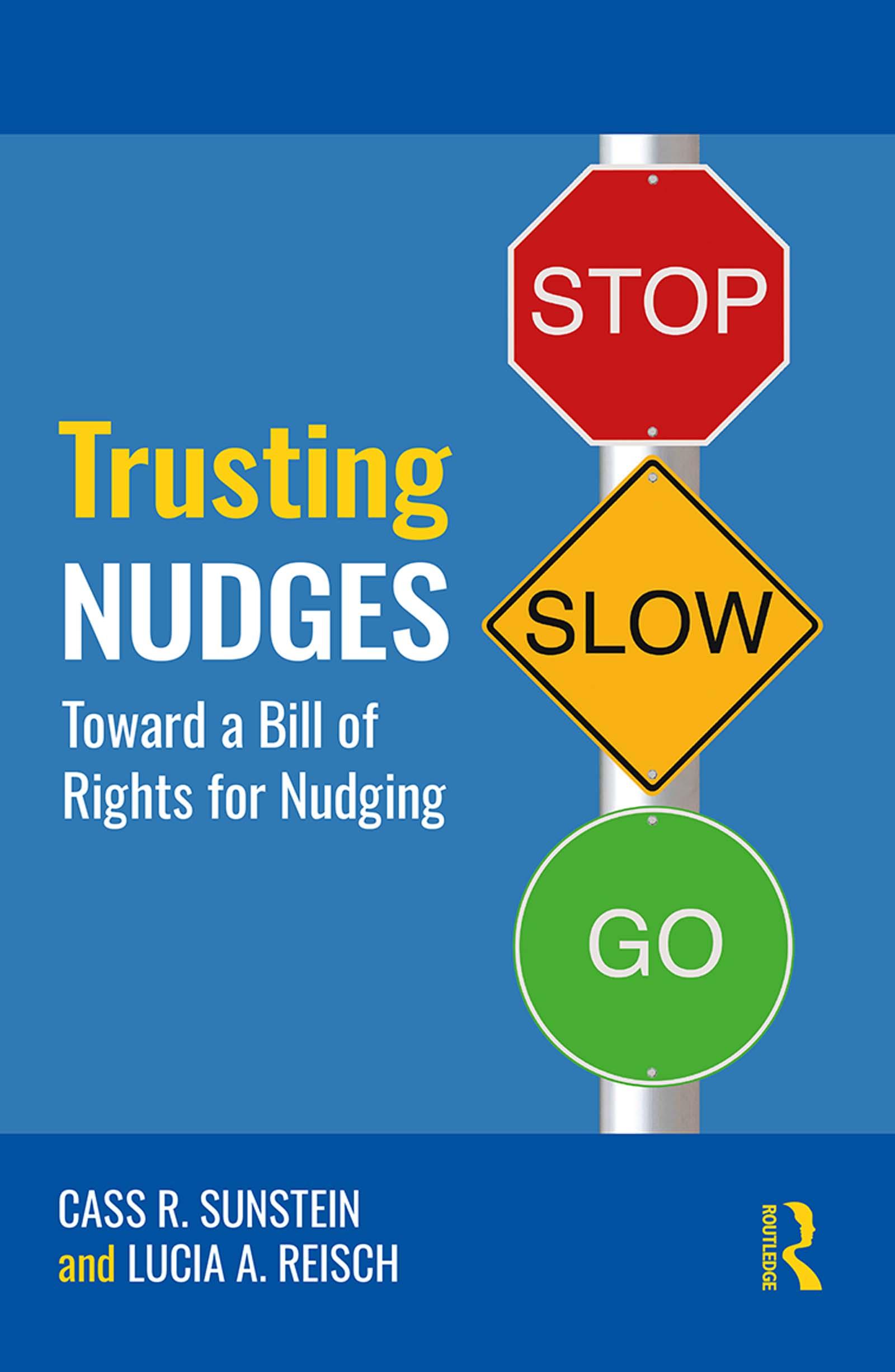
Many "nudges" aim to make life simpler, safer, or easier for people to navigate, but what do members of the public really think about these policies? Drawing on surveys from numerous nations around the world, Sunstein and Reisch explore whether citizens approve of nudge policies. Their most important finding is simple and striking. In diverse countries, both democratic and nondemocratic, strong majorities approve of nudges designed to promote health, safety, and environmental protection—and their approval cuts across political divisions.
In recent years, many governments have implemented behaviorally informed policies, focusing on nudges—understood as interventions that preserve freedom of choice, but that also steer people in certain directions. In some circles, nudges have become controversial, with questions raised about whether they amount to forms of manipulation. This fascinating book carefully considers these criticisms and answers important questions. What do citizens actually think about behaviorally informed policies? Do citizens have identifiable principles in mind when they approve or disapprove of the policies? Do citizens of different nations agree with each other?
From the answers to these questions, the authors identify six principles of legitimacy—a "bill of rights" for nudging that build on strong public support for nudging policies around the world, while also recognizing what citizens disapprove of. Their bill of rights is designed to capture citizens’ central concerns, reflecting widespread commitments to freedom and welfare that transcend national boundaries.
Before Memmo my notes were scattered across PDFs. Now a workspace pulls everything into one place — I see exactly what's still left to study.
Memmo's summaries are gold before exams. I don't have to re-read 800 pages two weeks before — just the important parts.
The AI chat has saved me the night before an exam more than once. I just keep asking until I get it — no waiting on a study group to reply.
The quizzes hit exactly what I need to know. Memmo tracks what I get stuck on — so I only practice what's worth it.
Flashcards with spaced repetition are magic. Memmo knows when I'm about to forget something and brings it back.
The AI podcasts are my favorite. I listen on my way to school and get a recap without sitting at a computer.

Handbok i kvalitativa metoder
281 kr

Hållbar utveckling: en introduktion för ingenjörer och andra problemlösare
334 kr

Brymans Samhällsvetenskapliga metoder
390 kr

Projektledning
491 kr

Den orättvisa hälsan: om socioekonomiska skillnader i hälsa och livslängd
326 kr

Vetenskapsteori för nybörjare
196 kr

Organizational Leadership
429 kr

På väg mot läraryrket
172 kr

Det sociala livet i skolan: Socialpsykologiska perspektiv
253 kr

Betygsättningens didaktik
151 kr

Personality
402 kr

Studying Leadership
404 kr

Managing Innovation
477 kr

Introduktion till samhällsvetenskaplig metod
347 kr

The Psychology of Sex and Gender
698 kr

Evidens och kunskap för socialt arbete
207 kr

Introduction to Leadership
605 kr