
Before Memmo my notes were scattered across PDFs. Now a workspace pulls everything into one place — I see exactly what's still left to study.
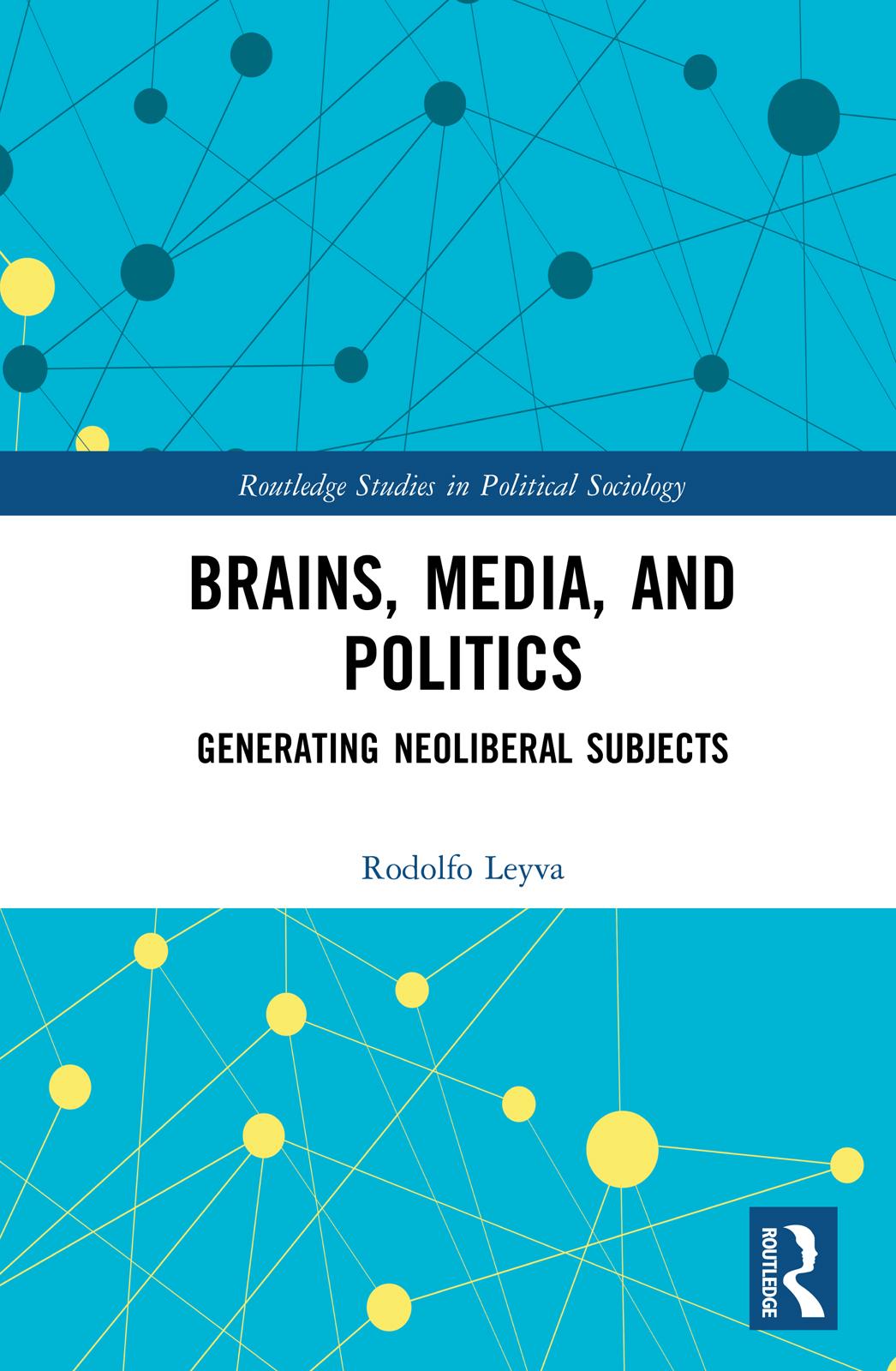
Following the 2007–2008 global financial crisis, a number of prominent academics, journalists, and activists were quick to pronounce the demise of neoliberal capitalism and governance. This rather optimistic prediction, however, underestimated the extent to which neoliberalism has shaped the 21st-century world order and become entrenched in our sociopolitical and cognitive fabric. Indeed, 11 years after the crisis, and in spite of the significant levels of socioeconomic inequality, psychological distress, and environmental destruction generated by neoliberal policies and corresponding business and cultural practices, the ideological hegemony of neoliberalism has not been supplanted, nor has it really faced any serious unsettling. How, then, has neoliberalism inflected and shaped our “common-sense” understandings of what is politically, economically, and culturally viable? To help answer this question, this book combines leading theories from sociology, media-communication research, developmental psychology, and cognitive science, and draws on primary evidence from a unique mix of ethnographic, survey, and experimental studies – of young people’s leisure practices and educational experiences, of young adults’ political socialisation processes in relation to exposure to social networking sites, and of the effects of commercial media viewing on material values and support for social welfare. In doing so, it provides a nuanced and robustly empirically tested account of how the conscious and non-conscious cognitive dimensions of people’s subjectivities and everyday social practices become interpellated through and reproductive of neoliberal ideology. As such, this book will appeal to scholars across the social and behavioural sciences with interests in neoliberalism, political engagement, enculturation, social reproduction, and media effects.
Before Memmo my notes were scattered across PDFs. Now a workspace pulls everything into one place — I see exactly what's still left to study.
Memmo's summaries are gold before exams. I don't have to re-read 800 pages two weeks before — just the important parts.
The AI chat has saved me the night before an exam more than once. I just keep asking until I get it — no waiting on a study group to reply.
The quizzes hit exactly what I need to know. Memmo tracks what I get stuck on — so I only practice what's worth it.
Flashcards with spaced repetition are magic. Memmo knows when I'm about to forget something and brings it back.
The AI podcasts are my favorite. I listen on my way to school and get a recap without sitting at a computer.

Handbok i kvalitativa metoder
281 kr

Hållbar utveckling: en introduktion för ingenjörer och andra problemlösare
334 kr

Brymans Samhällsvetenskapliga metoder
390 kr

Projektledning
491 kr

Den orättvisa hälsan: om socioekonomiska skillnader i hälsa och livslängd
326 kr

Vetenskapsteori för nybörjare
196 kr

Organizational Leadership
429 kr

På väg mot läraryrket
172 kr

Det sociala livet i skolan: Socialpsykologiska perspektiv
253 kr

Betygsättningens didaktik
151 kr

Personality
402 kr

Studying Leadership
404 kr

Managing Innovation
477 kr

Introduktion till samhällsvetenskaplig metod
347 kr

The Psychology of Sex and Gender
698 kr

Evidens och kunskap för socialt arbete
207 kr

Introduction to Leadership
605 kr