
Before Memmo my notes were scattered across PDFs. Now a workspace pulls everything into one place — I see exactly what's still left to study.
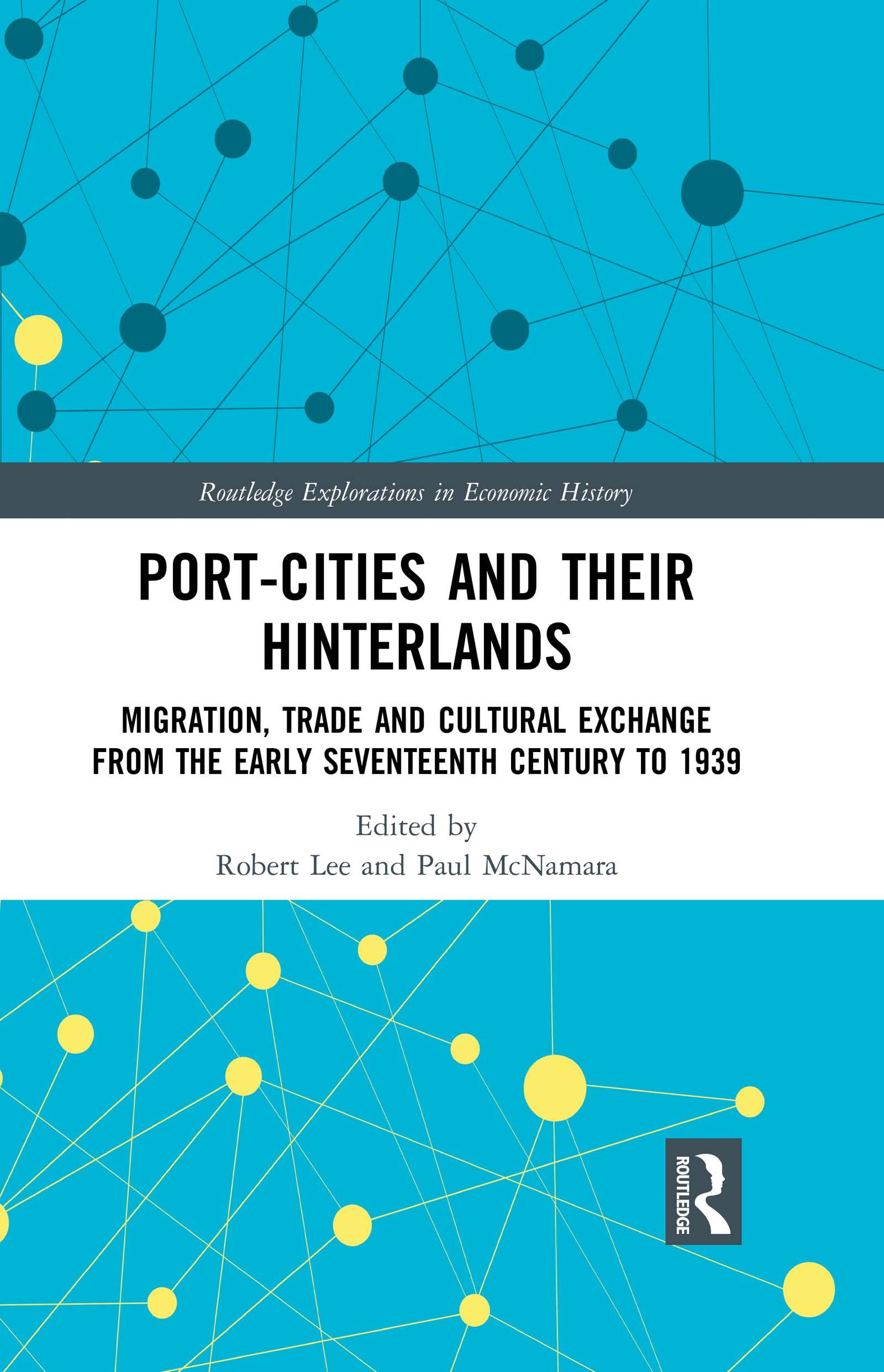
This interdisciplinary book brings together eleven original contributions by scholars in the United Kingdom, continental Europe, America and Japan which represent innovative and important research on the relationship between cities and their hinterlands. They discuss the factors which determined the changing nature of port-hinterland relations in particular, and highlight the ways in which port-cities have interacted and intersected with their different hinterlands as a result of both in- and out-migration, cultural exchange and the wider flow of goods, services and information.
Historically, maritime commerce was a powerful driving force behind urbanisation and by 1850 seaports accounted for a significant proportion of the world’s great cities. Ports acted as nodal points for the flow of population and the dissemination of goods and services, but their role as growth poles also affected the economic transformation of both their hinterlands and forelands. In fact, most ports, irrespective of their size, had a series of overlapping hinterlands whose shifting importance reflected changes in trading relations (political frameworks), migration patterns, family networks and cultural exchange. Urban historians have been criticised for being concerned primarily with self-contained processes which operate within the boundaries of individual towns and cities and as a result, the key relationships between cities and their hinterlands have often been neglected. The chapters in this work focus primarily on the determinants of port-hinterland linkages and analyse these as distinct, but interrelated, fields of interaction.
Marking a significant contribution to the literature in this field, Port-Cities and their Hinterlands provides essential reading for students and scholars of the history of economics.
Before Memmo my notes were scattered across PDFs. Now a workspace pulls everything into one place — I see exactly what's still left to study.
Memmo's summaries are gold before exams. I don't have to re-read 800 pages two weeks before — just the important parts.
The AI chat has saved me the night before an exam more than once. I just keep asking until I get it — no waiting on a study group to reply.
The quizzes hit exactly what I need to know. Memmo tracks what I get stuck on — so I only practice what's worth it.
Flashcards with spaced repetition are magic. Memmo knows when I'm about to forget something and brings it back.
The AI podcasts are my favorite. I listen on my way to school and get a recap without sitting at a computer.

Handbok i kvalitativa metoder
281 kr

Hållbar utveckling: en introduktion för ingenjörer och andra problemlösare
334 kr

Brymans Samhällsvetenskapliga metoder
390 kr

Projektledning
491 kr

Den orättvisa hälsan: om socioekonomiska skillnader i hälsa och livslängd
326 kr

Organizational Leadership
429 kr

Vetenskapsteori för nybörjare
196 kr

På väg mot läraryrket
172 kr

Det sociala livet i skolan: Socialpsykologiska perspektiv
253 kr

Betygsättningens didaktik
151 kr

Personality
402 kr

Studying Leadership
404 kr

Managing Innovation
477 kr

Introduktion till samhällsvetenskaplig metod
347 kr

The Psychology of Sex and Gender
698 kr

Evidens och kunskap för socialt arbete
207 kr

Introduction to Leadership
605 kr