
Before Memmo my notes were scattered across PDFs. Now a workspace pulls everything into one place — I see exactly what's still left to study.
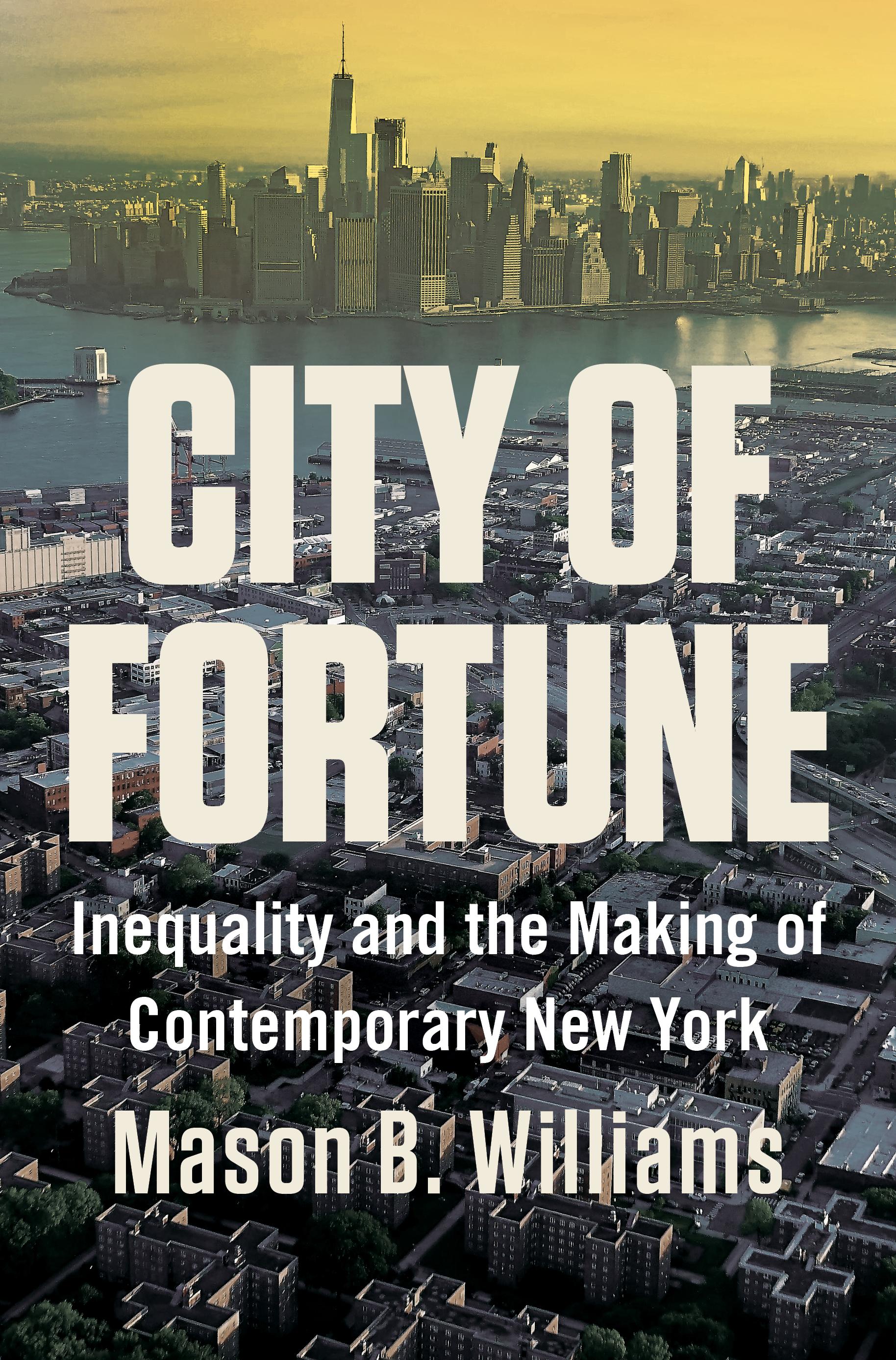
A powerful history of New York’s transformation from a city of middle-class aspiration to one of entrenched inequality.
Postwar New York City famously expired in a 1970s tableau of burning Bronx tenements, subway graffiti, crushing debt, and the tabloid headline “Ford to City: Drop Dead.” From its ashes the city reemerged to reach new heights, whether in stock averages or the gleaming pencil towers punctuating Midtown. But at ground level the city’s basic institutions were cracking. The city was rebuilt on a foundation of deep inequality.
This elegant history traces the making of contemporary New York over the half-century from the fiscal crisis of the 1970s to the Covid pandemic. The focus is on city life in three of its key dimensions: housing, schooling, and policing. With finance and real estate driving the city’s growth, each of these areas became more exclusive, less democratic. Affordable housing grew scarce, with the homeless population surging and working New Yorkers paying rents well above the 30 percent standard of affordability. Underfunded public schools were crowded out by better-resourced charter schools and academies, magnet schools, and gifted-and-talented programs. Policing was the most volatile flashpoint over this fifty-year period. Mayor Rudy Giuliani’s Broken Windows strategy of attacking crime by cracking down on minor offenses escalated into Michael Bloomberg’s stop-and-frisk policy, which targeted young Blacks and Latinos and yielded relatively few arrests. The city’s deepening inequality was heavily racialized, one of many connections between this New York story and those of cities across the country.
The rich cast of characters ranges from mayors, governors, and headline public figures like Al Sharpton, to behind-the-scenes reformers like the progressive educator Deborah Meier, to the everyday New Yorkers who organized to support rent guidelines or local control of the schools. It is in a widespread civic engagement that the city’s progressive traditions continue to thrive.
Before Memmo my notes were scattered across PDFs. Now a workspace pulls everything into one place — I see exactly what's still left to study.
Memmo's summaries are gold before exams. I don't have to re-read 800 pages two weeks before — just the important parts.
The AI chat has saved me the night before an exam more than once. I just keep asking until I get it — no waiting on a study group to reply.
The quizzes hit exactly what I need to know. Memmo tracks what I get stuck on — so I only practice what's worth it.
Flashcards with spaced repetition are magic. Memmo knows when I'm about to forget something and brings it back.
The AI podcasts are my favorite. I listen on my way to school and get a recap without sitting at a computer.

Handbok i kvalitativa metoder
281 kr

Hållbar utveckling: en introduktion för ingenjörer och andra problemlösare
334 kr

Brymans Samhällsvetenskapliga metoder
390 kr

Projektledning
491 kr

Den orättvisa hälsan: om socioekonomiska skillnader i hälsa och livslängd
326 kr

Vetenskapsteori för nybörjare
196 kr

Organizational Leadership
429 kr

På väg mot läraryrket
172 kr

Det sociala livet i skolan: Socialpsykologiska perspektiv
253 kr

Betygsättningens didaktik
151 kr

Personality
402 kr

Studying Leadership
404 kr

Managing Innovation
477 kr

Introduktion till samhällsvetenskaplig metod
347 kr

The Psychology of Sex and Gender
698 kr

Evidens och kunskap för socialt arbete
207 kr

Introduction to Leadership
605 kr