
Before Memmo my notes were scattered across PDFs. Now a workspace pulls everything into one place — I see exactly what's still left to study.
Winner of the Malstrom Award of the League of Snohomish County Historical Organizations
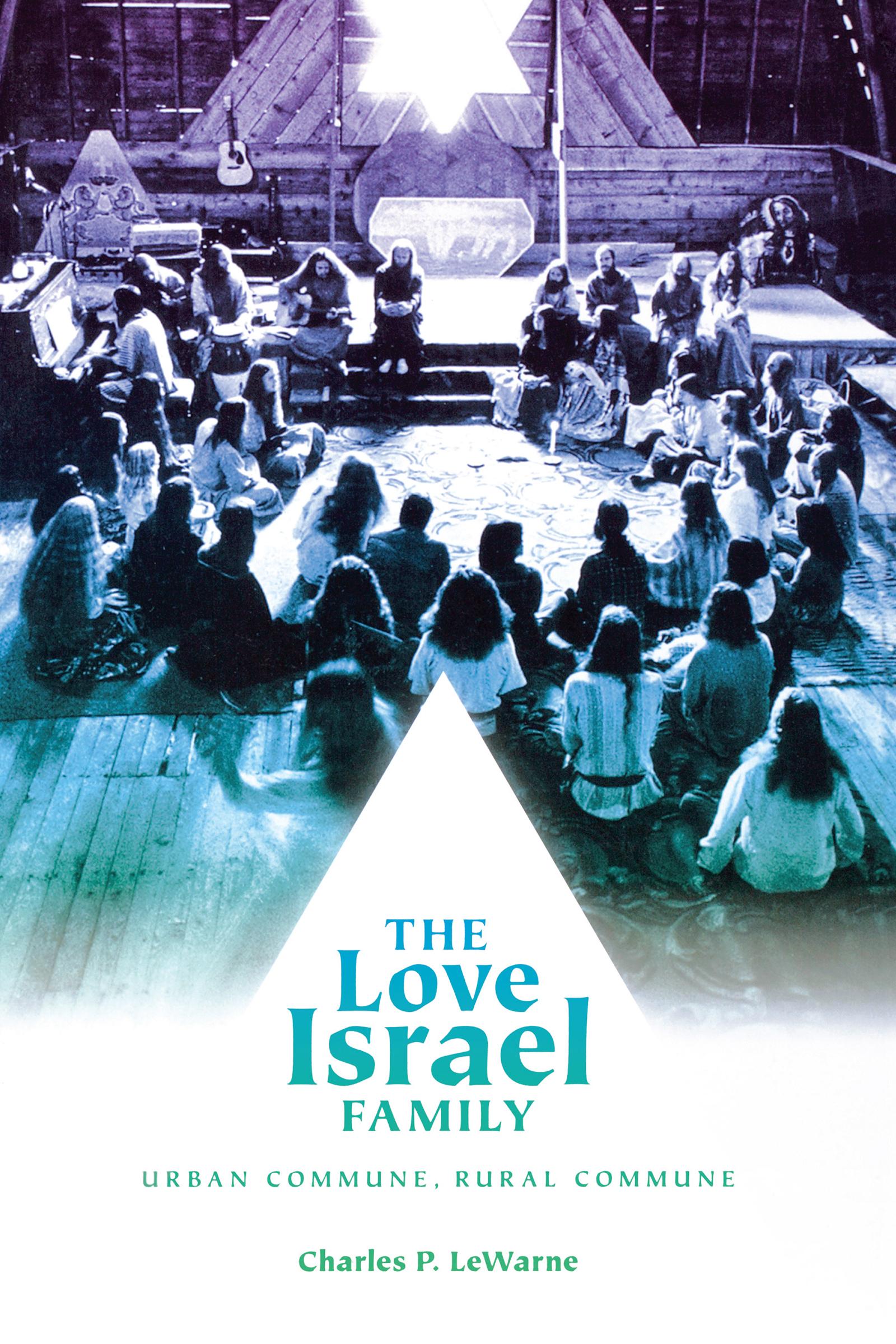
In 1968, a time of turbulence and countercultural movements, a one-time television salesman named Paul Erdmann changed his name to Love Israel and started a controversial religious commune in Seattle's middle-class Queen Anne Hill neighborhood. He quickly gathered a following and they too adopted the Israel surname, along with biblical or virtuous first names such as Honesty, Courage, and Strength. The burgeoning Love Israel Family lived a communal lifestyle centered on meditation and the philosophy that all persons were one and life was eternal. They flourished for more than a decade, owning houses and operating businesses on the Hill, although rumors of drug use, control of members, and unconventional sexual arrangements dogged them.
By 1984, perceptions among many followers that some Family members - especially Love Israel himself - had become more equal than others led to a bitter breakup in which two-thirds of the members defected. The remaining faithful, about a hundred strong, resettled on a ranch the Family retained near the town of Arlington, Washington, north of Seattle. There they recouped and adapted, with apparent social and economic success, for two more decades.
In The Love Israel Family, Charles LeWarne tells the compelling story of this group of idealistic seekers whose quest for a communal life grounded in love, service, and obedience to a charismatic leader foundered when that leader's power distanced him from his followers. LeWarne followed the Family for years, attending its celebrations and interviewing the faithful and the disaffected alike. He tells the Family's story with both sympathy and balance, describing daily life in the urban and later the rural communes and explaining the Family's deeply felt spiritual beliefs. The Love Israel Family is an important chapter in the history of communal experiments in the United States.
Before Memmo my notes were scattered across PDFs. Now a workspace pulls everything into one place — I see exactly what's still left to study.
Memmo's summaries are gold before exams. I don't have to re-read 800 pages two weeks before — just the important parts.
The AI chat has saved me the night before an exam more than once. I just keep asking until I get it — no waiting on a study group to reply.
The quizzes hit exactly what I need to know. Memmo tracks what I get stuck on — so I only practice what's worth it.
Flashcards with spaced repetition are magic. Memmo knows when I'm about to forget something and brings it back.
The AI podcasts are my favorite. I listen on my way to school and get a recap without sitting at a computer.

Handbok i kvalitativa metoder
281 kr

Hållbar utveckling: en introduktion för ingenjörer och andra problemlösare
334 kr

Brymans Samhällsvetenskapliga metoder
390 kr

Projektledning
491 kr

Den orättvisa hälsan: om socioekonomiska skillnader i hälsa och livslängd
326 kr

Vetenskapsteori för nybörjare
196 kr

Organizational Leadership
429 kr

På väg mot läraryrket
172 kr

Det sociala livet i skolan: Socialpsykologiska perspektiv
253 kr

Betygsättningens didaktik
151 kr

Personality
402 kr

Studying Leadership
404 kr

Managing Innovation
477 kr

Introduktion till samhällsvetenskaplig metod
347 kr

The Psychology of Sex and Gender
698 kr

Evidens och kunskap för socialt arbete
207 kr

Introduction to Leadership
605 kr