
Before Memmo my notes were scattered across PDFs. Now a workspace pulls everything into one place — I see exactly what's still left to study.
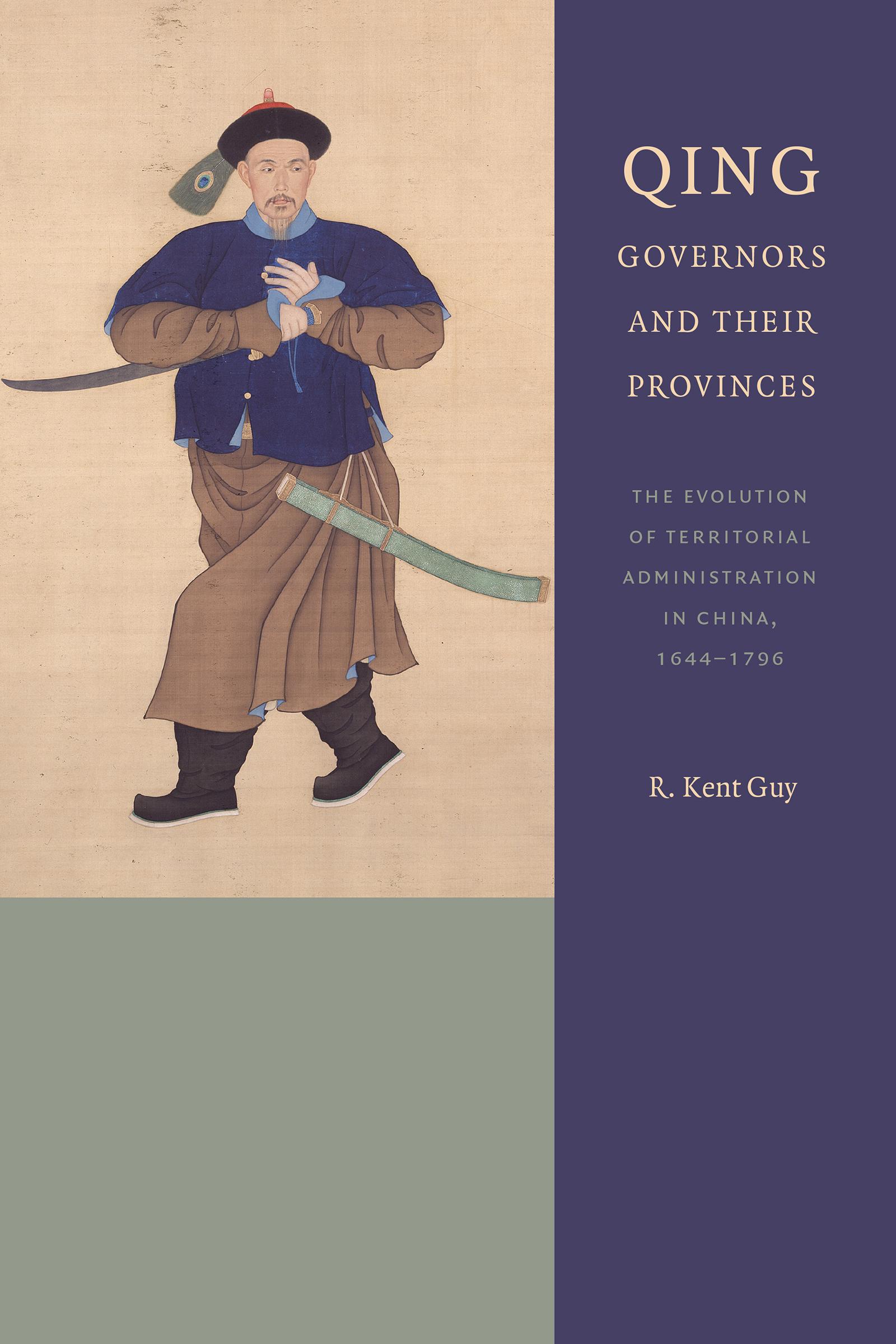
During the Qing dynasty (1644–1911), the province emerged as an important element in the management of the expanding Chinese empire, with governors -- those in charge of these increasingly influential administrative units -- playing key roles. R. Kent Guy’s comprehensive study of this shift concentrates on the governorship system during the reigns of the Shunzhi, Kangxi, Yongzheng, and Qianlong emperors, who ruled China from 1644 to 1796.
In the preceding Ming dynasty (1368–1644), the responsibilities of provincial officials were ill-defined and often shifting; Qing governors, in contrast, were influential members of a formal administrative hierarchy and enjoyed the support of the central government, including access to resources. These increasingly powerful officials extended the court’s influence into even the most distant territories of the Qing empire.
Both masters of the routine processes of administration and troubleshooters for the central government, Qing governors were economic and political administrators who played crucial roles in the management of a larger and more complex empire than the Chinese had ever known. Administrative concerns varied from region to region: Henan was dominated by the great Yellow River, which flowed through the province; the Shandong governor dealt with the exchange of goods, ideas, and officials along the Grand Canal; in Zhili, relations between civilians and bannermen in the strategically significant coastal plain were key; and in northwestern Shanxi, governors dealt with border issues.
Qing Governors and Their Provinces uses the records of governors’ appointments and the laws and practices that shaped them to reconstruct the development of the office of provincial governor and to examine the histories of governors’ appointments in each province. Interwoven throughout is colorful detail drawn from the governors’ biographies.
Before Memmo my notes were scattered across PDFs. Now a workspace pulls everything into one place — I see exactly what's still left to study.
Memmo's summaries are gold before exams. I don't have to re-read 800 pages two weeks before — just the important parts.
The AI chat has saved me the night before an exam more than once. I just keep asking until I get it — no waiting on a study group to reply.
The quizzes hit exactly what I need to know. Memmo tracks what I get stuck on — so I only practice what's worth it.
Flashcards with spaced repetition are magic. Memmo knows when I'm about to forget something and brings it back.
The AI podcasts are my favorite. I listen on my way to school and get a recap without sitting at a computer.

Handbok i kvalitativa metoder
281 kr

Hållbar utveckling: en introduktion för ingenjörer och andra problemlösare
334 kr

Brymans Samhällsvetenskapliga metoder
390 kr

Projektledning
491 kr

Den orättvisa hälsan: om socioekonomiska skillnader i hälsa och livslängd
326 kr

Vetenskapsteori för nybörjare
196 kr

Organizational Leadership
429 kr

På väg mot läraryrket
172 kr

Det sociala livet i skolan: Socialpsykologiska perspektiv
253 kr

Betygsättningens didaktik
151 kr

Personality
402 kr

Studying Leadership
404 kr

Managing Innovation
477 kr

Introduktion till samhällsvetenskaplig metod
347 kr

The Psychology of Sex and Gender
698 kr

Evidens och kunskap för socialt arbete
207 kr

Introduction to Leadership
605 kr