
Before Memmo my notes were scattered across PDFs. Now a workspace pulls everything into one place — I see exactly what's still left to study.
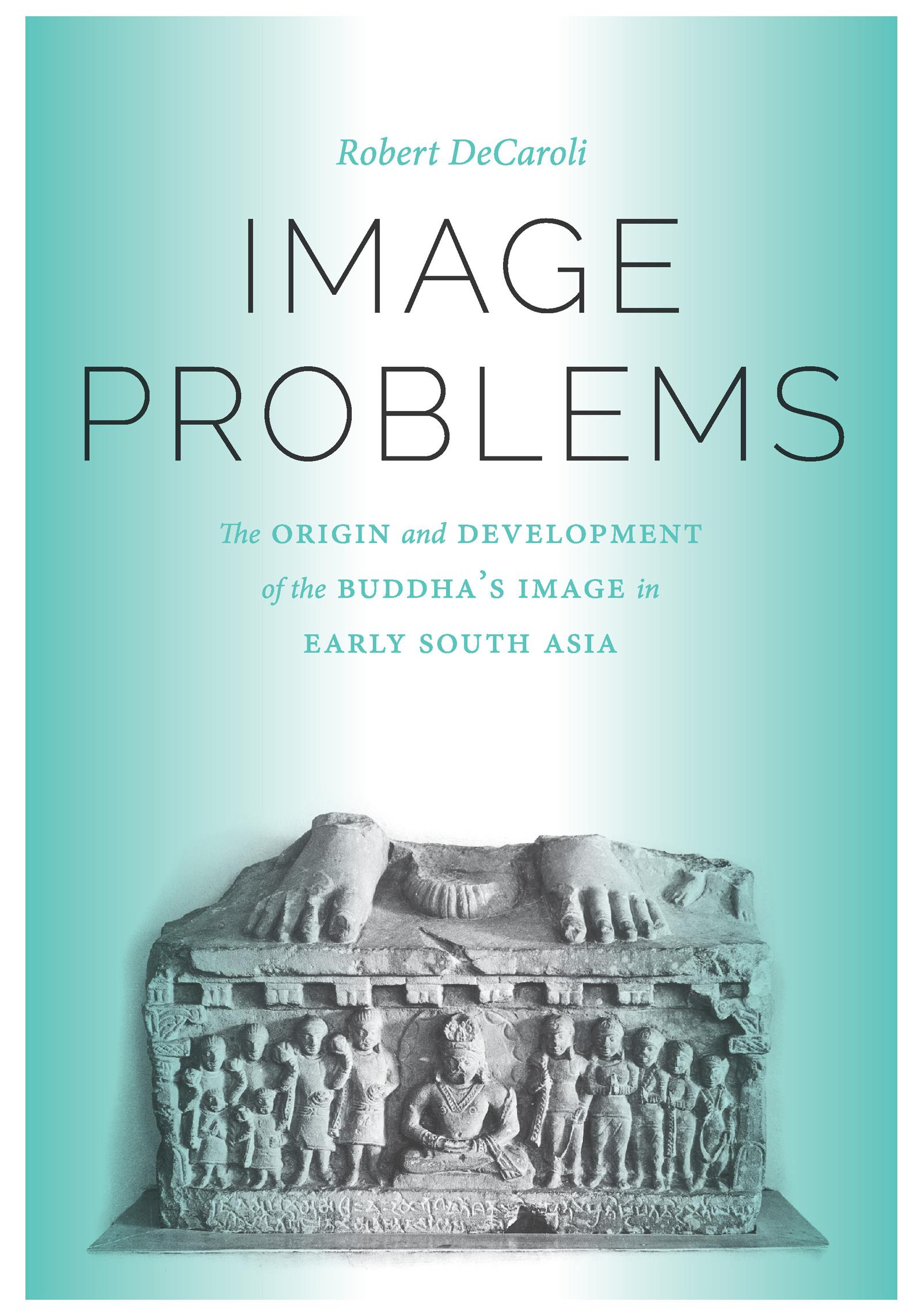
This deft and lively study by Robert DeCaroli explores the questions of how and why the earliest verifiable images of the historical Buddha were created. In so doing, DeCaroli steps away from old questions of where and when to present the history of Buddhism’s relationship with figural art as an ongoing set of negotiations within the Buddhist community and in society at large. By comparing innovations in Brahmanical, Jain, and royal artistic practice, DeCaroli examines why no image of the Buddha was made until approximately five hundred years after his death and what changed in the centuries surrounding the start of the Common Era to suddenly make those images desirable and acceptable.
The textual and archaeological sources reveal that figural likenesses held special importance in South Asia and were seen as having a significant amount of agency and power. Anxiety over image use extended well beyond the Buddhists, helping to explain why images of Vedic gods, Jain teachers, and political elites also are absent from the material record of the centuries BCE. DeCaroli shows how the emergence of powerful dynasties and rulers, who benefited from novel modes of visual authority, was at the root of the changes in attitude toward figural images. However, as DeCaroli demonstrates, a strain of unease with figural art persisted, even after a tradition of images of the Buddha had become established.
Before Memmo my notes were scattered across PDFs. Now a workspace pulls everything into one place — I see exactly what's still left to study.
Memmo's summaries are gold before exams. I don't have to re-read 800 pages two weeks before — just the important parts.
The AI chat has saved me the night before an exam more than once. I just keep asking until I get it — no waiting on a study group to reply.
The quizzes hit exactly what I need to know. Memmo tracks what I get stuck on — so I only practice what's worth it.
Flashcards with spaced repetition are magic. Memmo knows when I'm about to forget something and brings it back.
The AI podcasts are my favorite. I listen on my way to school and get a recap without sitting at a computer.

Handbok i kvalitativa metoder
281 kr

Hållbar utveckling: en introduktion för ingenjörer och andra problemlösare
334 kr

Brymans Samhällsvetenskapliga metoder
390 kr

Projektledning
491 kr

Den orättvisa hälsan: om socioekonomiska skillnader i hälsa och livslängd
326 kr

Organizational Leadership
429 kr

Vetenskapsteori för nybörjare
196 kr

På väg mot läraryrket
172 kr

Det sociala livet i skolan: Socialpsykologiska perspektiv
253 kr

Betygsättningens didaktik
151 kr

Personality
402 kr

Studying Leadership
404 kr

Managing Innovation
477 kr

Introduktion till samhällsvetenskaplig metod
347 kr

The Psychology of Sex and Gender
698 kr

Evidens och kunskap för socialt arbete
207 kr

Introduction to Leadership
605 kr