
Before Memmo my notes were scattered across PDFs. Now a workspace pulls everything into one place — I see exactly what's still left to study.
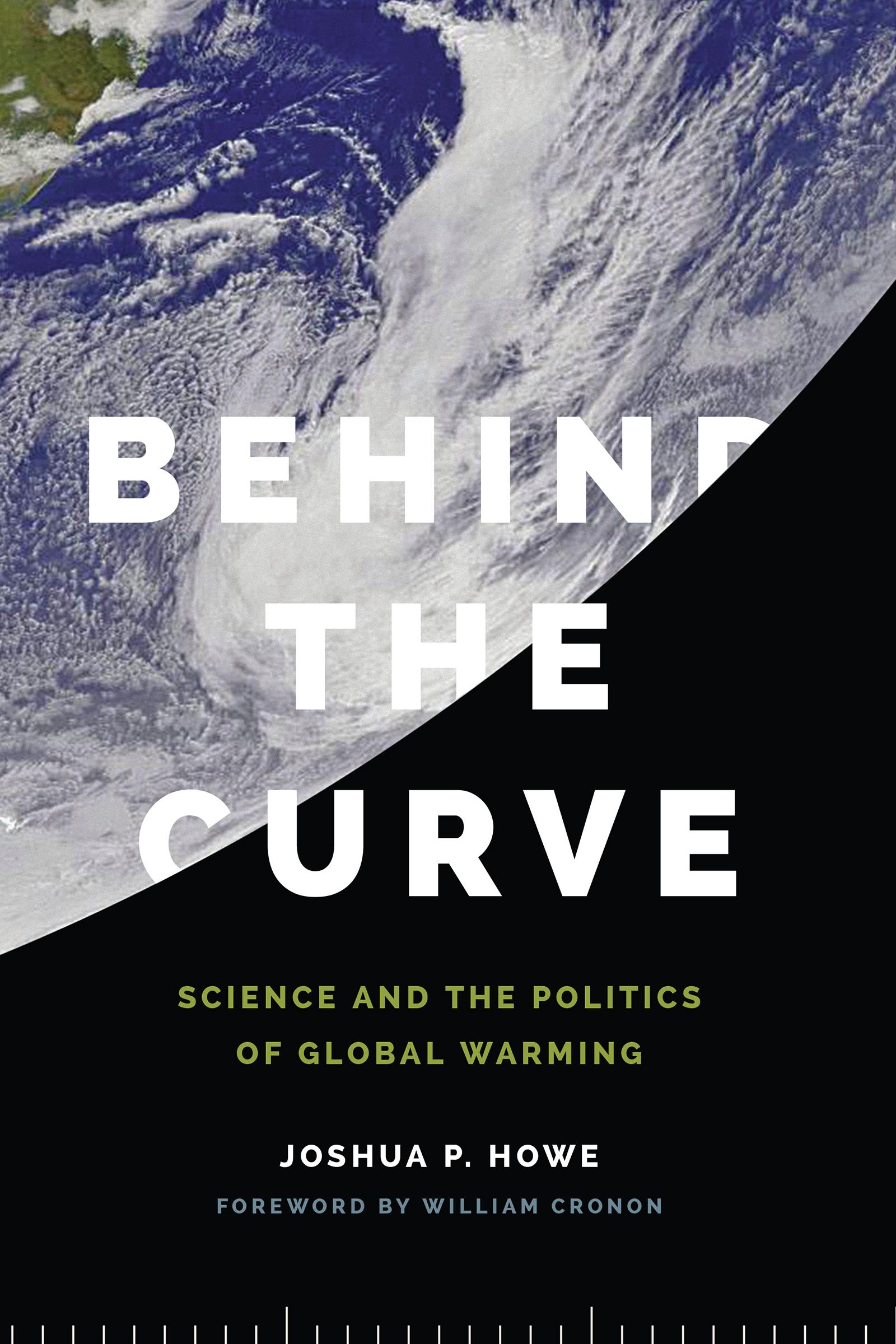
In 1958, Charles David Keeling began measuring the concentration of carbon dioxide in the earth's atmosphere at the Mauna Loa Observatory in Hawaii. His project kicked off a half century of research that has expanded our knowledge of climate change. Despite more than fifty years of research, however, our global society has yet to find real solutions to the problem of global warming. Why?
In Behind the Curve, Joshua Howe attempts to answer this question. He explores the history of global warming from its roots as a scientific curiosity to its place at the center of international environmental politics. The book follows the story of rising CO2—illustrated by the now famous Keeling Curve—through a number of historical contexts, highlighting the relationships among scientists, environmentalists, and politicians as those relationships changed over time.
The nature of the problem itself, Howe explains, has privileged scientists as the primary spokespeople for the global climate. But while the “science first” forms of advocacy they developed to fight global warming produced more and better science, the primacy of science in global warming politics has failed to produce meaningful results. In fact, an often exclusive focus on science has left advocates for change vulnerable to political opposition and has limited much of the discussion to debates about the science itself.
As a result, while we know much more about global warming than we did fifty years ago, CO2 continues to rise. In 1958, Keeling first measured CO2 at around 315 parts per million; by 2013, global CO2 had soared to 400 ppm. The problem is not getting better - it's getting worse. Behind the Curve offers a critical and levelheaded look at how we got here.
Before Memmo my notes were scattered across PDFs. Now a workspace pulls everything into one place — I see exactly what's still left to study.
Memmo's summaries are gold before exams. I don't have to re-read 800 pages two weeks before — just the important parts.
The AI chat has saved me the night before an exam more than once. I just keep asking until I get it — no waiting on a study group to reply.
The quizzes hit exactly what I need to know. Memmo tracks what I get stuck on — so I only practice what's worth it.
Flashcards with spaced repetition are magic. Memmo knows when I'm about to forget something and brings it back.
The AI podcasts are my favorite. I listen on my way to school and get a recap without sitting at a computer.

Handbok i kvalitativa metoder
281 kr

Hållbar utveckling: en introduktion för ingenjörer och andra problemlösare
334 kr

Brymans Samhällsvetenskapliga metoder
390 kr

Projektledning
491 kr

Den orättvisa hälsan: om socioekonomiska skillnader i hälsa och livslängd
326 kr

Organizational Leadership
429 kr

Vetenskapsteori för nybörjare
196 kr

På väg mot läraryrket
172 kr

Det sociala livet i skolan: Socialpsykologiska perspektiv
253 kr

Betygsättningens didaktik
151 kr

Personality
402 kr

Studying Leadership
404 kr

Managing Innovation
477 kr

Introduktion till samhällsvetenskaplig metod
347 kr

The Psychology of Sex and Gender
698 kr

Evidens och kunskap för socialt arbete
207 kr

Introduction to Leadership
605 kr