
Before Memmo my notes were scattered across PDFs. Now a workspace pulls everything into one place — I see exactly what's still left to study.
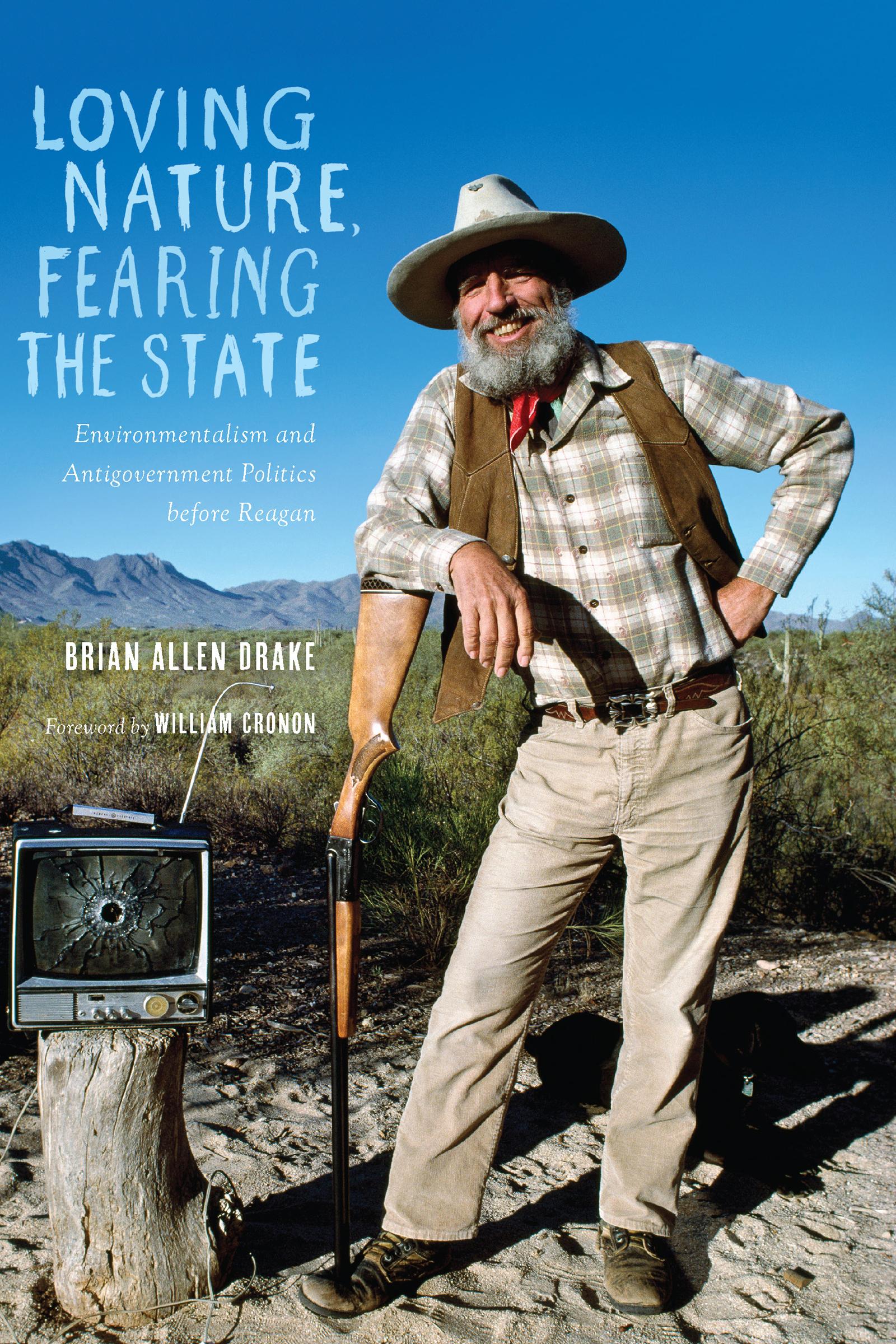
A "conservative environmental tradition" in America may sound like a contradiction in terms, but as Brian Allen Drake shows in Loving Nature, Fearing the State, right-leaning politicians and activists have shaped American environmental consciousness since the environmental movement's beginnings. In this wide-ranging history, Drake explores the tensions inherent in balancing an ideology dedicated to limiting the power of government with a commitment to protecting treasured landscapes and ecological health.
Drake argues that "antistatist" beliefs--an individualist ethos and a mistrust of government--have colored the American passion for wilderness but also complicated environmental protection efforts. While most of the successes of the environmental movement have been enacted through the federal government, conservative and libertarian critiques of big-government environmentalism have increasingly resisted the idea that strengthening state power is the only way to protect the environment.
Loving Nature, Fearing the State traces the influence of conservative environmental thought through the stories of important actors in postwar environmental movements. The book follows small-government pioneer Barry Goldwater as he tries to establish federally protected wilderness lands in the Arizona desert and shows how Goldwater's intellectual and ideological struggles with this effort provide a framework for understanding the dilemmas of an antistatist environmentalism. It links antigovernment activism with environmental public health concerns by analyzing opposition to government fluoridation campaigns and investigates environmentalism from a libertarian economic perspective through the work of free-market environmentalists. Drake also sees in the work of Edward Abbey an argument that reverence for nature can form the basis for resistance to state power. Each chapter highlights debates and tensions that are important to understanding environmental history and the challenges that face environmental protection efforts today.
Before Memmo my notes were scattered across PDFs. Now a workspace pulls everything into one place — I see exactly what's still left to study.
Memmo's summaries are gold before exams. I don't have to re-read 800 pages two weeks before — just the important parts.
The AI chat has saved me the night before an exam more than once. I just keep asking until I get it — no waiting on a study group to reply.
The quizzes hit exactly what I need to know. Memmo tracks what I get stuck on — so I only practice what's worth it.
Flashcards with spaced repetition are magic. Memmo knows when I'm about to forget something and brings it back.
The AI podcasts are my favorite. I listen on my way to school and get a recap without sitting at a computer.

Handbok i kvalitativa metoder
281 kr

Hållbar utveckling: en introduktion för ingenjörer och andra problemlösare
334 kr

Brymans Samhällsvetenskapliga metoder
390 kr

Projektledning
491 kr

Den orättvisa hälsan: om socioekonomiska skillnader i hälsa och livslängd
326 kr

Vetenskapsteori för nybörjare
196 kr

Organizational Leadership
429 kr

På väg mot läraryrket
172 kr

Det sociala livet i skolan: Socialpsykologiska perspektiv
253 kr

Betygsättningens didaktik
151 kr

Personality
402 kr

Studying Leadership
404 kr

Managing Innovation
477 kr

Introduktion till samhällsvetenskaplig metod
347 kr

The Psychology of Sex and Gender
698 kr

Evidens och kunskap för socialt arbete
207 kr

Introduction to Leadership
605 kr