
Before Memmo my notes were scattered across PDFs. Now a workspace pulls everything into one place — I see exactly what's still left to study.
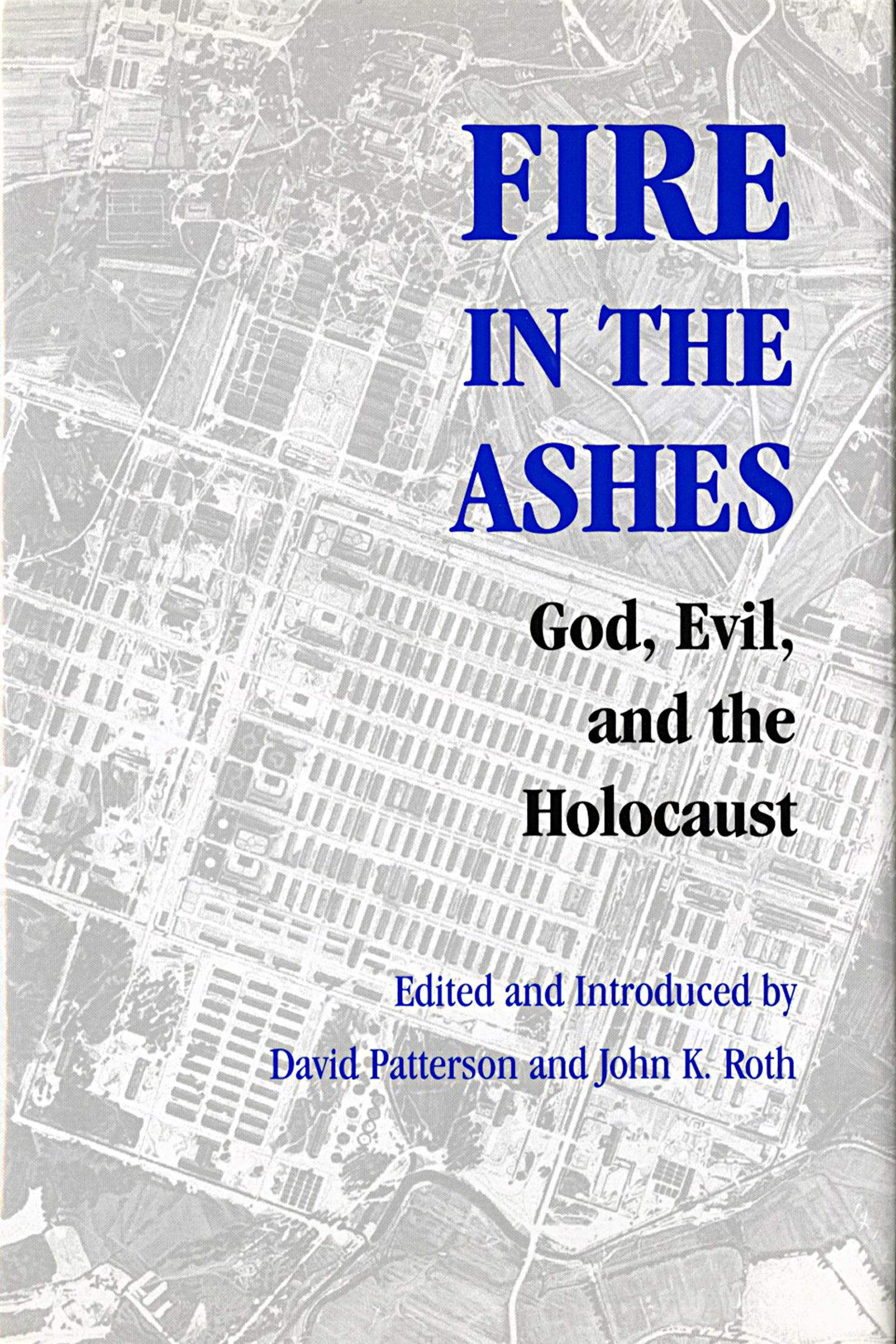
Sixty years after it ended, the Holocaust continues to leave survivors and their descendants, as well as historians, philosophers, and theologians, pondering the enormity of that event. This book explores how inquiry about the Holocaust challenges understanding, especially its religious and ethical dimensions.
Debates about God's relationship to evil are ancient, but the Holocaust complicated them in ways never before imagined. Its massive destruction left Jews and Christians searching among the ashes to determine what, if anything, could repair the damage done to tradition and to theology.
Since the end of the Holocaust, Jews and Christians have increasingly sought to know how or even whether theological analysis and reflection can aid in comprehending its aftermath. Specifically, Jews and Christians, individually and collectively, find themselves more and more in the position of needing either to rethink theodicy -- typically understood as the vindication of divine justice in the face of evil -- or to abolish the concept altogether.
Writing in a format that creates the feel of dialogue, the contributors to Fire in the Ashes confront these and other difficult questions about God and evil after the Holocaust. This book -- created out of shared concerns and a desire to investigate differences and disagreements between religious traditions and philosophical perspectives -- represents an effort to advance meaningful conversation between Jews and Christians and to encourage others to participate in similar inter- and intrafaith inquiries.
The contributors to Fire in the Ashes are members of the Pastora Goldner Holocaust Symposium. Led since its founding in 1996 by Leonard Grob and Henry F. Knight, the symposium's Holocaust and genocide scholars -- a group that is interfaith, international, interdisciplinary, and intergenerational -- meet biennially in Oxfordshire, England.
Before Memmo my notes were scattered across PDFs. Now a workspace pulls everything into one place — I see exactly what's still left to study.
Memmo's summaries are gold before exams. I don't have to re-read 800 pages two weeks before — just the important parts.
The AI chat has saved me the night before an exam more than once. I just keep asking until I get it — no waiting on a study group to reply.
The quizzes hit exactly what I need to know. Memmo tracks what I get stuck on — so I only practice what's worth it.
Flashcards with spaced repetition are magic. Memmo knows when I'm about to forget something and brings it back.
The AI podcasts are my favorite. I listen on my way to school and get a recap without sitting at a computer.

Handbok i kvalitativa metoder
281 kr

Hållbar utveckling: en introduktion för ingenjörer och andra problemlösare
334 kr

Brymans Samhällsvetenskapliga metoder
390 kr

Projektledning
491 kr

Den orättvisa hälsan: om socioekonomiska skillnader i hälsa och livslängd
326 kr

Organizational Leadership
429 kr

Vetenskapsteori för nybörjare
196 kr

På väg mot läraryrket
172 kr

Det sociala livet i skolan: Socialpsykologiska perspektiv
253 kr

Betygsättningens didaktik
151 kr

Personality
402 kr

Studying Leadership
404 kr

Managing Innovation
477 kr

Introduktion till samhällsvetenskaplig metod
347 kr

The Psychology of Sex and Gender
698 kr

Evidens och kunskap för socialt arbete
207 kr

Introduction to Leadership
605 kr