
Before Memmo my notes were scattered across PDFs. Now a workspace pulls everything into one place — I see exactly what's still left to study.
Winner of the William A. Douglass Prize in Europeanist Anthropology
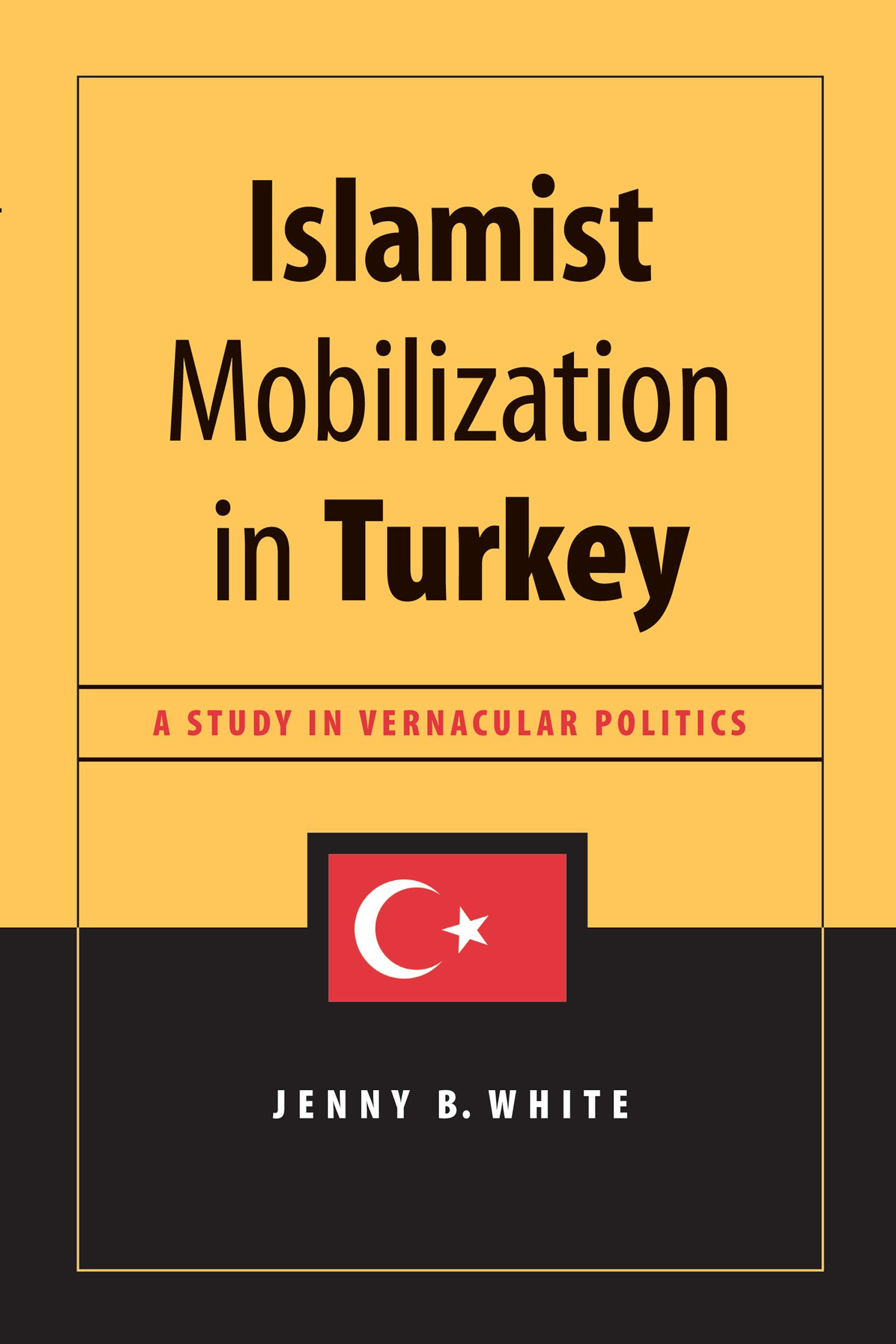
The emergence of an Islamist movement and the startling buoyancy of Islamic political parties in Turkey--a model of secular modernization, a cosmopolitan frontier, and NATO ally--has puzzled Western observers. As the appeal of the Islamist Welfare Party spread through Turkish society, including the middle class, in the 1990s, the party won numerous local elections and became one of the largest parties represented in parliament, even holding the prime ministership in 1996 and 1997. Welfare was formally banned and closed in 1998, and its successor, Virtue, was banned in 2001, for allegedly posing a threat to the state, but the Islamist movement continues to grow in popularity.
Jenny White has produced an ethnography of contemporary Istanbul that charts the success of Islamist mobilization through the eyes of ordinary people. Drawing on neighborhood interviews gathered over twenty years of fieldwork, she focuses intently on the genesis and continuing appeal of Islamic politics in the fabric of Turkish society and among mobilizing and mobilized elites, women, and educated populations.
White shows how everyday concerns and interpersonal relations, rather than Islamic dogma, helped Welfare gain access to community networks, building on continuing face-to-face relationships by way of interactions with constituents through trusted neighbors. She argues that Islamic political networks are based on cultural understandings of relationships, duties, and trust. She also illustrates how Islamic activists have sustained cohesion despite contradictory agendas and beliefs, and how civic organizations, through local relationships, have ensured the autonomy of these networks from the national political organizations in whose service they appear to act.
To illuminate the local culture of Istanbul, White has interviewed residents, activists, party officials, and municipal administrators and participated in their activities. She draws on rich experiences and research made possible by years of firsthand observation in the streets and homes of Umraniye, a large neighborhood that grew in tandem with Turkey’s modernization in the late 20th century. This book will appeal to anthropologists, sociologists, historians, and analysts of Islamic and Middle Eastern politics.
Before Memmo my notes were scattered across PDFs. Now a workspace pulls everything into one place — I see exactly what's still left to study.
Memmo's summaries are gold before exams. I don't have to re-read 800 pages two weeks before — just the important parts.
The AI chat has saved me the night before an exam more than once. I just keep asking until I get it — no waiting on a study group to reply.
The quizzes hit exactly what I need to know. Memmo tracks what I get stuck on — so I only practice what's worth it.
Flashcards with spaced repetition are magic. Memmo knows when I'm about to forget something and brings it back.
The AI podcasts are my favorite. I listen on my way to school and get a recap without sitting at a computer.

Handbok i kvalitativa metoder
281 kr

Hållbar utveckling: en introduktion för ingenjörer och andra problemlösare
334 kr

Brymans Samhällsvetenskapliga metoder
390 kr

Projektledning
491 kr

Den orättvisa hälsan: om socioekonomiska skillnader i hälsa och livslängd
326 kr

Vetenskapsteori för nybörjare
196 kr

Organizational Leadership
429 kr

På väg mot läraryrket
172 kr

Det sociala livet i skolan: Socialpsykologiska perspektiv
253 kr

Betygsättningens didaktik
151 kr

Personality
402 kr

Studying Leadership
404 kr

Managing Innovation
477 kr

Introduktion till samhällsvetenskaplig metod
347 kr

The Psychology of Sex and Gender
698 kr

Evidens och kunskap för socialt arbete
207 kr

Introduction to Leadership
605 kr