
Before Memmo my notes were scattered across PDFs. Now a workspace pulls everything into one place — I see exactly what's still left to study.
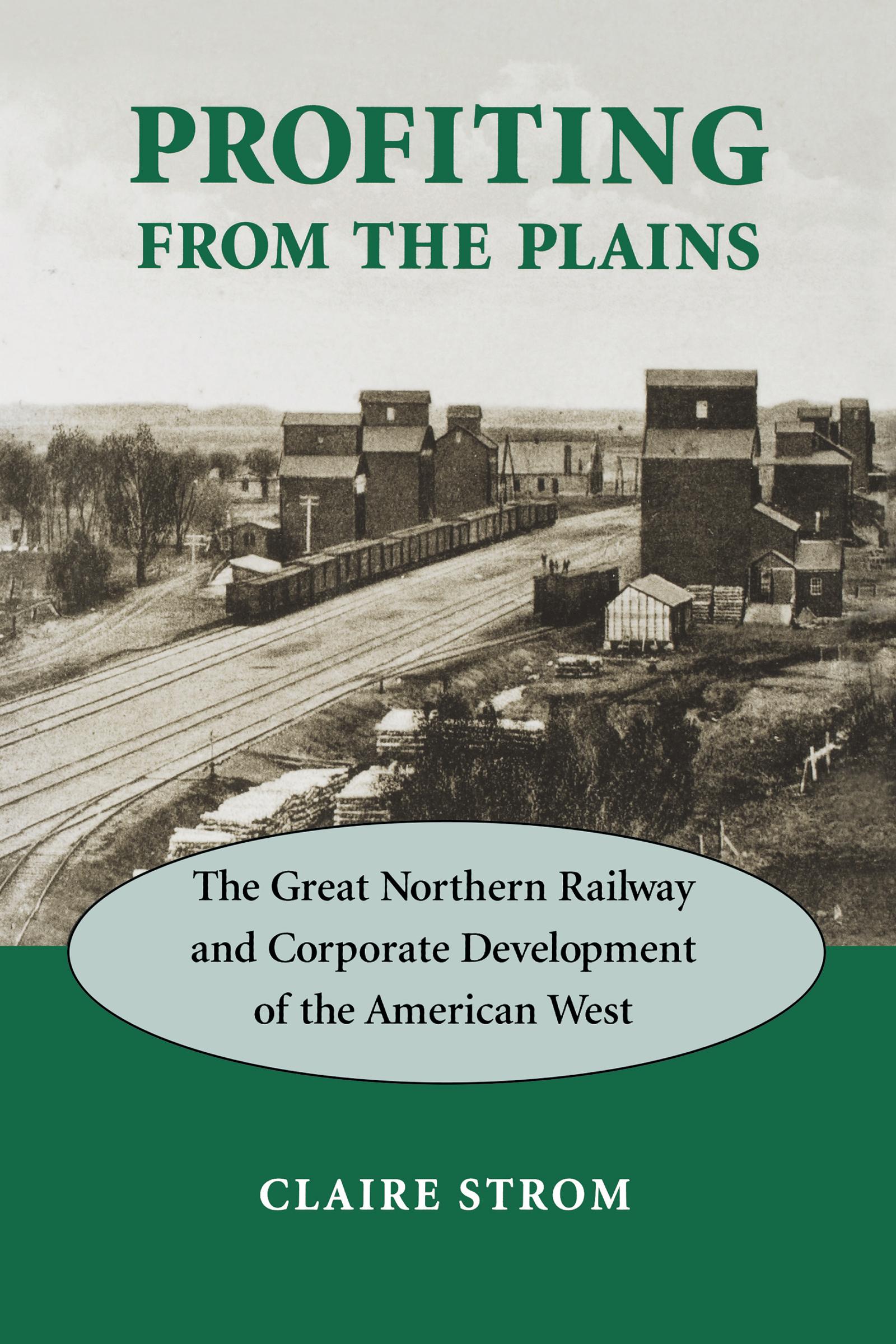
Profiting from the Plains looks at two inextricably linked historical movements in the United States: the westward expansion of the great Northern Railway and the agricultural development of the northern plains. Claire Strom explores the persistent, idiosyncratic attempts by the Great Northern to boost agricultural production along its rail routes from St. Paul to Seattle between 1878 and 1917. Lacking a federal land grant, the Great Northern could not make money through land sales like other railways. It had to rely on haulage to make a profit, and the greatest potential for increasing haulage lay in farming.
The energetic and charismatic owner of the Great Northern Railway, James J. Hill, spearheaded most of the initiatives undertaken by his corporation to boost agricultural production. He tried, often unsuccessfully, to persuade farmers of the profitability of his methods, which were largely based on his personal farming experience. When Hill’s initial efforts to increase haulage failed, he shifted his focus to working with outside agencies and institutions, often providing them with the funding to pursue projects he hoped would profit his railroad. At the time, state and federal agencies were also promoting agricultural development through irrigation, conservation, and dryland farming, but their agendas often clashed with those of the Great Northern Railway. Because Hill failed to grasp the extent to which politicians’ goals differed from those of the railroad, his use of federal expertise to promote agricultural change often backfired. But despite these obstacles, the railroad magnate ironically remained among the last defenders of the small-scale farmer modeled on Jeffersonian idealism.
This fascinating story of railroad politics and development ties into themes of corporate and federal sponsorship, which are increasingly recognized as fundamental to western history. As the first scholarly examination of James J. Hill’s agricultural enterprises, Profiting from the Plains makes an important contribution to the biography of the popular and controversial Hill, as well as to western and environmental history.
Before Memmo my notes were scattered across PDFs. Now a workspace pulls everything into one place — I see exactly what's still left to study.
Memmo's summaries are gold before exams. I don't have to re-read 800 pages two weeks before — just the important parts.
The AI chat has saved me the night before an exam more than once. I just keep asking until I get it — no waiting on a study group to reply.
The quizzes hit exactly what I need to know. Memmo tracks what I get stuck on — so I only practice what's worth it.
Flashcards with spaced repetition are magic. Memmo knows when I'm about to forget something and brings it back.
The AI podcasts are my favorite. I listen on my way to school and get a recap without sitting at a computer.

Handbok i kvalitativa metoder
281 kr

Hållbar utveckling: en introduktion för ingenjörer och andra problemlösare
334 kr

Brymans Samhällsvetenskapliga metoder
390 kr

Projektledning
491 kr

Den orättvisa hälsan: om socioekonomiska skillnader i hälsa och livslängd
326 kr

Organizational Leadership
429 kr

Vetenskapsteori för nybörjare
196 kr

På väg mot läraryrket
172 kr

Det sociala livet i skolan: Socialpsykologiska perspektiv
253 kr

Betygsättningens didaktik
151 kr

Personality
402 kr

Studying Leadership
404 kr

Managing Innovation
477 kr

Introduktion till samhällsvetenskaplig metod
347 kr

The Psychology of Sex and Gender
698 kr

Evidens och kunskap för socialt arbete
207 kr

Introduction to Leadership
605 kr