
Before Memmo my notes were scattered across PDFs. Now a workspace pulls everything into one place — I see exactly what's still left to study.
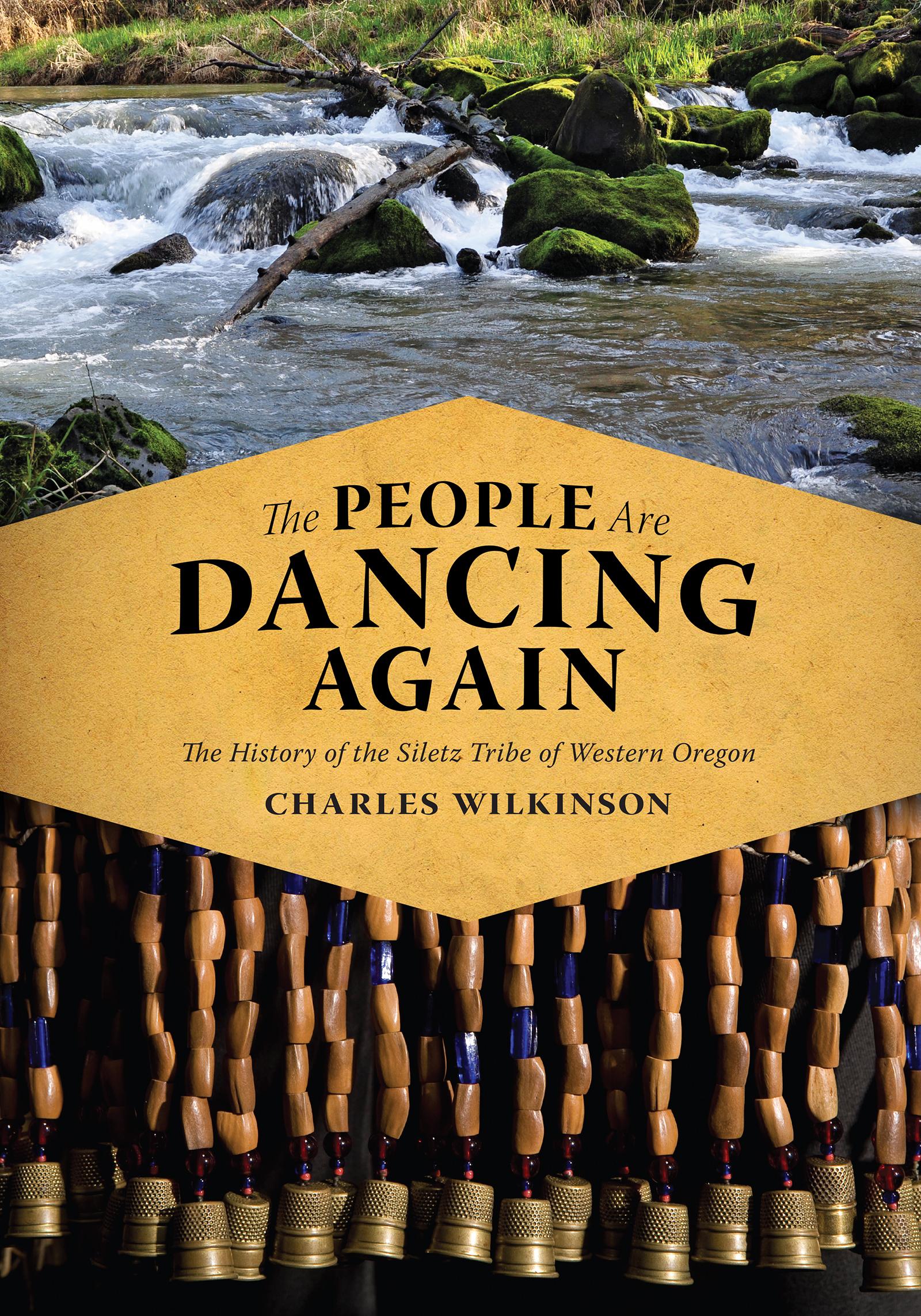
The history of the Siletz is in many ways the history of all Indian tribes in America: a story of heartache, perseverance, survival, and revival. It began in a resource-rich homeland thousands of years ago and today finds a vibrant, modern community with a deeply held commitment to tradition.
The Confederated Tribes of Siletz Indians—twenty-seven tribes speaking at least ten languages—were brought together on the Oregon Coast through treaties with the federal government in 1853–55. For decades after, the Siletz people lost many traditional customs, saw their languages almost wiped out, and experienced poverty, killing diseases, and humiliation. Again and again, the federal government took great chunks of the magnificent, timber-rich tribal homeland, a reservation of 1.1 million acres reaching a full 100 miles north to south on the Oregon Coast. By 1956, the tribe had been “terminated” under the Western Oregon Indian Termination Act, selling off the remaining land, cutting off federal health and education benefits, and denying tribal status. Poverty worsened, and the sense of cultural loss deepened.
The Siletz people refused to give in. In 1977, after years of work and appeals to Congress, they became the second tribe in the nation to have its federal status, its treaty rights, and its sovereignty restored. Hand-in-glove with this federal recognition of the tribe has come a recovery of some land--several hundred acres near Siletz and 9,000 acres of forest--and a profound cultural revival.
This remarkable account, written by one of the nation’s most respected experts in tribal law and history, is rich in Indian voices and grounded in extensive research that includes oral tradition and personal interviews. It is a book that not only provides a deep and beautifully written account of the history of the Siletz, but reaches beyond region and tribe to tell a story that will inform the way all of us think about the past.
Watch the book trailer: https://www.youtube.com/watch?v=NEtAIGxp6pc
Before Memmo my notes were scattered across PDFs. Now a workspace pulls everything into one place — I see exactly what's still left to study.
Memmo's summaries are gold before exams. I don't have to re-read 800 pages two weeks before — just the important parts.
The AI chat has saved me the night before an exam more than once. I just keep asking until I get it — no waiting on a study group to reply.
The quizzes hit exactly what I need to know. Memmo tracks what I get stuck on — so I only practice what's worth it.
Flashcards with spaced repetition are magic. Memmo knows when I'm about to forget something and brings it back.
The AI podcasts are my favorite. I listen on my way to school and get a recap without sitting at a computer.

Handbok i kvalitativa metoder
281 kr

Hållbar utveckling: en introduktion för ingenjörer och andra problemlösare
334 kr

Brymans Samhällsvetenskapliga metoder
390 kr

Projektledning
491 kr

Den orättvisa hälsan: om socioekonomiska skillnader i hälsa och livslängd
326 kr

Vetenskapsteori för nybörjare
196 kr

Organizational Leadership
429 kr

På väg mot läraryrket
172 kr

Det sociala livet i skolan: Socialpsykologiska perspektiv
253 kr

Betygsättningens didaktik
151 kr

Personality
402 kr

Studying Leadership
404 kr

Managing Innovation
477 kr

Introduktion till samhällsvetenskaplig metod
347 kr

The Psychology of Sex and Gender
698 kr

Evidens och kunskap för socialt arbete
207 kr

Introduction to Leadership
605 kr