
Before Memmo my notes were scattered across PDFs. Now a workspace pulls everything into one place — I see exactly what's still left to study.
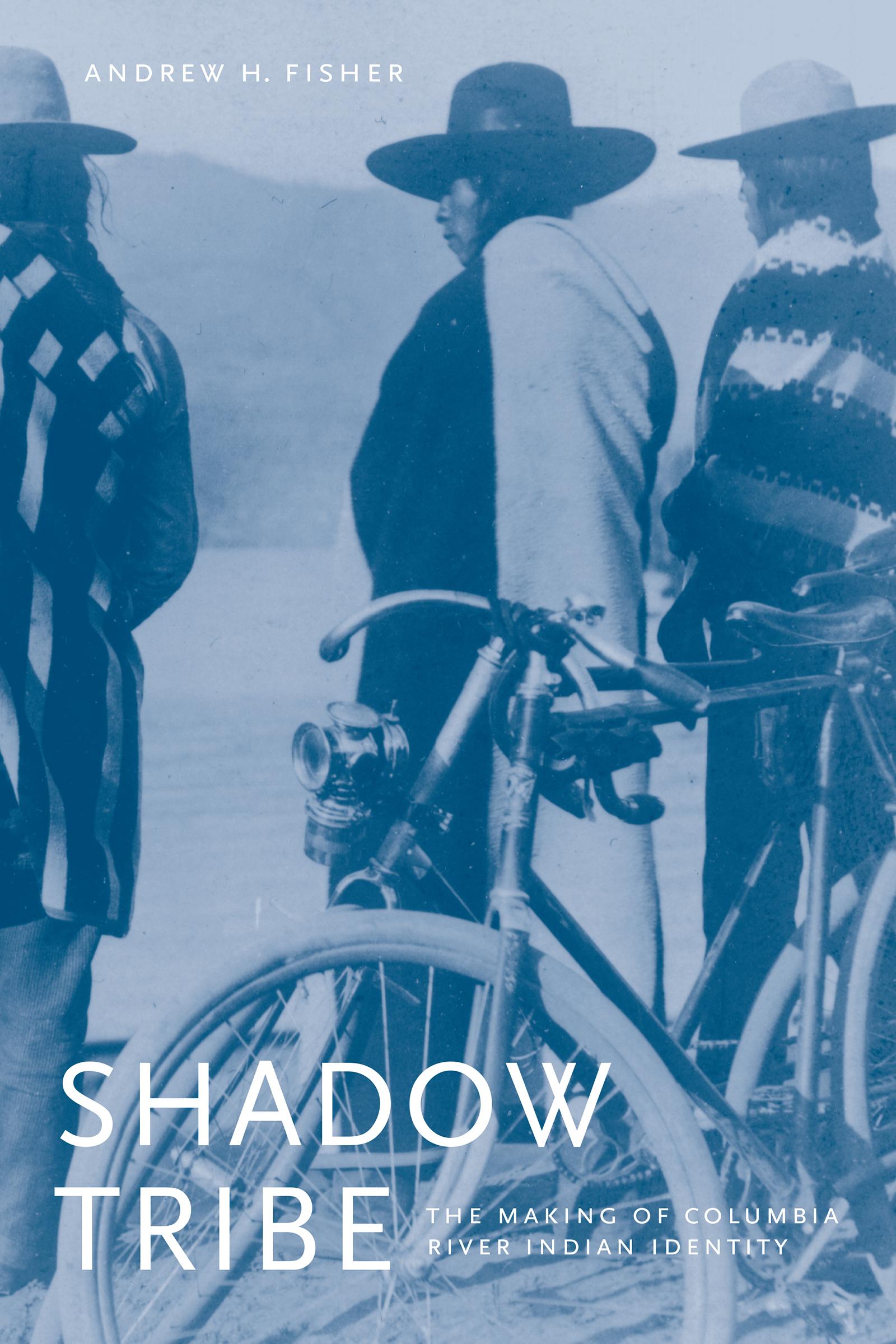
Shadow Tribe offers the first in-depth history of the Pacific Northwest’s Columbia River Indians -- the defiant River People whose ancestors refused to settle on the reservations established for them in central Oregon and Washington. Largely overlooked in traditional accounts of tribal dispossession and confinement, their story illuminates the persistence of off-reservation Native communities and the fluidity of their identities over time. Cast in the imperfect light of federal policy and dimly perceived by non-Indian eyes, the flickering presence of the Columbia River Indians has followed the treaty tribes down the difficult path marked out by the forces of American colonization.
Based on more than a decade of archival research and conversations with Native people, Andrew Fisher’s groundbreaking book traces the waxing and waning of Columbia River Indian identity from the mid-nineteenth through the late twentieth centuries. Fisher explains how, despite policies designed to destroy them, the shared experience of being off the reservation and at odds with recognized tribes forged far-flung river communities into a loose confederation called the Columbia River Tribe. Environmental changes and political pressures eroded their autonomy during the second half of the twentieth century, yet many River People continued to honor a common heritage of ancestral connection to the Columbia, resistance to the reservation system, devotion to cultural traditions, and detachment from the institutions of federal control and tribal governance. At times, their independent and uncompromising attitude has challenged the sovereignty of the recognized tribes, earning Columbia River Indians a reputation as radicals and troublemakers even among their own people.
Shadow Tribe is part of a new wave of historical scholarship that shows Native American identities to be socially constructed, layered, and contested rather than fixed, singular, and unchanging. From his vantage point on the Columbia, Fisher has written a pioneering study that uses regional history to broaden our understanding of how Indians thwarted efforts to confine and define their existence within narrow reservation boundaries.
Before Memmo my notes were scattered across PDFs. Now a workspace pulls everything into one place — I see exactly what's still left to study.
Memmo's summaries are gold before exams. I don't have to re-read 800 pages two weeks before — just the important parts.
The AI chat has saved me the night before an exam more than once. I just keep asking until I get it — no waiting on a study group to reply.
The quizzes hit exactly what I need to know. Memmo tracks what I get stuck on — so I only practice what's worth it.
Flashcards with spaced repetition are magic. Memmo knows when I'm about to forget something and brings it back.
The AI podcasts are my favorite. I listen on my way to school and get a recap without sitting at a computer.

Handbok i kvalitativa metoder
281 kr

Hållbar utveckling: en introduktion för ingenjörer och andra problemlösare
334 kr

Brymans Samhällsvetenskapliga metoder
390 kr

Projektledning
491 kr

Den orättvisa hälsan: om socioekonomiska skillnader i hälsa och livslängd
326 kr

Organizational Leadership
429 kr

Vetenskapsteori för nybörjare
196 kr

På väg mot läraryrket
172 kr

Det sociala livet i skolan: Socialpsykologiska perspektiv
253 kr

Betygsättningens didaktik
151 kr

Personality
402 kr

Studying Leadership
404 kr

Managing Innovation
477 kr

Introduktion till samhällsvetenskaplig metod
347 kr

The Psychology of Sex and Gender
698 kr

Evidens och kunskap för socialt arbete
207 kr

Introduction to Leadership
605 kr