
Before Memmo my notes were scattered across PDFs. Now a workspace pulls everything into one place — I see exactly what's still left to study.
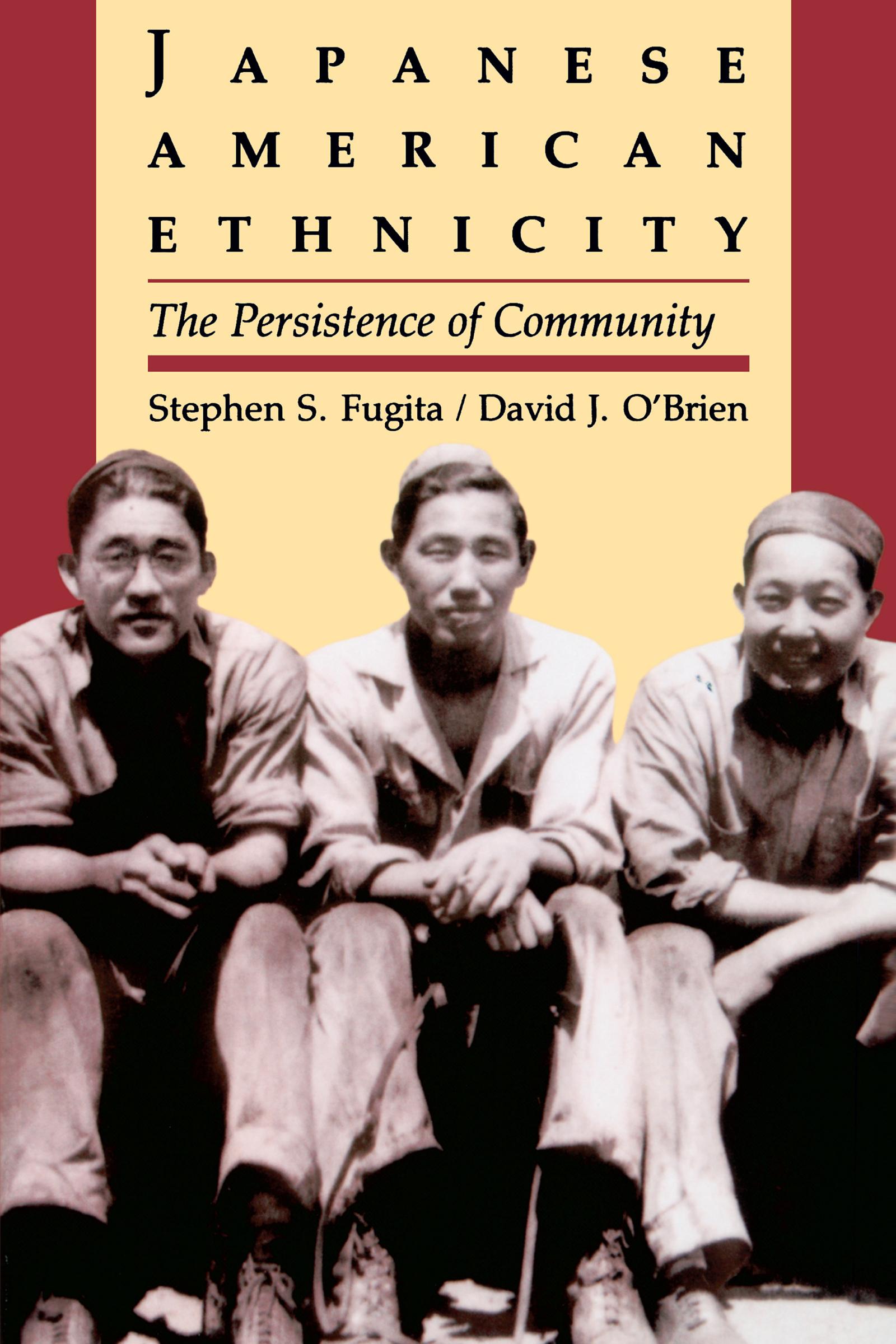
Why do some groups retain their ethnicity as they become assimilated into mainstream American life while others do not? This study employs both historical sources and contemporary survey data to explain the seeming paradox of why Japanese Americans have maintained high levels of ethnic community involvement while becoming structurally assimilated. Most traditional approaches to the study of ethnicity in the United States are based on the European immigrant experience and conclude that a zero-sum relationship exists between assimilation and retention of ethnicity: community solidarity weakens as structural assimilation grows stronger. Japanese Americans, however, like American Jews, do not fit this pattern.
The basic thesis of this book is that the maintenance of ethnic community solidarity, the process of assimilation, and the reactions of an ethnic group to outside forces must be understood in light of the internal social organization of the ethnic group, which can be traced to core cultural orientations that predate immigration. Though frequently excluded from mainstream economic opportunities, Japanese Americans were able to form quasi-kin relationships of trust, upon which enduring group economic relations could be based. The resultant ethnic economy and petit bourgeois family experience fostered the values of hard work, deferred gratification, and other perspectives conductive to success in mainstream society.
This book will be of interest to sociologist and psychologist studying ethnicity, community organization, and intergenerational change; and to anyone interested in the Japanese American experience from an economic or political perspective, Asian American studies, or social history of the United States.
Before Memmo my notes were scattered across PDFs. Now a workspace pulls everything into one place — I see exactly what's still left to study.
Memmo's summaries are gold before exams. I don't have to re-read 800 pages two weeks before — just the important parts.
The AI chat has saved me the night before an exam more than once. I just keep asking until I get it — no waiting on a study group to reply.
The quizzes hit exactly what I need to know. Memmo tracks what I get stuck on — so I only practice what's worth it.
Flashcards with spaced repetition are magic. Memmo knows when I'm about to forget something and brings it back.
The AI podcasts are my favorite. I listen on my way to school and get a recap without sitting at a computer.

Handbok i kvalitativa metoder
281 kr

Hållbar utveckling: en introduktion för ingenjörer och andra problemlösare
334 kr

Brymans Samhällsvetenskapliga metoder
390 kr

Projektledning
491 kr

Den orättvisa hälsan: om socioekonomiska skillnader i hälsa och livslängd
326 kr

Vetenskapsteori för nybörjare
196 kr

Organizational Leadership
429 kr

På väg mot läraryrket
172 kr

Det sociala livet i skolan: Socialpsykologiska perspektiv
253 kr

Betygsättningens didaktik
151 kr

Personality
402 kr

Studying Leadership
404 kr

Managing Innovation
477 kr

Introduktion till samhällsvetenskaplig metod
347 kr

The Psychology of Sex and Gender
698 kr

Evidens och kunskap för socialt arbete
207 kr

Introduction to Leadership
605 kr