
Before Memmo my notes were scattered across PDFs. Now a workspace pulls everything into one place — I see exactly what's still left to study.
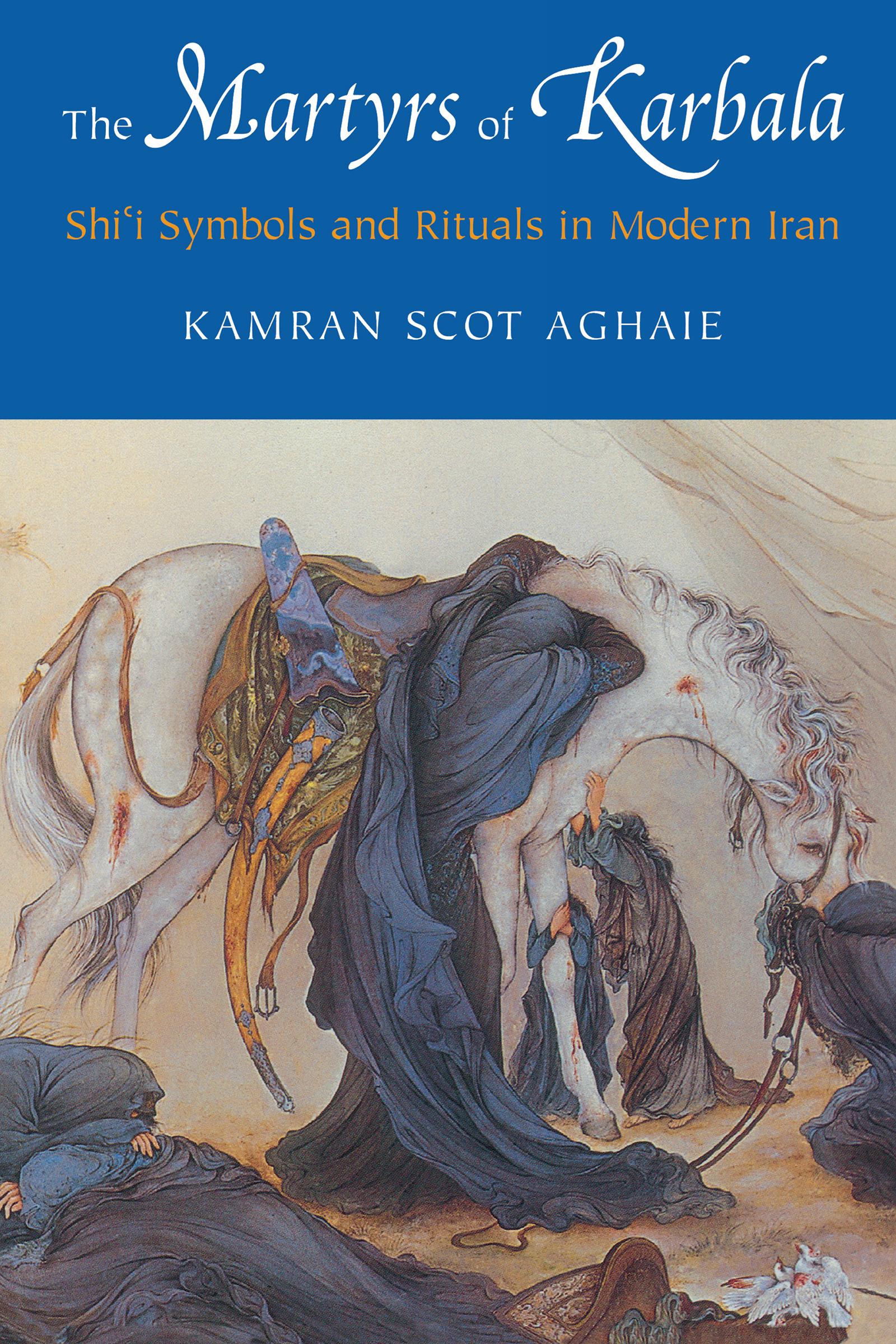
This innovative study examines patterns of change in Shi’i symbols and rituals over the past two centuries to reveal how modernization has influenced the societal, political, and religious culture of Iran. Shi’is, who support the Prophet Mohammad’s progeny as his successors in opposition to the Sunni caliphate tradition, make up 10 to 15 percent of the world’s Muslim population, roughly half of whom live in Iran. Throughout the early history of the Islamic Middle East, the Sunnis have been associated with the state and the ruling elite, while Shi’is have most often represented the political opposition and have had broad appeal among the masses. Moharram symbols and rituals commemorate the Battle of Karbala in 680 CE, in which the Prophet Mohammad’s grandson Hoseyn and most of his family and supporters were massacred by the troops of the Umayyad caliph Yazid.
Moharram symbols and rituals are among the most pervasive and popular aspects of Iranian culture and society. This book traces patterns of continuity and change of Moharran symbols and rituals in three aspects of Iranian life: the importance of these rituals in promoting social bonds, status, identities, and ideals; ways in which the three major successive regimes (Qujars, Pahlavis, and the Islamic Republic), have either used these rituals to promote their legitimacy, or have suppressed them because they viewed them as a potential political threat; and the uses of Moharram symbolism by opposition groups interested in overthrowing the regime.
While the patterns of government patronage have been radically discontinuous over the past two centuries, the roles of these rituals in popular society and culture have been relatively continuous or have evolved independently of the state. The political uses of modern-day rituals and the enduring symbolism of the Karbala narratives continue today.
Before Memmo my notes were scattered across PDFs. Now a workspace pulls everything into one place — I see exactly what's still left to study.
Memmo's summaries are gold before exams. I don't have to re-read 800 pages two weeks before — just the important parts.
The AI chat has saved me the night before an exam more than once. I just keep asking until I get it — no waiting on a study group to reply.
The quizzes hit exactly what I need to know. Memmo tracks what I get stuck on — so I only practice what's worth it.
Flashcards with spaced repetition are magic. Memmo knows when I'm about to forget something and brings it back.
The AI podcasts are my favorite. I listen on my way to school and get a recap without sitting at a computer.

Handbok i kvalitativa metoder
281 kr

Hållbar utveckling: en introduktion för ingenjörer och andra problemlösare
334 kr

Brymans Samhällsvetenskapliga metoder
390 kr

Projektledning
491 kr

Den orättvisa hälsan: om socioekonomiska skillnader i hälsa och livslängd
326 kr

Vetenskapsteori för nybörjare
196 kr

Organizational Leadership
429 kr

På väg mot läraryrket
172 kr

Det sociala livet i skolan: Socialpsykologiska perspektiv
253 kr

Betygsättningens didaktik
151 kr

Personality
402 kr

Studying Leadership
404 kr

Managing Innovation
477 kr

Introduktion till samhällsvetenskaplig metod
347 kr

The Psychology of Sex and Gender
698 kr

Evidens och kunskap för socialt arbete
207 kr

Introduction to Leadership
605 kr