
Before Memmo my notes were scattered across PDFs. Now a workspace pulls everything into one place — I see exactly what's still left to study.
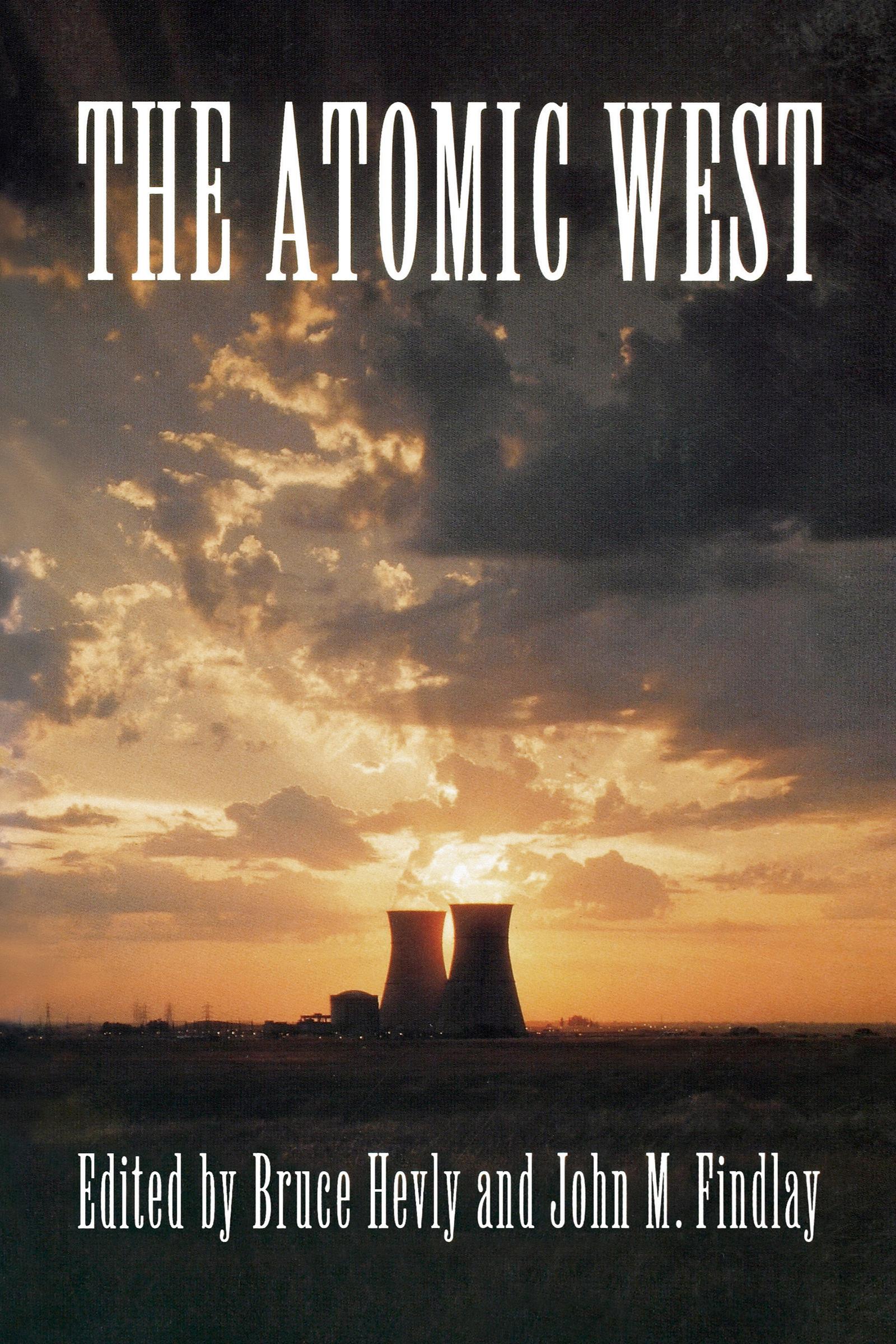
The Manhattan Project—the World War II race to produce an atomic bomb—transformed the entire country in myriad ways, but it did not affect each region equally. Acting on an enduring perception of the American West as an “empty” place, the U.S. government located a disproportionate number of nuclear facilities—particularly the ones most likely to spread pollution—in western states. The Manhattan Project manufactured plutonium at Hanford, Washington; designed and assembled bombs at Los Alamos, New Mexico; and detonated the world’s first atomic bomb at Alamagordo, New Mexico, on June 16, 1945.
In the years that followed the war, the U.S. Atomic Energy Commission selected additional western sites for its work. Many westerners initially welcomed the atom. Like federal officials, they, too, regarded their region as “empty,” or underdeveloped. Facilities to make, test, and base atomic weapons, sites to store nuclear waste, and even nuclear power plants were regarded as assets. By the 1960s and 1970s, however, regional attitudes began to change. At a variety of locales, ranging from Eskimo Alaska to Mormon Utah, westerners devoted themselves to resisting the atom and its effects on their environments and communities. Just as the atomic age had dawned in the American West, so its artificial sun began to set there.
The Atomic West brings together contributions from several disciplines to explore the impact on the West of the development of atomic power from wartime secrecy and initial postwar enthusiasm to public doubts and protest in the 1970s and 1980s. An impressive example of the benefits of interdisciplinary studies on complex topics, The Atomic West advances our understanding of both regional history and the history of science, and does so with human communities as a significant focal point. The book will be of special interest to students and experts on the American West, environmental history, and the history of science and technology.
Before Memmo my notes were scattered across PDFs. Now a workspace pulls everything into one place — I see exactly what's still left to study.
Memmo's summaries are gold before exams. I don't have to re-read 800 pages two weeks before — just the important parts.
The AI chat has saved me the night before an exam more than once. I just keep asking until I get it — no waiting on a study group to reply.
The quizzes hit exactly what I need to know. Memmo tracks what I get stuck on — so I only practice what's worth it.
Flashcards with spaced repetition are magic. Memmo knows when I'm about to forget something and brings it back.
The AI podcasts are my favorite. I listen on my way to school and get a recap without sitting at a computer.

Handbok i kvalitativa metoder
281 kr

Hållbar utveckling: en introduktion för ingenjörer och andra problemlösare
334 kr

Brymans Samhällsvetenskapliga metoder
390 kr

Projektledning
491 kr

Den orättvisa hälsan: om socioekonomiska skillnader i hälsa och livslängd
326 kr

Organizational Leadership
429 kr

Vetenskapsteori för nybörjare
196 kr

På väg mot läraryrket
172 kr

Det sociala livet i skolan: Socialpsykologiska perspektiv
253 kr

Betygsättningens didaktik
151 kr

Personality
402 kr

Studying Leadership
404 kr

Managing Innovation
477 kr

Introduktion till samhällsvetenskaplig metod
347 kr

The Psychology of Sex and Gender
698 kr

Evidens och kunskap för socialt arbete
207 kr

Introduction to Leadership
605 kr