
Before Memmo my notes were scattered across PDFs. Now a workspace pulls everything into one place — I see exactly what's still left to study.
How sugarcane monoculture decimated an island's water supply and people
Open access edition: DOI 10.6069/9780295748733
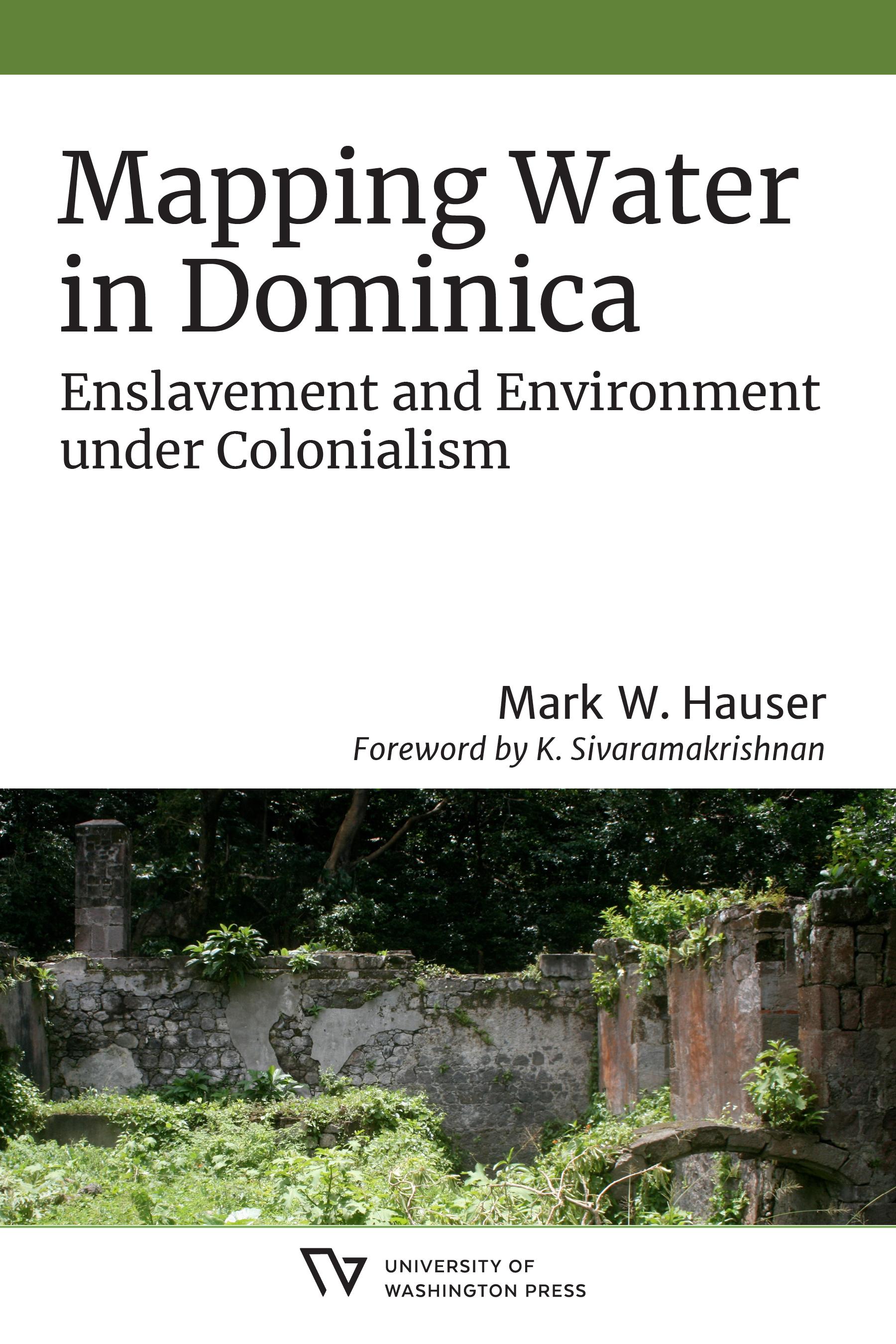
Dominica, a place once described as “Nature’s Island,” was rich in biodiversity and seemingly abundant water, but in the eighteenth century a brief, failed attempt by colonial administrators to replace cultivation of varied plant species with sugarcane caused widespread ecological and social disruption. Illustrating how deeply intertwined plantation slavery was with the environmental devastation it caused, Mapping Water in Dominica situates the social lives of eighteenth-century enslaved laborers in the natural history of two Dominican enclaves.
Mark Hauser draws on archaeological and archival history from Dominica to reconstruct the changing ways that enslaved people interacted with water and exposes crucial pieces of Dominica’s colonial history that have been omitted from official documents. The archaeological record—which preserves traces of slave households, waterways, boiling houses, mills, and vessels for storing water—reveals changes in political authority and in how social relations were mediated through the environment. Plantation monoculture, which depended on both slavery and an abundant supply of water, worked through the environment to create predicaments around scarcity, mobility, and belonging whose resolution was a matter of life and death. In following the vestiges of these struggles, this investigation documents a valuable example of an environmental challenge centered around insufficient water.
Mapping Water in Dominica is available in an open access edition through the Sustainable History Monograph Pilot, thanks to the generous support of the Andrew W. Mellon Foundation and Northwestern University Libraries.
Before Memmo my notes were scattered across PDFs. Now a workspace pulls everything into one place — I see exactly what's still left to study.
Memmo's summaries are gold before exams. I don't have to re-read 800 pages two weeks before — just the important parts.
The AI chat has saved me the night before an exam more than once. I just keep asking until I get it — no waiting on a study group to reply.
The quizzes hit exactly what I need to know. Memmo tracks what I get stuck on — so I only practice what's worth it.
Flashcards with spaced repetition are magic. Memmo knows when I'm about to forget something and brings it back.
The AI podcasts are my favorite. I listen on my way to school and get a recap without sitting at a computer.

Handbok i kvalitativa metoder
281 kr

Hållbar utveckling: en introduktion för ingenjörer och andra problemlösare
334 kr

Brymans Samhällsvetenskapliga metoder
390 kr

Projektledning
491 kr

Den orättvisa hälsan: om socioekonomiska skillnader i hälsa och livslängd
326 kr

Vetenskapsteori för nybörjare
196 kr

Organizational Leadership
429 kr

På väg mot läraryrket
172 kr

Det sociala livet i skolan: Socialpsykologiska perspektiv
253 kr

Betygsättningens didaktik
151 kr

Personality
402 kr

Studying Leadership
404 kr

Managing Innovation
477 kr

Introduktion till samhällsvetenskaplig metod
347 kr

The Psychology of Sex and Gender
698 kr

Evidens och kunskap för socialt arbete
207 kr

Introduction to Leadership
605 kr