
Before Memmo my notes were scattered across PDFs. Now a workspace pulls everything into one place — I see exactly what's still left to study.
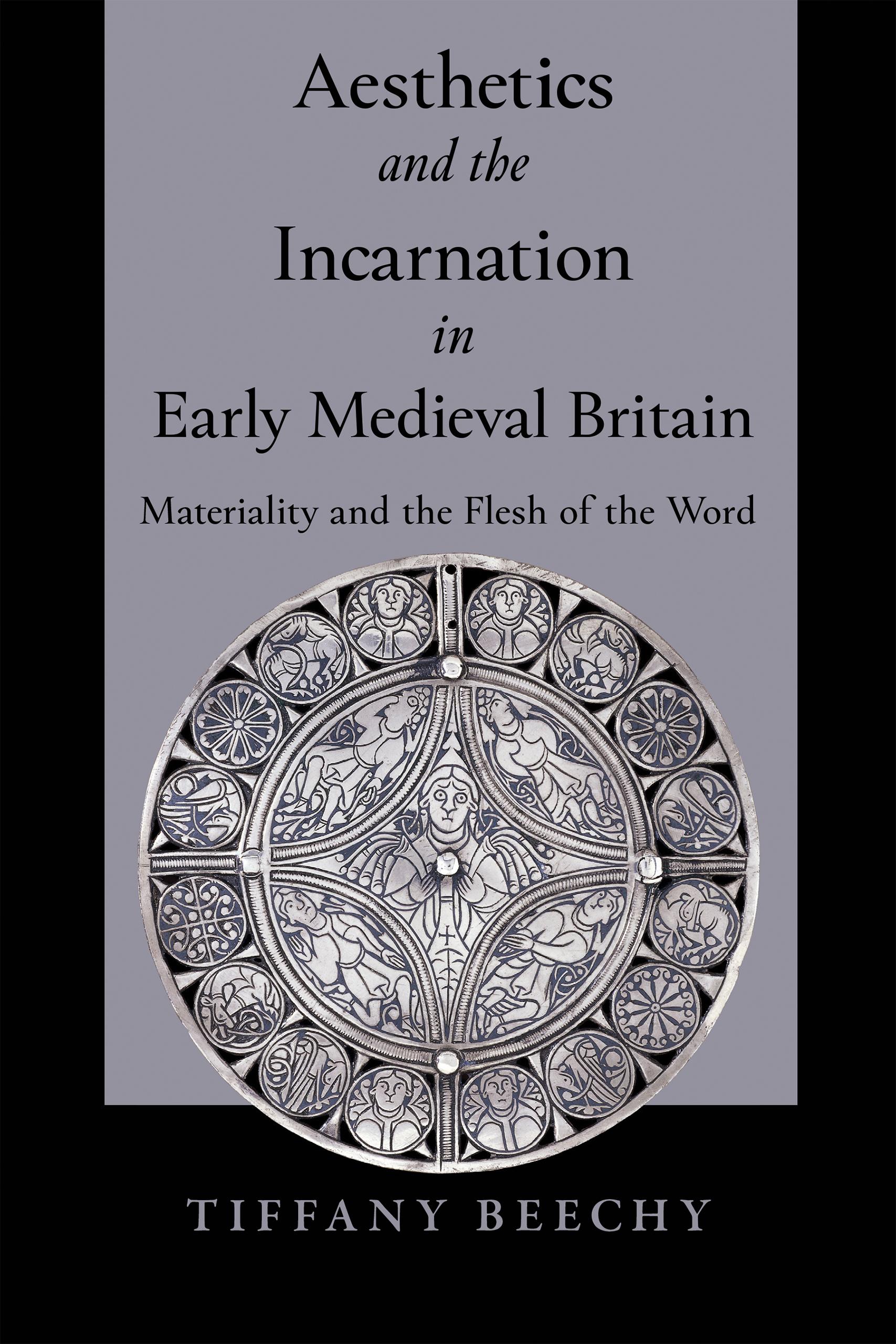
This rich study takes Insular art on its own terms, revealing a distinctive and unorthodox theology that will inevitably change how scholars view the long arc of English piety and the English literary tradition.
Drawing on a wide range of critical methodologies, Aesthetics and the Incarnation in Early Medieval Britain treats this era as a “contact zone” of cultural clash and exchange, where Christianity encountered a rich amalgam of practices and attitudes, particularly regarding the sensible realm. Tiffany Beechy illustrates how local cultures, including the Irish learned tradition, received the “Word that was made flesh,” the central figure of Christian doctrine, in distinctive ways: the Word, for example, was verbal, related to words and signs, and was not at all ineffable. Likewise, the Word was often poetic—an enigma—and its powerful presence was not only hinted at (as St. Augustine would have it) but manifest in the mouth or on the page. Beechy examines how these Insular traditions received and expressed a distinctly iterable Incarnation. Often disavowed and condemned by orthodox authorities, this was in large part an implicit theology, expressed or embodied in form (such as art, compilation, or metaphor) rather than in treatises. Beechy demonstrates how these forms drew on various authorities especially important to Britain—Bede, Gregory the Great, and Isidore most prominent among them.
Beechy’s study provides a prehistory in the English literary tradition for the better-known experimental poetics of Middle English devotion. The book is unusual in the diversity of its primary material, which includes visual art, including the Book of Kells; obscure and often cursorily treated texts such as Adamnán’s De locis sanctis (“On the holy lands”); and the difficult esoterica of the wisdom tradition.
Before Memmo my notes were scattered across PDFs. Now a workspace pulls everything into one place — I see exactly what's still left to study.
Memmo's summaries are gold before exams. I don't have to re-read 800 pages two weeks before — just the important parts.
The AI chat has saved me the night before an exam more than once. I just keep asking until I get it — no waiting on a study group to reply.
The quizzes hit exactly what I need to know. Memmo tracks what I get stuck on — so I only practice what's worth it.
Flashcards with spaced repetition are magic. Memmo knows when I'm about to forget something and brings it back.
The AI podcasts are my favorite. I listen on my way to school and get a recap without sitting at a computer.

Handbok i kvalitativa metoder
281 kr

Hållbar utveckling: en introduktion för ingenjörer och andra problemlösare
334 kr

Brymans Samhällsvetenskapliga metoder
390 kr

Projektledning
491 kr

Den orättvisa hälsan: om socioekonomiska skillnader i hälsa och livslängd
326 kr

Vetenskapsteori för nybörjare
196 kr

Organizational Leadership
429 kr

På väg mot läraryrket
172 kr

Det sociala livet i skolan: Socialpsykologiska perspektiv
253 kr

Betygsättningens didaktik
151 kr

Personality
402 kr

Studying Leadership
404 kr

Managing Innovation
477 kr

Introduktion till samhällsvetenskaplig metod
347 kr

The Psychology of Sex and Gender
698 kr

Evidens och kunskap för socialt arbete
207 kr

Introduction to Leadership
605 kr