
Before Memmo my notes were scattered across PDFs. Now a workspace pulls everything into one place — I see exactly what's still left to study.
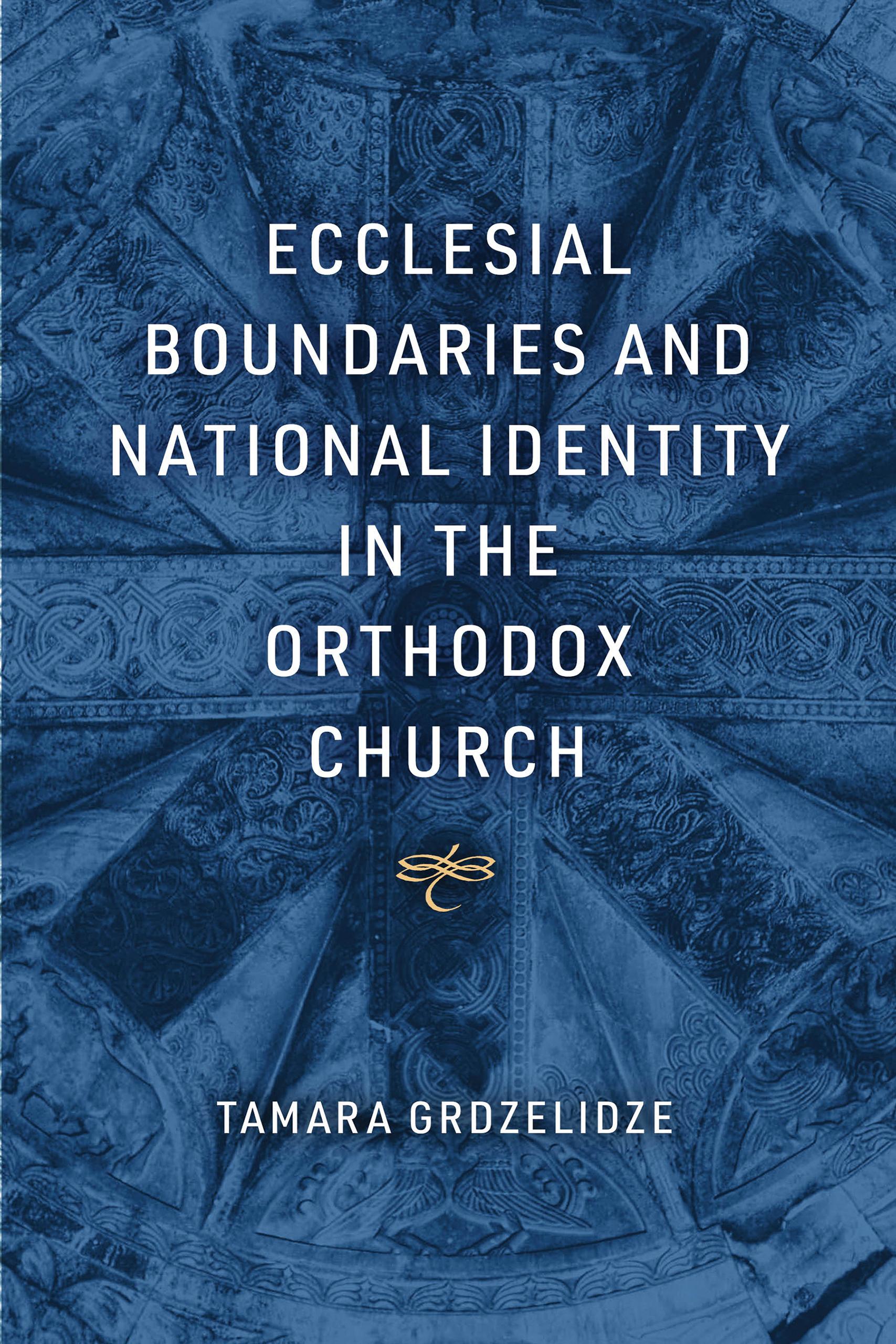
Grdzelidze’s study evaluates the present state of ecclesiology in the Orthodox Church, focusing on the history of autocephaly and its relationship with the rise of religious nationalism.
To date, the Orthodox Church has not sufficiently addressed the pressing problem of religious nationalism. Tamara Grdzelidze’s Ecclesial Boundaries and National Identity in the Orthodox Church fills this lacuna, offering a solution to the ecclesiological problems posed by the rise of group-related sentiment in Orthodox communities.
Grdzelidze’s monograph begins with an examination of the history of autocephaly and synodality in the Orthodox Church. As she explains, the political autonomy of local churches in the Eastern Roman Empire, which was later transformed into autocephaly, instinctively carried the kernel of group-related sentiments, whether national or ethnic. Over time, such sentiments have given rise to religious nationalism, which has further resulted in the inability of autocephalous churches to disengage from their national political involvements. Consequently, Orthodox Churches are unable to conduct a conversation on the hermeneutics of authority.
After sketching this historical background, Grdzelidze offers a solution to this ecclesiological problem, proposing a eucharistic hermeneutics by which the concepts of autocephaly and synodality might be preserved from misappropriation by religious nationalists. This proposal is centered on the principle that the Church represents the Body of Christ and thus embraces the whole people of God and the whole of God’s creation through the sacramental life. Ultimately, this eucharistic mode of visioning the Church furnishes a solution to the crisis of borders and boundaries in the Orthodox Church.
Before Memmo my notes were scattered across PDFs. Now a workspace pulls everything into one place — I see exactly what's still left to study.
Memmo's summaries are gold before exams. I don't have to re-read 800 pages two weeks before — just the important parts.
The AI chat has saved me the night before an exam more than once. I just keep asking until I get it — no waiting on a study group to reply.
The quizzes hit exactly what I need to know. Memmo tracks what I get stuck on — so I only practice what's worth it.
Flashcards with spaced repetition are magic. Memmo knows when I'm about to forget something and brings it back.
The AI podcasts are my favorite. I listen on my way to school and get a recap without sitting at a computer.

Handbok i kvalitativa metoder
281 kr

Hållbar utveckling: en introduktion för ingenjörer och andra problemlösare
334 kr

Brymans Samhällsvetenskapliga metoder
390 kr

Projektledning
491 kr

Den orättvisa hälsan: om socioekonomiska skillnader i hälsa och livslängd
326 kr

Vetenskapsteori för nybörjare
196 kr

Organizational Leadership
429 kr

På väg mot läraryrket
172 kr

Det sociala livet i skolan: Socialpsykologiska perspektiv
253 kr

Betygsättningens didaktik
151 kr

Personality
402 kr

Studying Leadership
404 kr

Managing Innovation
477 kr

Introduktion till samhällsvetenskaplig metod
347 kr

The Psychology of Sex and Gender
698 kr

Evidens och kunskap för socialt arbete
207 kr

Introduction to Leadership
605 kr